When was the wristwatch invented?
An early one was made for the Queen of Naples in the 1810s. Men adopted them only with the wars of the 20th century.
When you want to know the time, you glance at your wrist. Even in the age of the smartphone, the wristwatch is an everyday object. But the habit of strapping a watch to the wrist is surprisingly recent. Gentlemen of the 19th century kept their watches in a waistcoat pocket, attached by a chain.
So for whom was the first wristwatch made? The answer leads to Napoleon’s sister.
The first wristwatch was made for a queen
The idea of wearing a timepiece on the arm is old. There is a record that in 1571, Queen Elizabeth I of England received a watch to be worn on the arm from her favorite, Robert Dudley. But the timepiece most often named as the “first” watch designed from scratch to be worn on the wrist came more than two hundred years later.
In June 1810, Caroline Murat, Queen of Naples, ordered a watch from the Paris watchmaker Abraham-Louis Breguet. What Napoleon’s sister asked for was a thin, oblong watch with a mechanism that chimed the time and a thermometer, worn on the wrist on a band woven from hair and gold thread. Known in Breguet’s records as No. 2639, the watch took more than two years to complete and was delivered in December 1812.
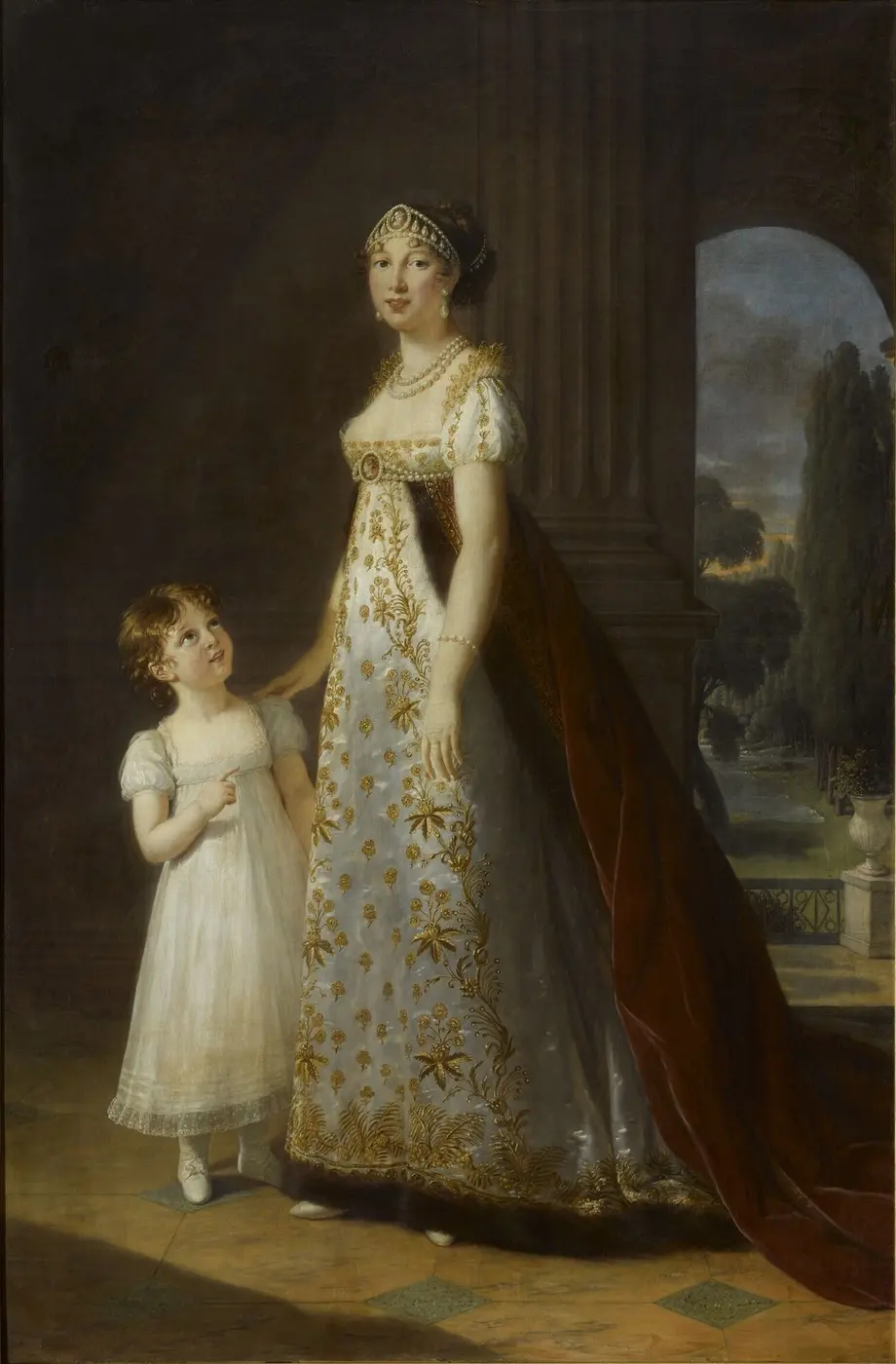

Sadly, the watch itself has been lost. Because Breguet’s records survive, though, it is still remembered as the starting point of the wristwatch’s history.
For nearly a century, wristwatches were for women
For a long time afterward, the wristwatch remained a piece of women’s jewelry. In 1868, the Swiss firm Patek Philippe made a wristwatch for a Hungarian countess, which is regarded as the first Swiss wristwatch. Jeweled, bracelet-like watches were popular with upper-class women, but men stuck to pocket watches. Wearing a watch on the wrist was considered feminine.
The lack of pockets in women’s clothing is thought to be one reason wristwatches appealed to women.
War and flight changed everything
The shift came from people who needed to coordinate time precisely. In the late 19th century, British officers fighting colonial campaigns began strapping pocket watches to their wrists with leather bands. When troop movements had to be synchronized, fishing a watch out of a pocket every time was simply too slow.
In the air, someone else had the same problem: the Brazilian aviator Alberto Santos-Dumont. Flying his airships, he wanted to check the time without taking his hands off the controls. To help his friend, the Paris jeweler Louis Cartier is said to have made him a wristwatch around 1904. The watch was later put on sale in 1911 under the name “Santos” and became a pioneer of men’s wristwatches.
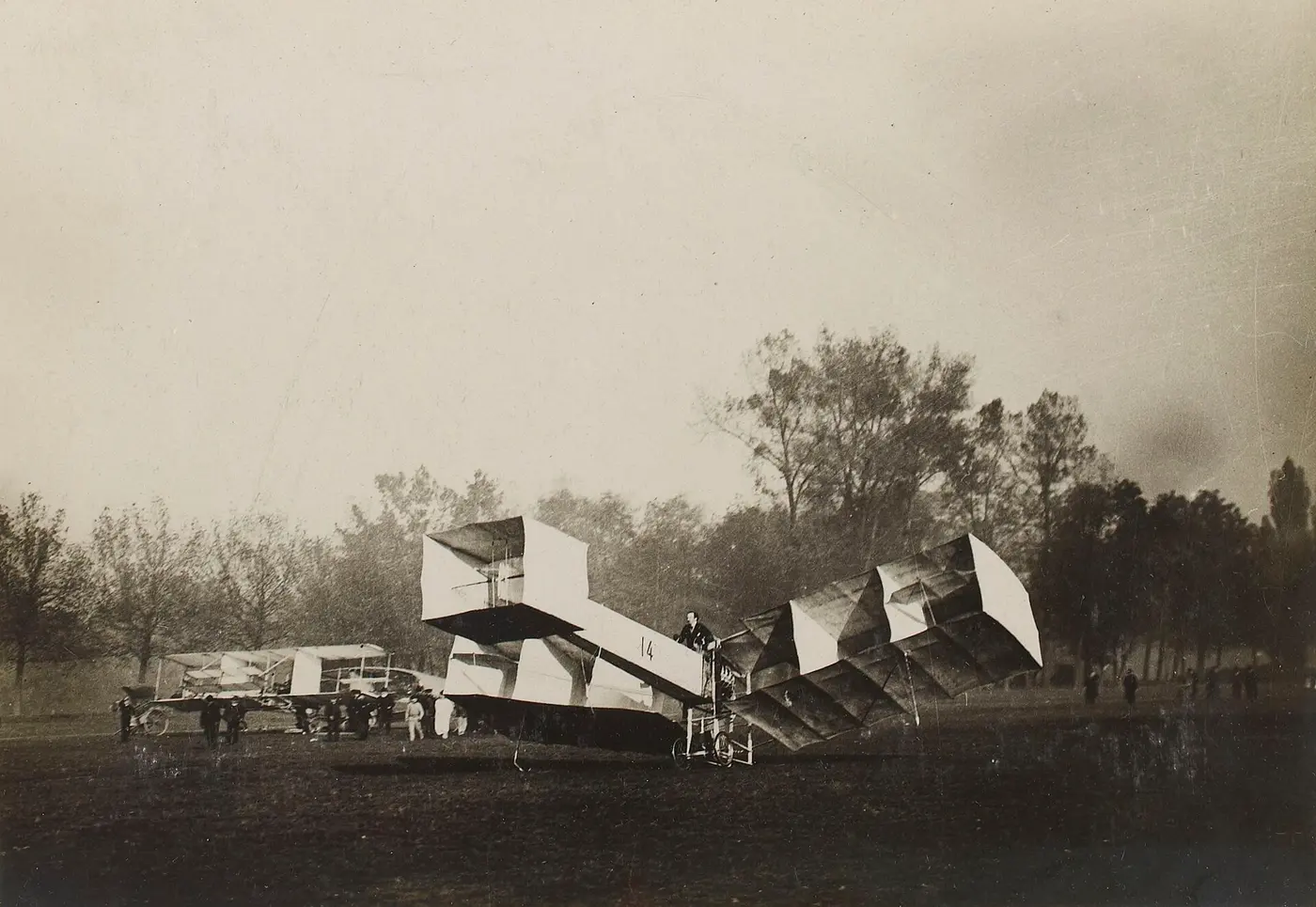

The decisive blow came with the First World War, which began in 1914. Trench warfare demanded precise timing between artillery barrages and advancing infantry. Military wristwatches were made with luminous dials that could be read in the dark and with shatter-resistant glass, and from 1917 the British War Office began issuing wristwatches to soldiers. That same year, a British watch trade journal observed that the wristwatch, little used by men before the war, was now seen on the wrist of nearly every man in uniform.
Men coming home from the war kept wearing their wristwatches in everyday life. By 1930, Switzerland was exporting as many wristwatches as pocket watches, and by 1934, nearly twice as many.