Was the QR code invented in Japan?
Yes. It was developed in 1994 by a division of the auto-parts maker Denso, now the company Denso Wave.
1994
Pulling up the menu at a restaurant table, showing your concert ticket at the door, paying at a shop: all it takes is holding up your smartphone. The QR code, that small square of black and white, has become part of everyday life around the world.
It turns up in so many places that some people may assume one of the tech giants created it. In fact, it was born in the world of Japanese auto-parts factories.
Born on the factory floor
The QR code was developed by a division of Denso (then called Nippondenso), a Toyota Group auto-parts maker headquartered in Aichi Prefecture. That division is now a company of its own, Denso Wave.
In the early 1990s, car factories used barcodes to keep track of parts. But a barcode could hold only about 20 letters and numbers at most. As the information to be managed grew, workers had to stick several barcodes on a single box and scan them over and over. What the factory floor wanted was a code that could hold much more information and be read much faster. To answer that call, a small team including engineer Masahiro Hara set out to develop a new kind of code.
Inspired by a Go board
The idea of a “two-dimensional code,” packing information both horizontally and vertically, already existed. The hard part was making it readable quickly and reliably from any angle.
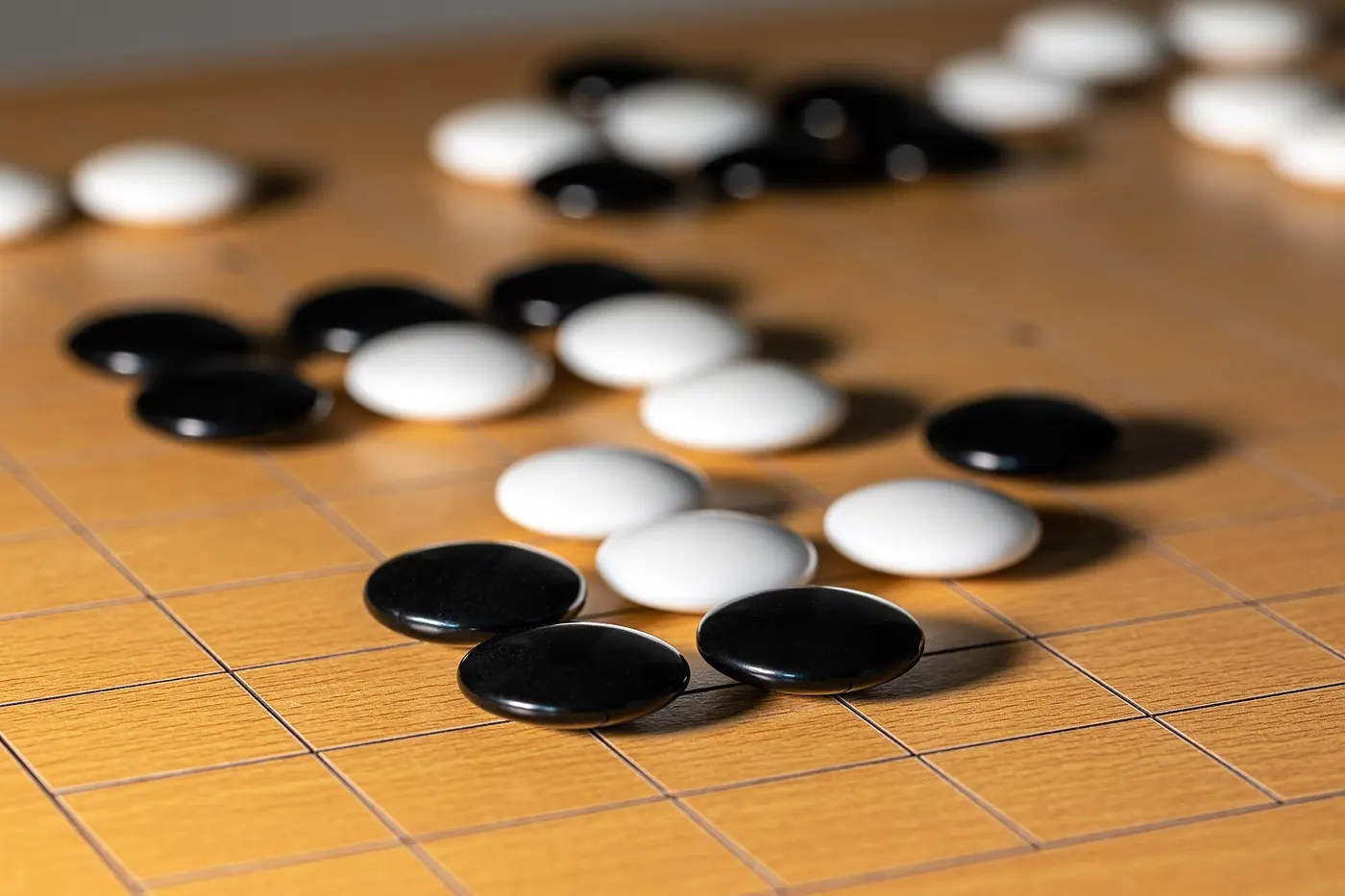
Hara reportedly found inspiration in the game of Go, which he played during lunch breaks. The black and white stones lined up on the board resembled what a code with information arranged in a grid of squares might look like.

Another clever touch is the square, target-like pattern in three of the code’s corners, a square within a square. Draw a line straight across one of these patterns, and the black, white, black, white and black bands come out in a ratio of 1:1:3:1:1. The team collected huge numbers of fliers, magazines and other printed matter and confirmed that a pattern with this ratio almost never shows up in text or images. So a scanner can use these markers to find the code’s position and orientation in an instant. The “QR” in the name stands for “Quick Response.”
More than 7,000 digits
A surprising amount of information fits inside that little square: up to 7,089 digits if it is numbers alone, or 1,817 characters of Japanese kanji and kana. Compared with a barcode, that is a capacity in a different league altogether.
The code also has a built-in way of restoring data, so it can still be read when it is dirty or partly missing. At the strongest setting, the original information is said to be recoverable even if about 30 percent of the code is unreadable. It was a feature only a factory-born invention would have, designed with oily, grimy shop floors in mind.
The decision to “open” the patent
One reason often given for the QR code’s worldwide spread is how its patent was handled. Denso Wave obtained a patent on the QR code but declared that it would not exercise its rights over QR codes that follow the standard. By making the code free for anyone to use, it put adoption first. The name “QR Code” itself, on the other hand, is a registered trademark of Denso Wave.
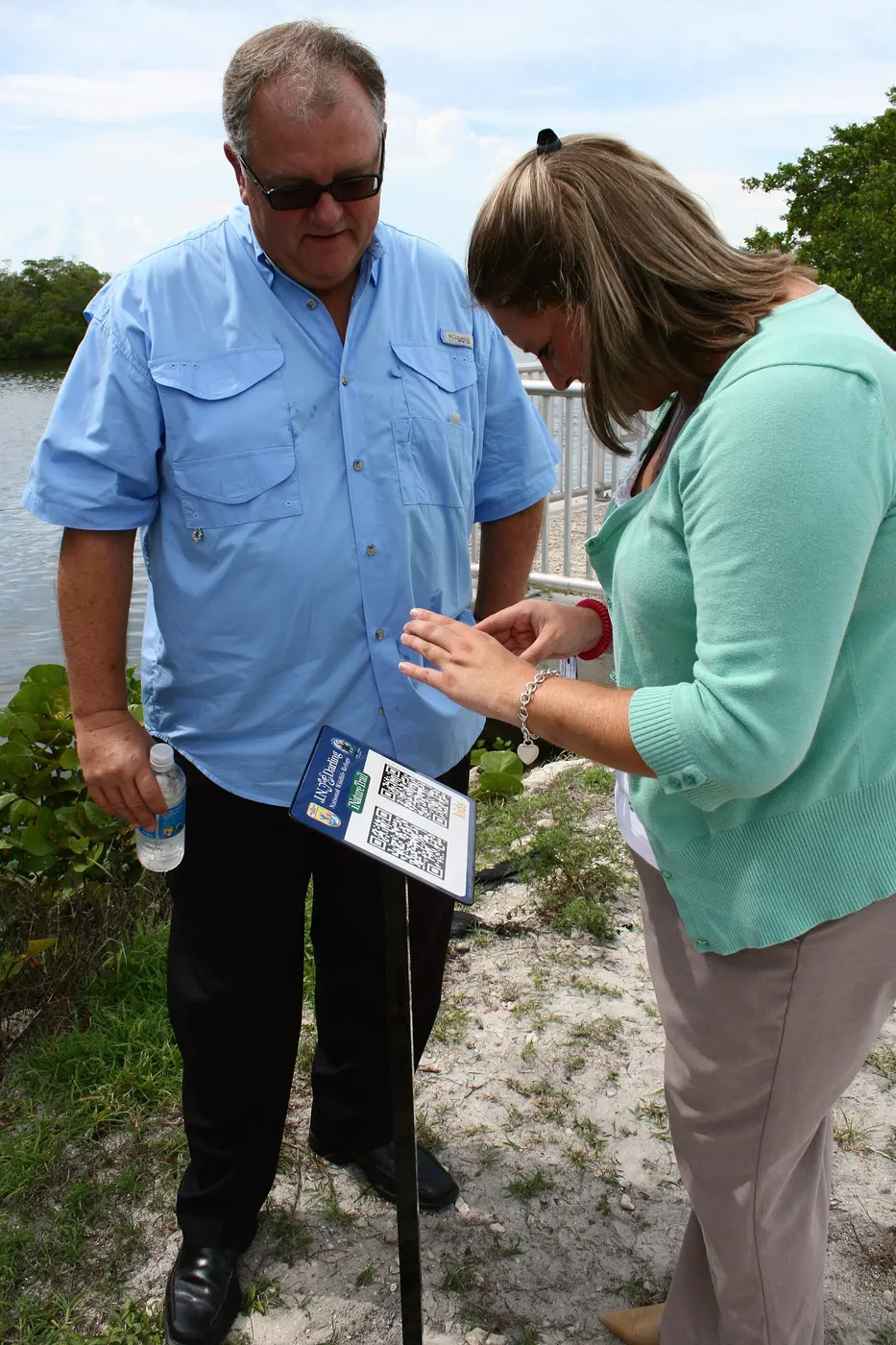

In 2000 the QR code became an international (ISO) standard, and in 2002 mobile phones that could read it appeared in Japan. Once camera phones could double as scanners, the QR code leapt out of the factory and found new roles in advertising, on business cards and on tickets. And as smartphones spread, it came to be used for payments and all sorts of other transactions.