Is the curse of Tutankhamun real?
There’s no evidence for it. Most of the excavators lived long lives, and Carter himself lived more than 16 years after opening the tomb.
In November 1922, a pharaoh’s tomb was found almost untouched in Egypt’s Valley of the Kings. It belonged to the boy king Tutankhamun. As the golden mask and one dazzling grave good after another came to light, the whole world went wild.
But a sinister story has clung to this great discovery ever since. “Death comes to those who disturb the king’s sleep.” The people who broke into the tomb, it is said, were struck down one by one by the pharaoh’s curse. The legend is still told today. Was there ever anything to it?
A death five months after the discovery
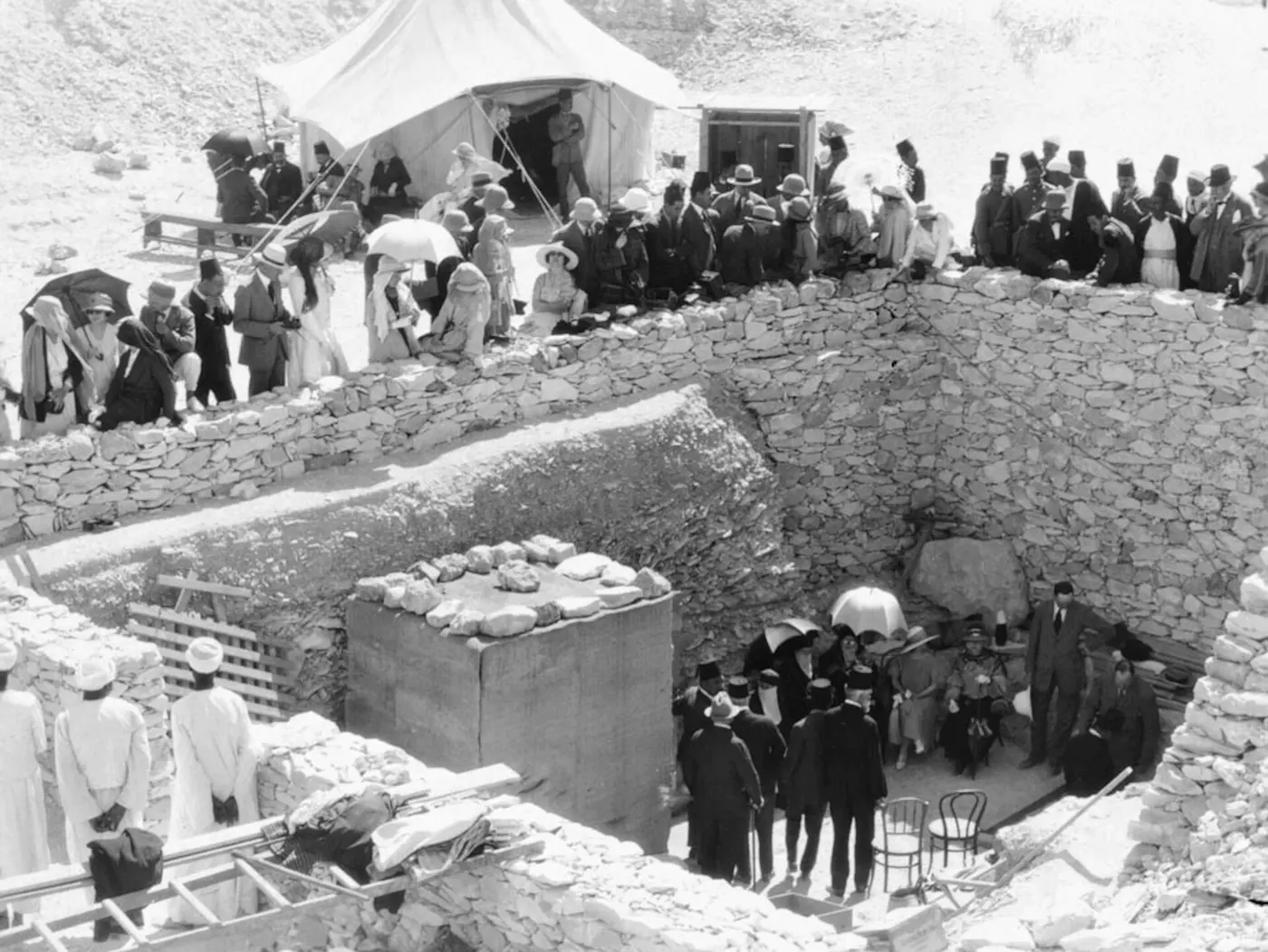
The dig was led by the British archaeologist Howard Carter and paid for by a British aristocrat, Lord Carnarvon. Carnarvon had backed Carter’s work since 1907, and at last it led to a spectacular find. On November 26, 1922, as Carter peered into the tomb by candlelight, someone asked whether he could see anything. “Yes, wonderful things,” he is said to have replied. On February 16, 1923, the burial chamber that held the king’s coffins was officially opened.
Soon afterward, Carnarvon fell ill. In March he nicked a mosquito bite with his razor while shaving, and an infection set in. It progressed to blood poisoning and then pneumonia, and on April 5, 1923, he died in a Cairo hotel. He was 56.
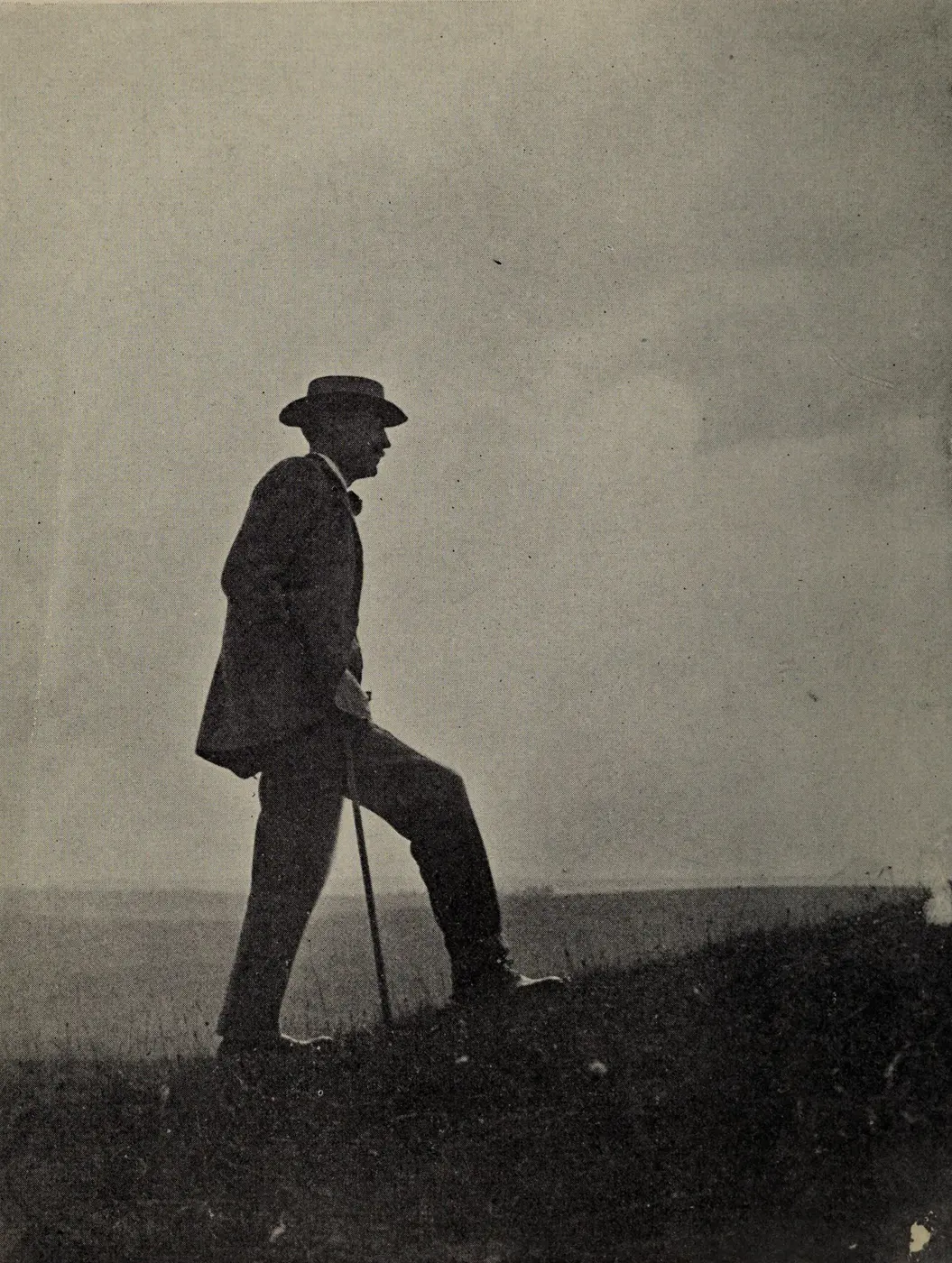

Through the eyes of modern medicine, this was a death from infection in an age before antibiotics. Yet coming just months after the tomb was opened, it was more than enough to fire people’s imaginations.
The newspapers spread the curse
In fact, rumors of a curse had started to circulate a little earlier. About two weeks before Carnarvon died, the popular British novelist Marie Corelli wrote a letter to an American publication warning, in effect, that dire punishment would follow anyone who entered the tomb. Carnarvon’s death sent the story around the world in an instant. Even Arthur Conan Doyle, the creator of Sherlock Holmes, suggested it might be the work of spirits conjured by priests to guard the king’s tomb.
There was another reason the press seized on the story. Carnarvon had sold exclusive rights to cover the excavation to the British newspaper The Times, leaving other papers unable to report as they wished and nursing a grudge. Against that backdrop, “the pharaoh’s curse” made perfect copy.
Other tales were told too: that the lights of Cairo went out at the moment of his death, and that his dog back in England died at about the same time. These are thought most likely to be later inventions. Another well-known story says a curse was carved at the tomb’s entrance, but no such inscription has ever been found.

Putting the curse to the test
So did the people connected with the tomb really die young? In 2002, the Australian researcher Mark Nelson published a paper in a British medical journal that tested the question with statistics.
Using Carter’s records, Nelson looked at 44 Westerners who were in Egypt between February 1923 and November 1926. Of these, 25 were potentially “exposed” to the curse—for example, by being present when the burial chamber or the coffins were opened. Their average age at death was 70, compared with 75 for those who weren’t exposed, and the difference was not statistically significant.
Above all, the person the curse should have hit hardest—Carter himself, the man who opened the tomb—lived a long life. He spent about ten more years excavating the tomb and cataloguing its treasures, and died in London on March 2, 1939. He was 64, and more than 16 years had passed since he opened the tomb. Carnarvon’s daughter, Evelyn Herbert, who was present at the discovery, lived until 1980.