Was Cleopatra closer in time to the pyramids or to us?
To Cleopatra, the Great Pyramid was already about 2,500 years old. She lived closer to the Moon landing.
2500years
Cleopatra stands in dazzling robes, the pyramids rising out of the desert behind her. It is a scene we know from films and posters, the very picture of what “ancient Egypt” is supposed to look like.
Picture the two as belonging to the same age, though, and your sense of time goes badly astray. The queen and the monument were not neighbors in history at all. In Cleopatra’s lifetime, the Great Pyramid of Giza was already a mind-bogglingly ancient ruin.
Ancient history, even to her
The Great Pyramid of Giza is thought to have been completed around 2560 BCE as the tomb of King Khufu of the Old Kingdom. (The date is an estimate, and scholars’ figures vary by several decades.)
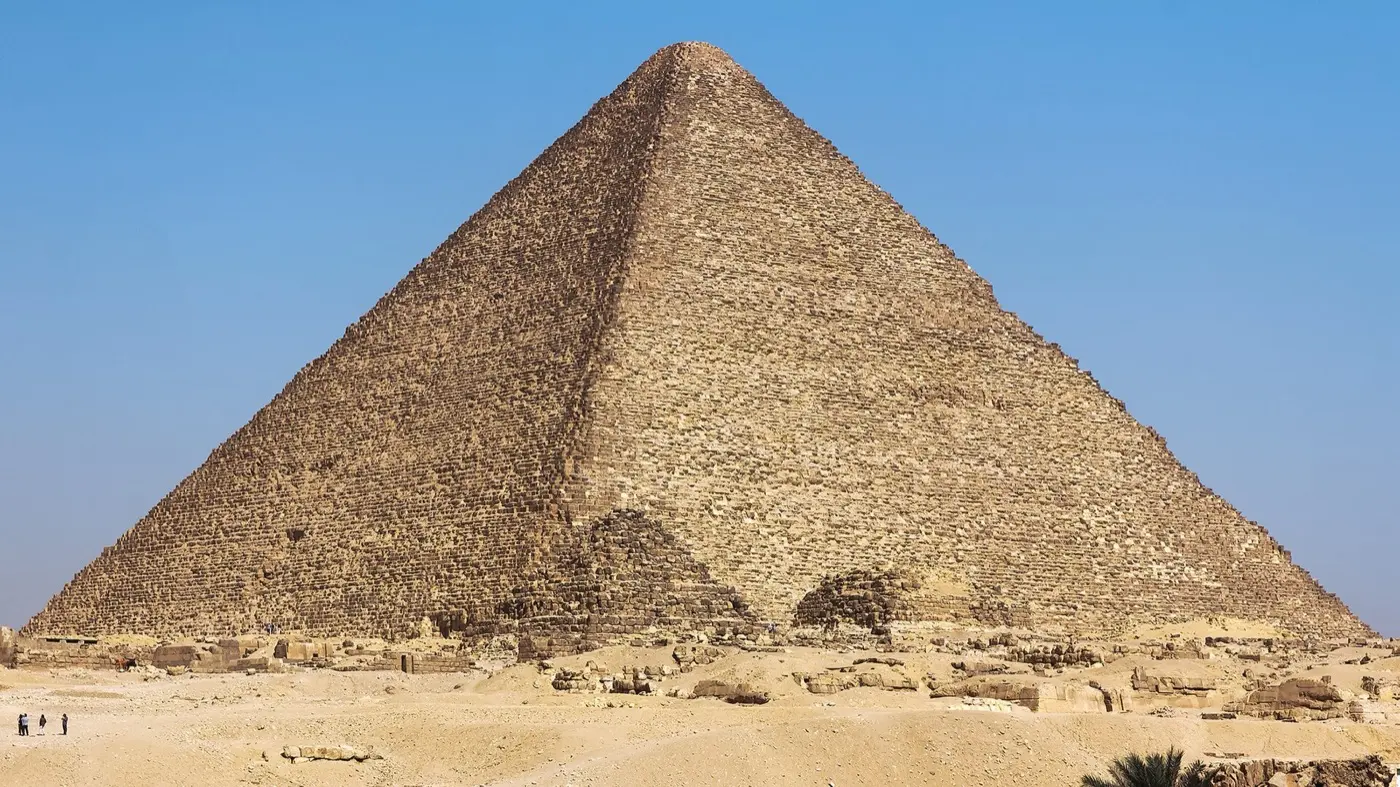

Cleopatra VII, on the other hand, was born in 69 BCE and died in 30 BCE. Roughly 2,500 years separate the completion of the Great Pyramid from her birth.
To put that in perspective, it is about the same distance that separates us from the Greek philosopher Socrates. If Cleopatra ever gazed at the pyramids, she may have felt something like what we feel looking up at the Parthenon in Athens. In fact, back in the 5th century BCE, the Greek historian Herodotus visited Egypt and wrote about the pyramids. Even then, centuries before Cleopatra, they were already an ancient wonder that people traveled to see.
The Moon landing is closer
Now turn around and compare Cleopatra’s time with our own. From her death in 30 BCE to the landing of Apollo 11 on the Moon in 1969 is roughly 2,000 years.
In other words, Cleopatra lived closer in time to the Moon landing than to the building of the Great Pyramid. A figure we had filed on the same “ancient Egypt” shelf as the pyramids was actually standing much nearer to our side of history.
The reason this feels so surprising is that ancient Egyptian history is extraordinarily long. From the founding of the first dynasty to Cleopatra’s death is about 3,000 years, longer even than the time from Cleopatra to the present. The two words “ancient Egypt” pack in far more time than we tend to imagine.
A queen who wasn’t Egyptian
There is another little-known fact about Cleopatra. Her family, the Ptolemaic dynasty, descended from Ptolemy, a Macedonian general who had served under Alexander the Great. The language of the court was Greek, and the royal family kept up Greek traditions for generations.
According to the ancient biographer Plutarch, Cleopatra spoke many languages and was the first ruler of her dynasty to learn Egyptian. That the kings before her governed Egypt for centuries without speaking the language of the people they ruled is quite a surprise in itself.
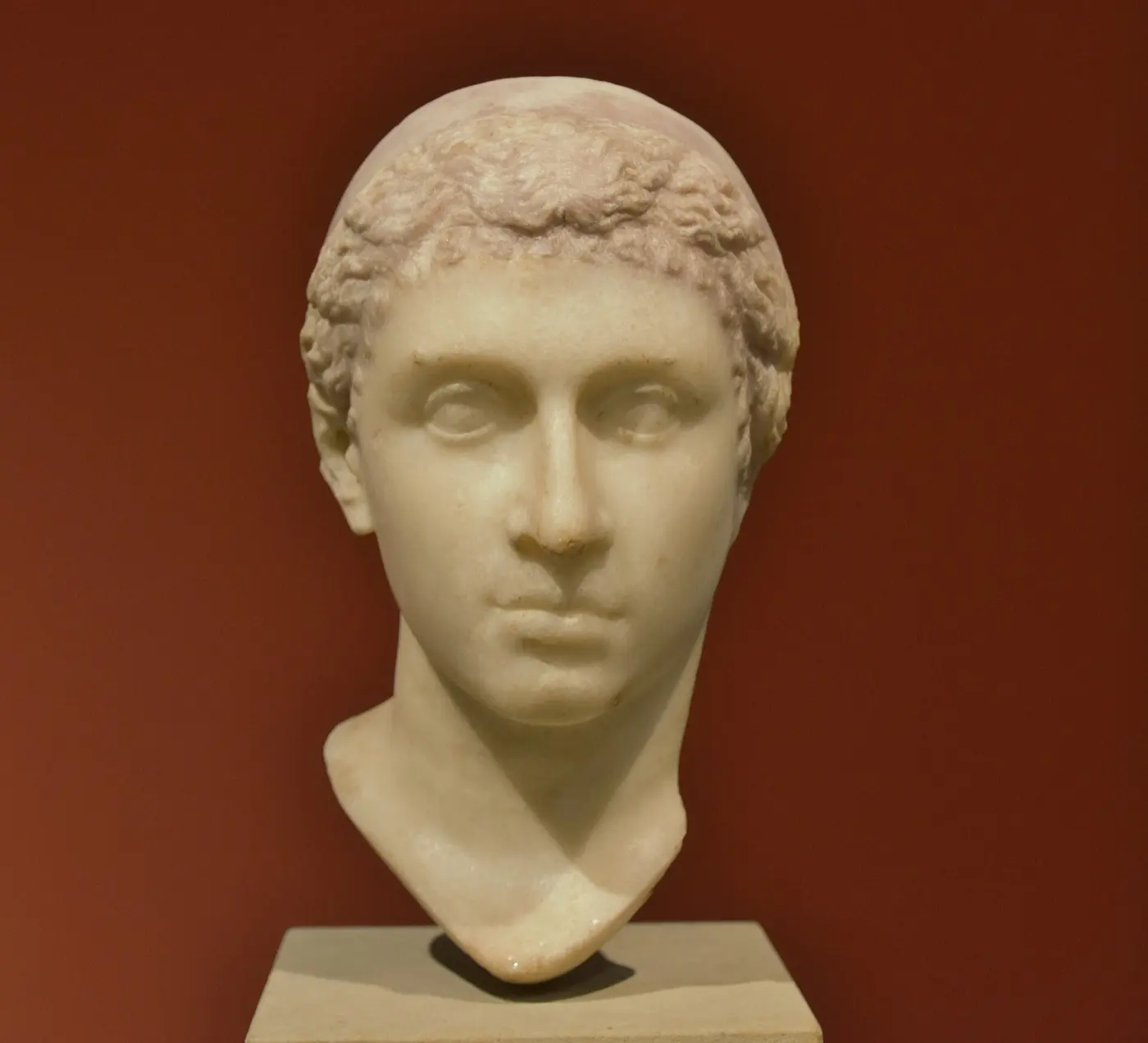

After her death, Egypt came under Roman rule, and the long history of Egypt as the land of the pharaohs drew to a close. Cleopatra belonged not to the first chapter of ancient Egypt but to its very last.
The perspective of time
We tend to see events lump together the farther away they are. Just as a distant mountain range seems to flatten into a single silhouette, events from thousands of years ago appear squashed together, the gaps between them collapsing.
Between the pyramids and Cleopatra lie 2,500 years of dynasties rising and falling, and of the way ordinary people lived slowly changing from one generation to the next. Lay the dates out as numbers, and the landscape of history recovers a surprising amount of depth.