Did people in the past really die young?
Low life expectancy came mostly from high child mortality. Many people who reached adulthood lived long lives.
Japanese folktales are full of a kindly “old man and old woman.” Perhaps, some people say, that couple was really only in their forties. It is easy to see why the idea catches on: life expectancy in Japan’s Edo period (1603–1868) is estimated to have been somewhere between the thirties and about 40.
But a short average lifespan and everyone dying young are two entirely different things. That number hides a small but important trap.
The trick behind “life expectancy”
Life expectancy at birth is the average number of years a newborn baby can expect to live. In other words, it lumps together everyone: the child who dies before their first birthday and the person who makes it to 90.
Take an extreme example. Imagine two people. One dies just after birth; the other lives to 70. Their average lifespan is 35. Yet neither of them died at 35. Life expectancy does not necessarily tell you the age at which most people die.
That is exactly what happened in earlier societies. Infectious diseases, poor nutrition and other hardships killed huge numbers of children while they were still very young. What dragged average life expectancy down was not adults dying early, but how many children died.
A life in the Edo period
Researchers have studied lifespans in Edo-period Japan using sources such as shūmon aratame-chō, temple registers that served roughly the same purpose as a modern family register. The picture varies by region and era, but child deaths were clearly very common, and epidemics such as smallpox and measles were especially deadly for the very young. A traditional saying held that “until seven, a child belongs to the gods,” words said to capture how uncertain it was that a child would survive to grow up.
At the same time, among those who made it through childhood, living into one’s sixties, seventies or even eighties was by no means unusual.
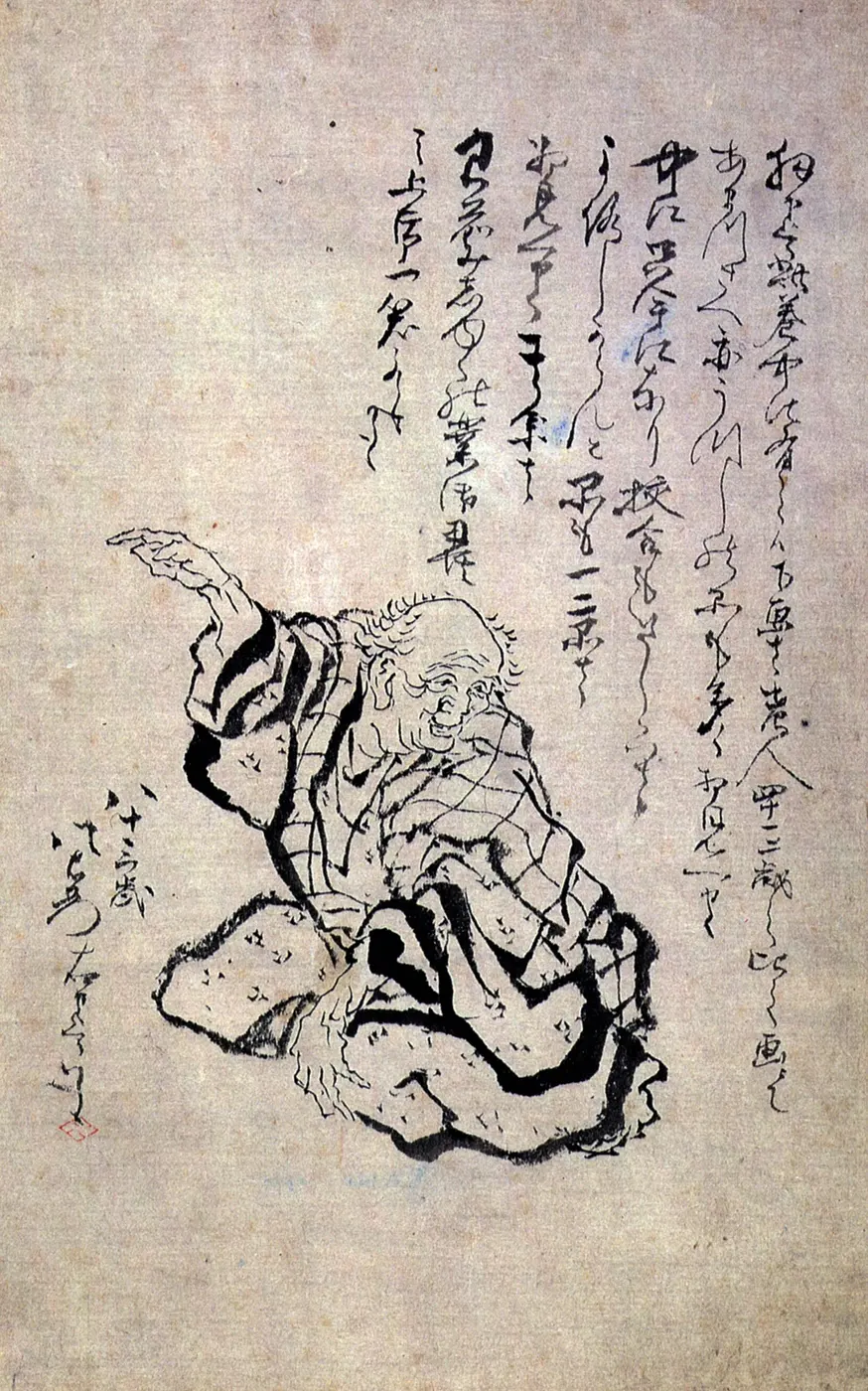

Tokugawa Ieyasu, the founder of the shogunate that ruled the Edo period, died past the age of 70. Kaibara Ekiken, author of Yōjōkun, a famous book on how to stay healthy, is said to have finished it after turning 80. The woodblock-print artist Katsushika Hokusai kept working with his brush until he was 90 by the traditional count, in which a person is one year old at birth. These were, admittedly, privileged people. Still, they make it plain that 40 was hardly old age.
The same pattern among hunter-gatherers
The pattern seems to hold for much older ways of life, too. A study published in 2007 compared data from hunter-gatherer peoples around the world who live without modern medicine.
Life expectancy at birth in these groups was short, roughly 20 to 37 years. Yet among those who died as adults, the most common age at death was generally around 70. Only about 60 percent of children survived to age 15, but many of those who reached adulthood lived long enough to watch their grandchildren grow up. Researchers believe our ancestors probably lived through a similar arc.
Lifespans still grew longer
None of this means people in the past lived as long as we do now. Japanese life expectancy did not pass 50 for both men and women until 1947, shortly after the end of World War II. Today it is above 80 for both.
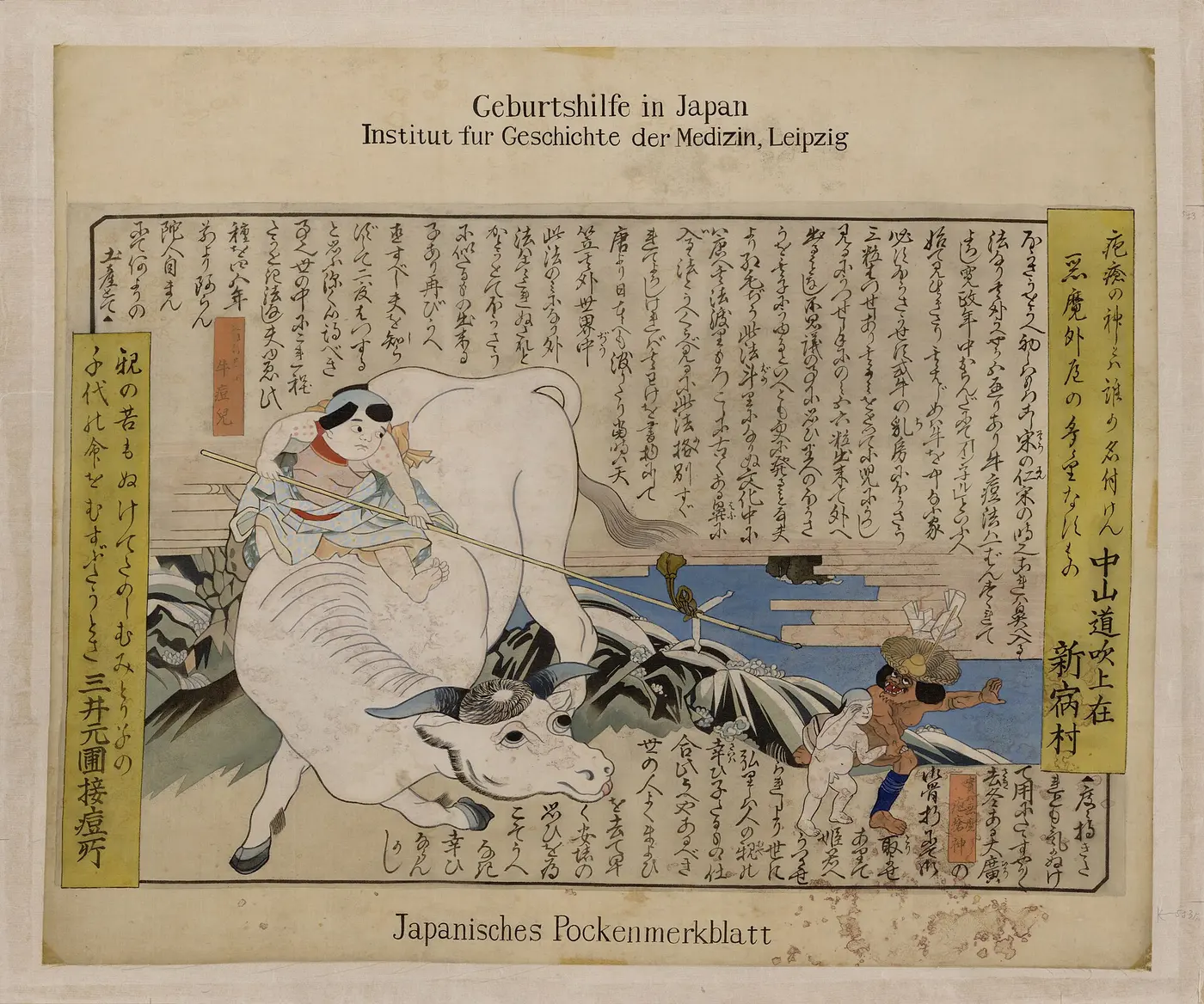

The first driver of that dramatic change was a steep fall in deaths among babies and young children. Vaccines and antibiotics, better nutrition and better sanitation meant that far more children grew up. More recently, people have also been living longer in old age. So rather than saying people in the past were short-lived, it is closer to the truth to say that simply growing up used to be extraordinarily hard.