Which is older, Oxford University or the Aztec Empire?
Oxford. Teaching there began around 1096, more than 200 years before the Aztec capital was founded.
1096
A splendid capital built on a lake, colossal temple pyramids, prayers to the god of the sun. The Aztec Empire has the ring of a far-off “ancient civilization.” Oxford University, meanwhile, is a working university that still draws students from all over the world and sits near the top of the rankings.
Asked which is older, most people would say the Aztecs. But line up the dates, and the answer is the other way around.
A university that began “somehow”
Oxford University has no clear founding date. No one ever declared, “Starting today, this is a university.” Instead, scholars and students gradually gathered, and a place of learning took shape.
According to the university’s own account, there is evidence that teaching was already taking place in Oxford by around 1096. Then, in 1167, King Henry II of England banned English students from attending the University of Paris, and many scholars moved to Oxford, which grew rapidly. It is known as the oldest surviving university in the English-speaking world.
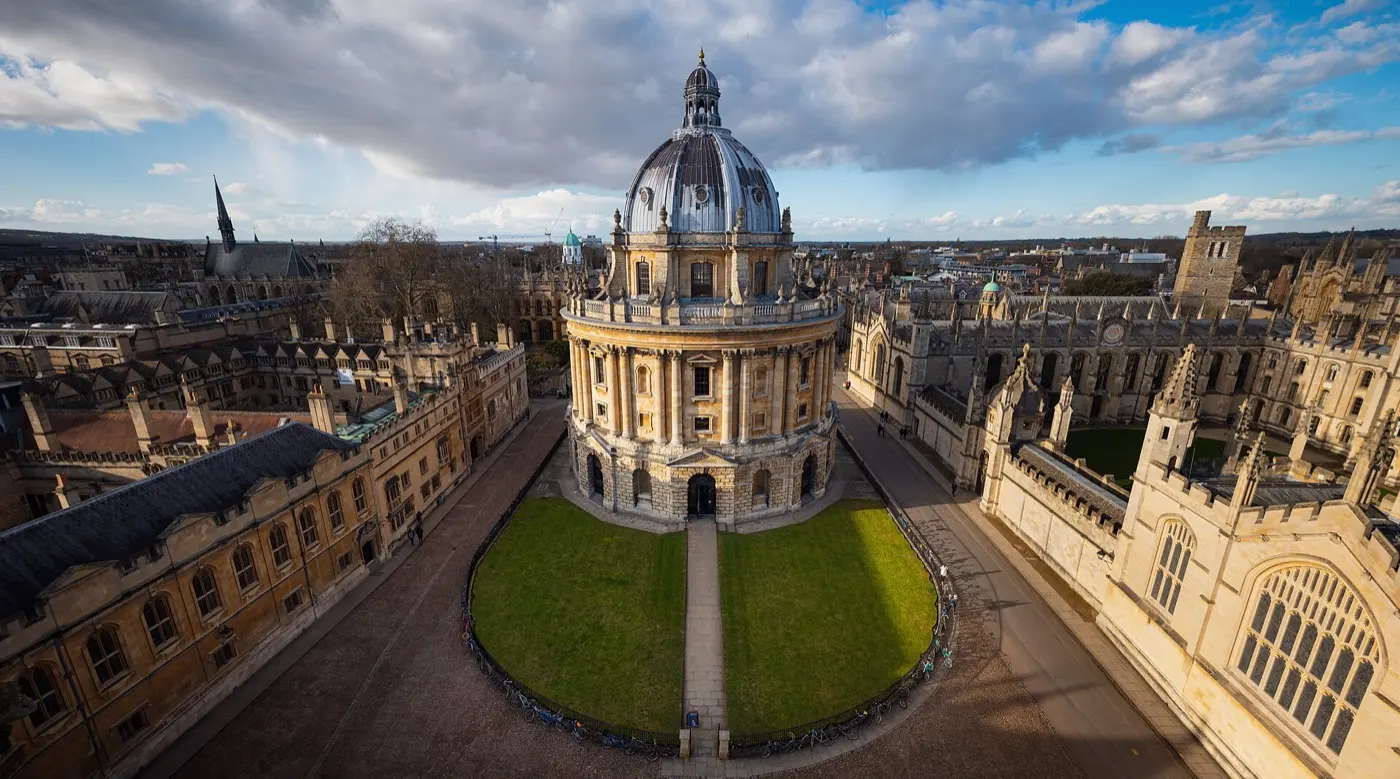

In Japan, 1096 falls in the late Heian period, when the retired emperor Shirakawa was ruling from behind the throne. In Europe, it was also the year the First Crusade set out.
When the Aztec capital was born
The Aztecs, who called themselves the Mexica, built their capital, Tenochtitlan, on an island in Lake Texcoco around 1325, according to tradition. By then, teaching had been going on at Oxford for more than 200 years.
What’s more, at that point the Aztecs were not yet large enough to be called an “empire.” It was only in 1428 that they formed a Triple Alliance with neighboring cities and began expanding their power in earnest. And in 1521, Tenochtitlan fell to Spanish forces led by Hernán Cortés.
In Japan, 1325 was near the end of the Kamakura period, just eight years before the Kamakura shogunate fell. Translated into Japanese history, the Aztecs were a “medieval” state.
The trick of the word “ancient”
Why do the Aztecs feel so much older than they were?
Part of it is how the civilization looks. Stone pyramids, a calendar all its own and a culture that did without iron call to mind ancient civilizations like Egypt and Mesopotamia. And because the Aztec state collapsed soon after its encounter with Europe, its history doesn’t connect to the “modern” world we know. It seems cut off, a story from the distant past.
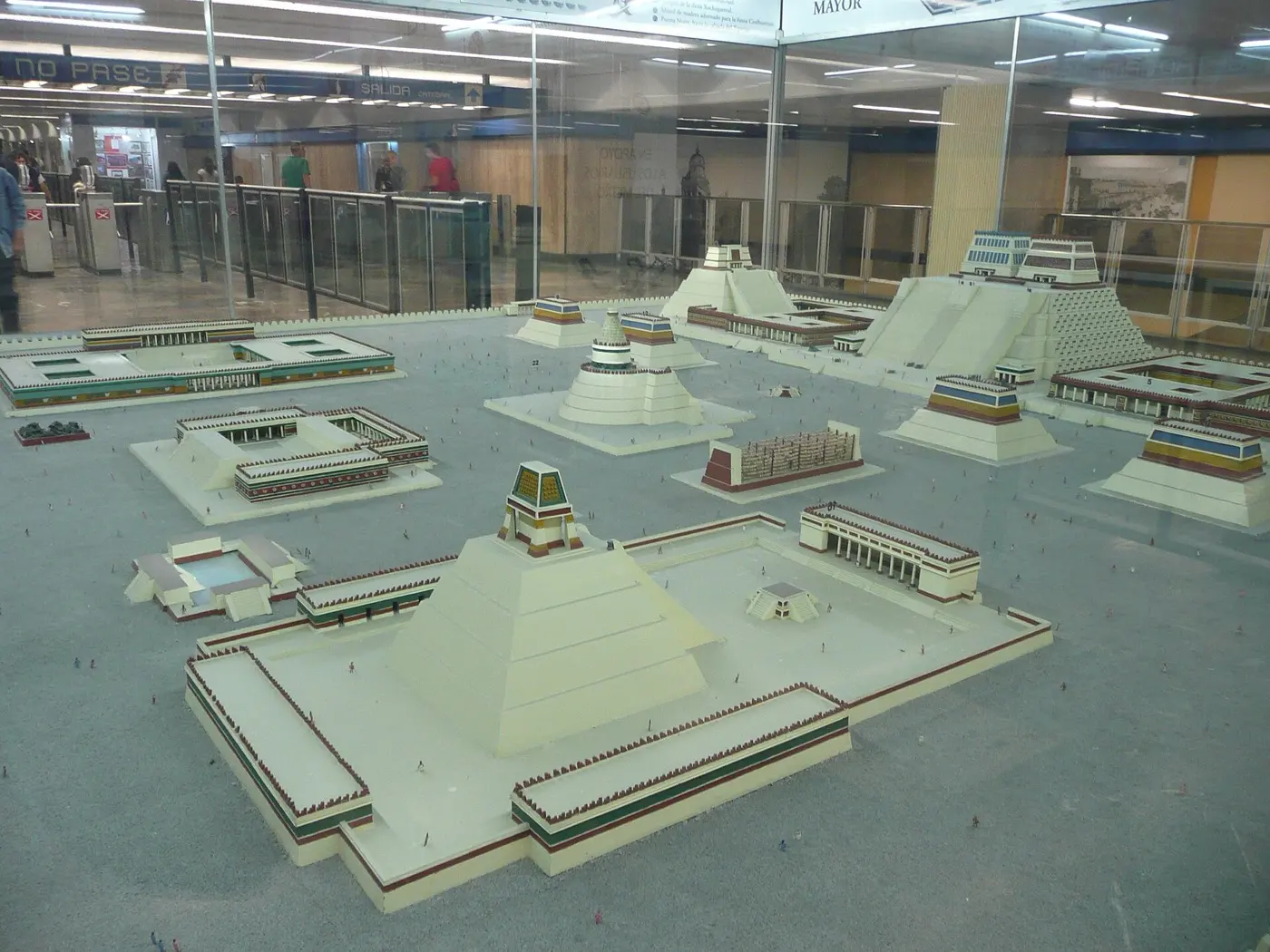

Oxford, by contrast, is hard to feel as old, precisely because classes are still held there and its buildings are still in use. What continues looks new; what was cut short looks old. Our sense of time is swayed by impressions like these more than we might think.
More surprising sequences
Similar time slips turn up in the history of technology. Take the fax machine. Alexander Bain, a Scottish clockmaker, patented a device for sending images as electrical signals in 1843. That was more than 30 years before Alexander Graham Bell was granted his patent for the telephone in 1876. In the 1860s, using a device developed by the Italian-born inventor Giovanni Caselli, a commercial image-transmission service even opened between Paris and Lyon.
The fax is older than the telephone. Hear that, and the machine in the corner of the office starts to look a little different.
Whether something is old or new is decided by the timeline, not by impressions.
It sounds obvious. Yet every time we rearrange the dates, history hands us a small surprise.