Were the pyramids built by slaves?
Probably not. The builders were given food rations and even had their own tombs near the king’s.
Under a blazing sun, sweat-soaked workers drag a huge roped stone while an overseer raises his whip beside them. Picture a pyramid construction site, and that may well be the scene that comes to mind. In movies, comics and children’s books alike, the pyramids have often been portrayed as monuments built by slaves forced into labor.
Over the past few decades, however, excavations have revealed a completely different picture. The people who built the Great Pyramid of Giza, it seems, were not slaves after all.
Where did the slave story come from?
The most famous early written account of pyramid building is the Histories of Herodotus, the Greek historian of the fifth century BCE. Herodotus wrote that King Khufu oppressed his people, setting 100,000 men to work in three-month shifts for 20 years to build the Great Pyramid.
But Herodotus visited Egypt some 2,000 years after the Great Pyramid was completed. His account was based on hearsay and can’t be taken at face value. The image of slaves is also said to have spread because it became linked with the story in the Book of Exodus in the Old Testament, in which the Hebrews are forced into hard labor in Egypt. Yet the pyramids never appear in that biblical story, which is thought to be set much later.
A tomb found when a horse tripped
The big turning point came by accident in 1990. Southeast of the Great Sphinx of Giza, a horse carrying a tourist stumbled over a mud-brick wall buried in the sand. When archaeologists looked into it, they found a cemetery for the people who had built the pyramids.
Later excavations uncovered many tombs, large and small. Some had offerings of bread and beer, and some were inscribed with titles such as “overseer of the side of the pyramid.” Zahi Hawass, a leading figure in Egyptian archaeology, has said that since these people were allowed to build their tombs right beside the king’s pyramid, they could not possibly have been slaves.
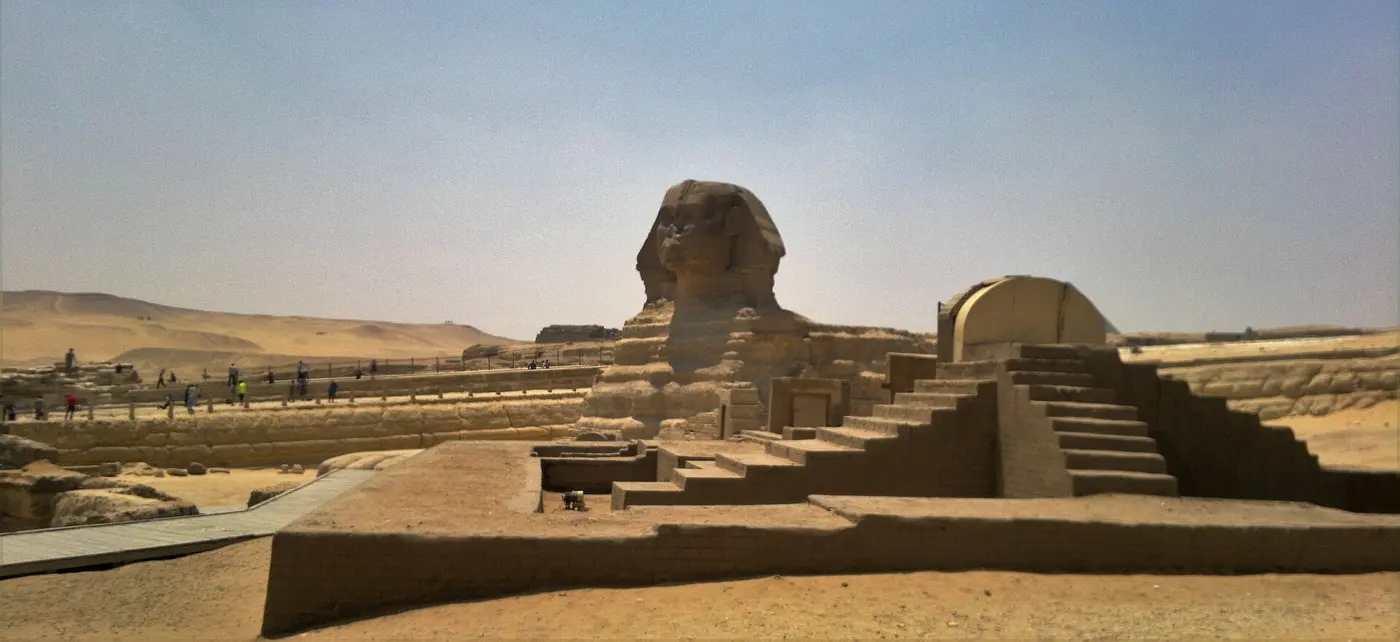

The skeletons of the people buried there bore the marks of heavy labor, but also signs of broken bones that had healed properly. That suggests injured workers may have received medical care.
Bread, beer and beef
Near the cemetery, a team led by the American archaeologist Mark Lehner also excavated the remains of the town where the workers lived. They found ovens for baking bread and large numbers of cattle, sheep and goat bones. Besides their staples of bread and beer, the workers are thought to have eaten a fair amount of meat.
The workers were divided into gangs, and the gangs were given names that included the king’s name. Graffiti on the stones of pyramids and temples preserve gang names such as “Friends of Khufu” and “Drunkards of Menkaure.” As for numbers, the prevailing view is that the workforce was far smaller than the 100,000 Herodotus described, about 20,000 at most.
A 4,500-year-old work log
In 2013, at a site called Wadi al-Jarf on the coast of the Red Sea, archaeologists found the records of a man who had worked on the construction of the Great Pyramid. Among the oldest inscribed papyri still in existence, they are known as the Diary of Merer.
In plain, dated entries, the diary describes how a gang of several dozen men led by an overseer named Merer shipped white finishing limestone from the quarries at Tura, across the Nile, to Giza. It is a precious document, showing that this vast state project was carried out through detailed planning and careful record-keeping.
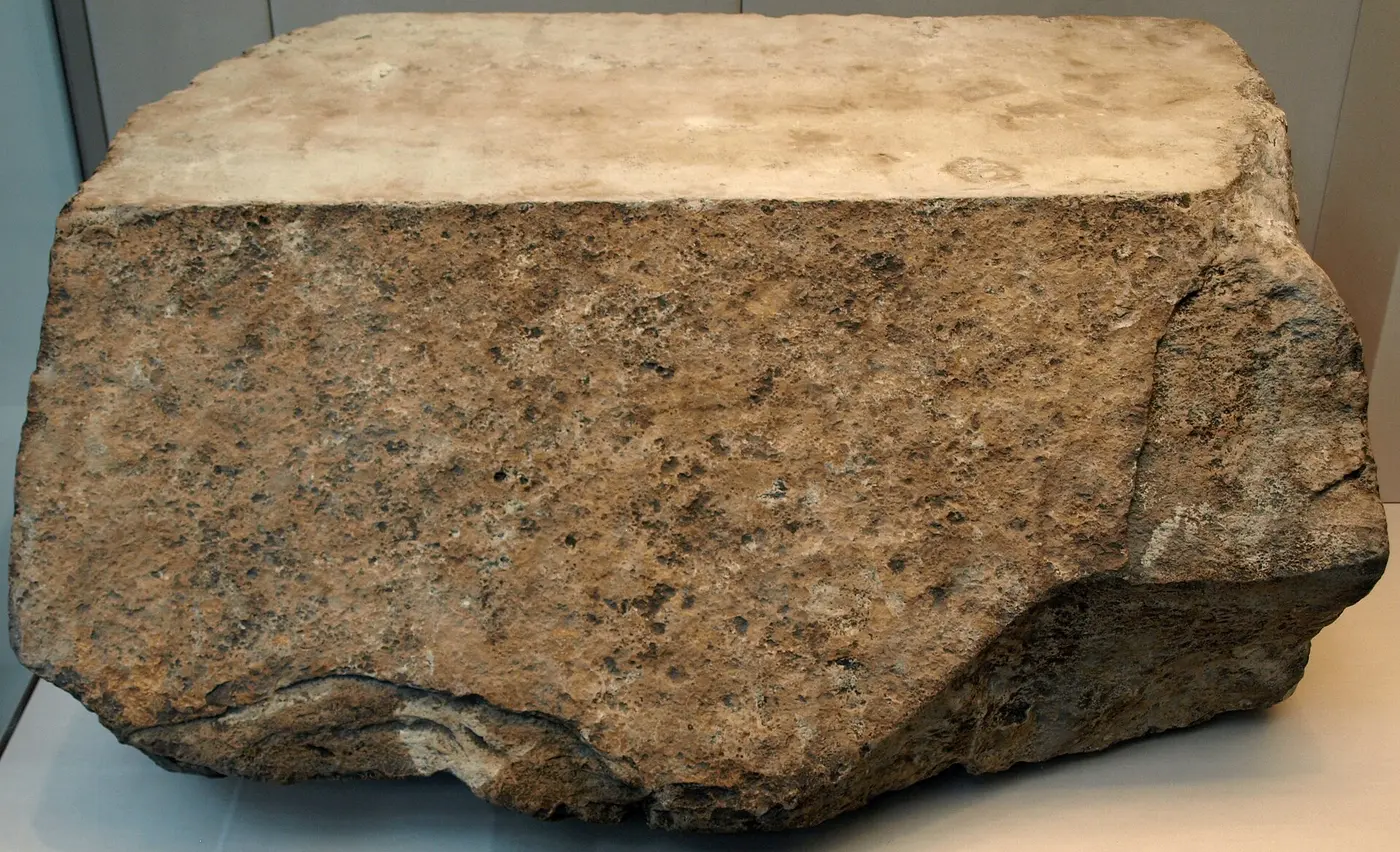

That said, “not slaves” is not the same as “free workers laboring by choice.” Most of the builders are thought to have been farmers brought in on rotation from around the country, working as a form of service owed to the state. The pyramids were built not by slaves cowering under the whip, but by people who were given food and lodging and who worked in teams alongside their comrades.