Is the tongue “taste map” real?
No. Every part of the tongue can detect all of the basic tastes.
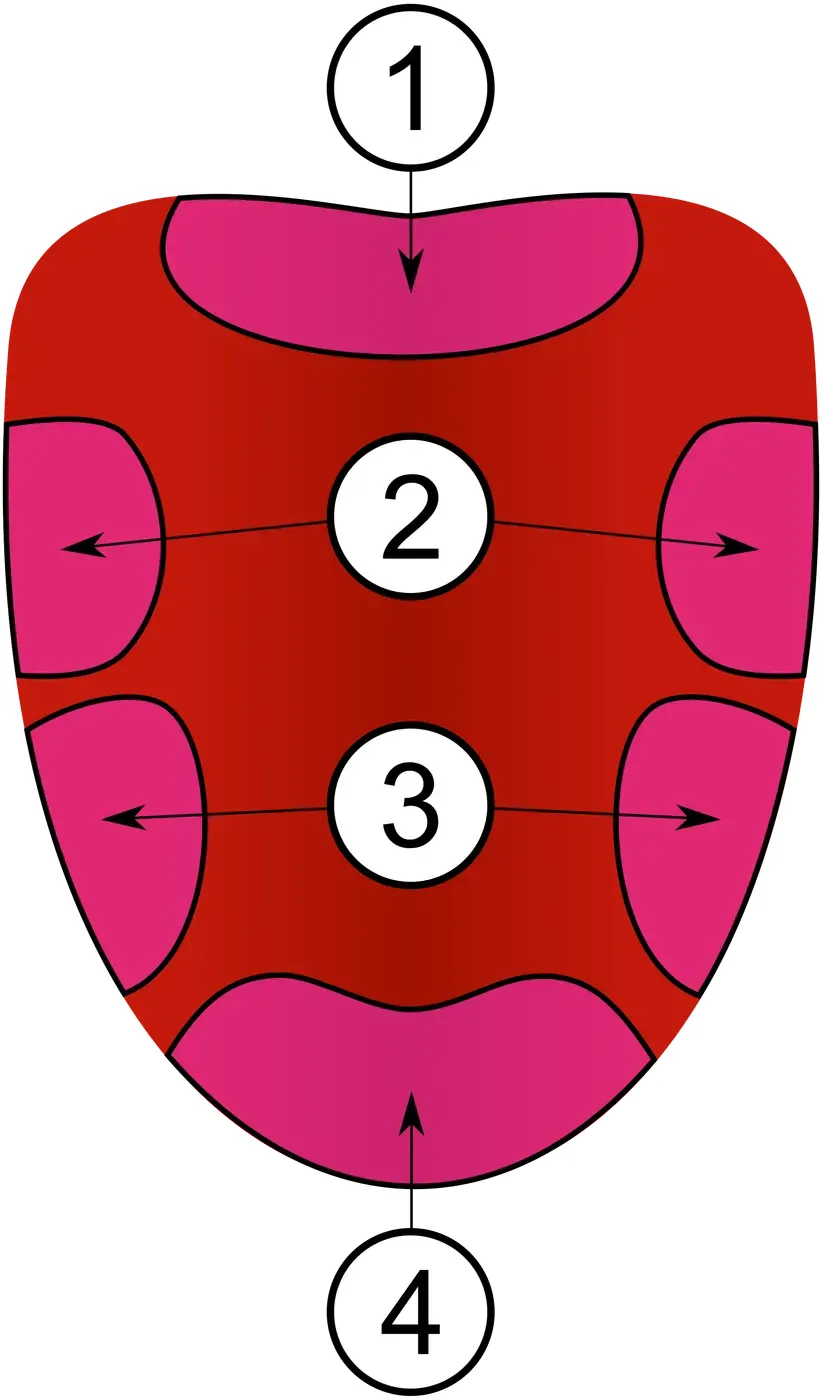
A drawing of a tongue divided into zones: “sweet” at the tip, “salty” and “sour” along the sides, “bitter” at the very back. Many of us have seen a “taste map” like this somewhere. In the United States, high school biology classes were reportedly still running experiments to confirm the tongue map in the late 1990s.
Today we know for certain that the map is wrong. What’s more, the research it was based on never claimed anything of the kind.
It began in Germany in 1901
The taste map traces back to a paper titled “On the Psychophysics of Taste,” published in 1901 by the German researcher David Hänig. For the four tastes known at the time—sweet, salty, sour and bitter—Hänig placed solutions on various spots on the tongue and measured how dilute they could be while still being tasted, that is, the threshold concentration for each taste.
What he found was that the edges of the tongue were a little more sensitive than the center, and that each taste had very slight differences in where it was easiest to detect. Hänig never wrote that certain parts of the tongue can taste only certain flavors.

A misreading 41 years later
The story took its twist 41 years later, in 1942. The American psychologist Edwin Boring redrew Hänig’s data as graphs in a book on the history of psychology. Because he converted each taste’s sensitivity into relative values, the peaks and dips of the curves looked more dramatic than they really were.
Later readers took the low points of the curves to mean “this spot can’t taste it” and the high points to mean “this spot is in charge of it.” A tiny difference in sensitivity had quietly turned into a difference between tasting and not tasting. The easy-to-grasp diagram was copied from textbook to textbook and spread around the world.
Every part of the tongue tastes everything
In 1974, the American researcher Virginia Collings revisited the question and confirmed that every taste can be detected on every part of the tongue. It is also known that even if the threshold concentrations differ a little from place to place, once a taste is strong enough to notice clearly, there is no major difference in how intense it feels.
Taste is detected by tiny bud-shaped organs called taste buds. The human tongue is said to have an average of about 2,000 to 8,000 of them, and they are scattered not only on the tongue but also on the soft part at the back of the roof of the mouth and in the throat. The cells in taste buds are replaced quickly, with an estimated average lifespan of about 10 days.
Try dipping a cotton swab in a sweet juice and touching it gently to the back or sides of your tongue. Even in places the map assigns to “bitter,” you should be able to taste the sweetness just fine.
Umami: the taste the map left out
The old taste map has another big gap. It shows only four tastes: sweet, salty, sour and bitter.
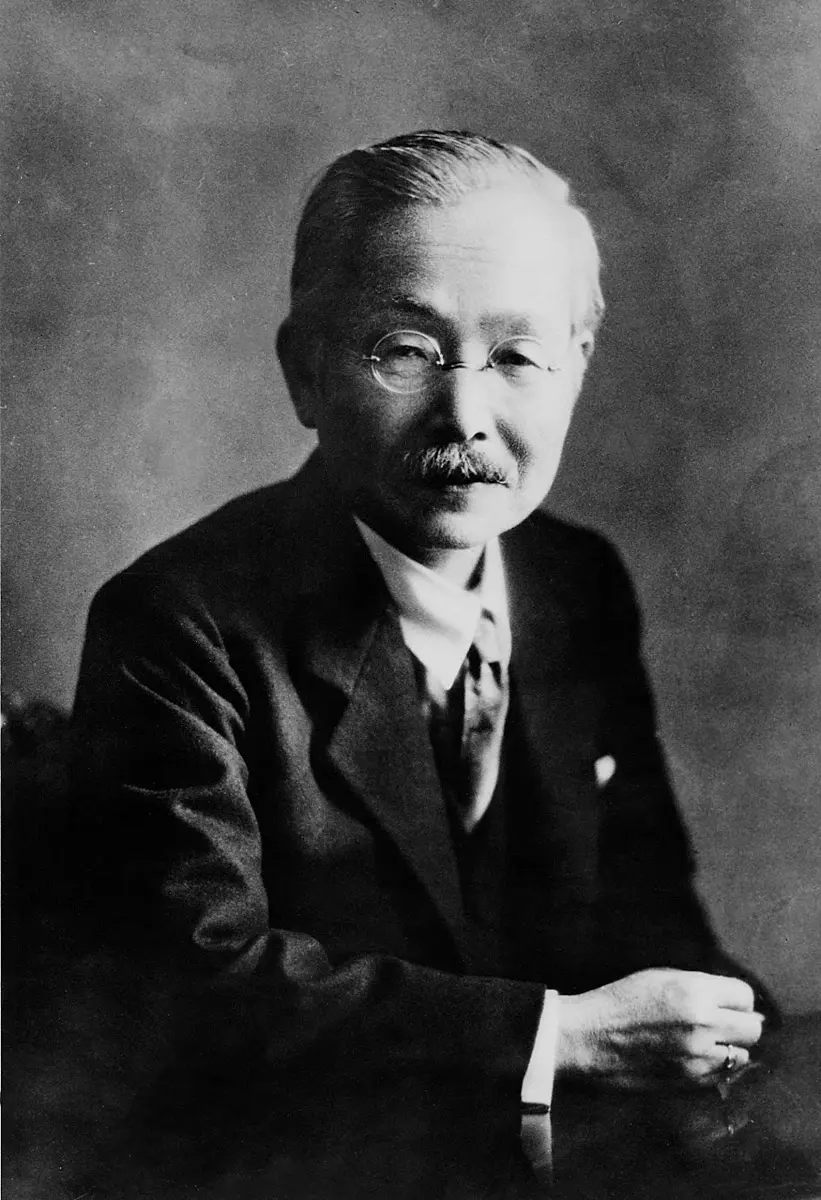
In 1908, Ikeda Kikunae, a chemist at Tokyo Imperial University, discovered that the savory flavor of kombu (kelp) broth comes from glutamic acid, and he named the taste umami. But it took a long time for umami to be widely accepted around the world as one of the basic tastes. At an international symposium held in Hawaii in 1985, “umami” was recognized as a scientific term, and in the early 2000s, the receptors that detect umami on the tongue were identified one after another.

Today the basic tastes are considered to be five: sweet, salty, sour, bitter and umami. And umami, like the others, is detected across wide areas of the tongue, not in one special spot. The tongue never had “districts” at all.