How many cells are in the human body?
An adult is estimated to have about 37 trillion. The often-quoted “60 trillion” was only a rough guess.
37 trillioncells
“The human body is made of 60 trillion cells.” In Japan, plenty of people remember learning that figure. Yet open a recent book or textbook, and you’ll almost always find a different one: about 37 trillion.
A gap of more than 20 trillion doesn’t mean our bodies have shrunk or lost cells. The counting method changed. And once researchers counted again, another surprising fact about our bodies came to light.
“60 trillion” was a rough estimate
Counting cells one by one is, of course, impossible. So over the years, people have come up with all sorts of estimates.
The familiar “60 trillion” is said, by one account, to come from a back-of-the-envelope calculation: treat each cell as weighing about one nanogram (a billionth of a gram), and a 60-kilogram person works out to 60 trillion cells. Real cells, though, vary enormously in size and weight depending on their type.
In 2013, a research team led by the University of Bologna in Italy pointed this out at the very start of their paper. The figures quoted for the number of cells in the human body, they noted, ranged from one trillion to ten quadrillion, a spread of ten thousand times, and were widely repeated without proper references.
Counting organ by organ to reach 37 trillion
So the team took a new approach. From a huge body of past research, they gathered data on the size and density of cells in each organ and tissue, calculated the number of cells in each part of the body, and then added them all up.
The total came to about 37.2 trillion. The figure has been cited around the world, and in Japan it has become widely known as “37 trillion.” The team also wrote that this value was only a starting point, and that a fuller calculation should be completed through a shared effort.
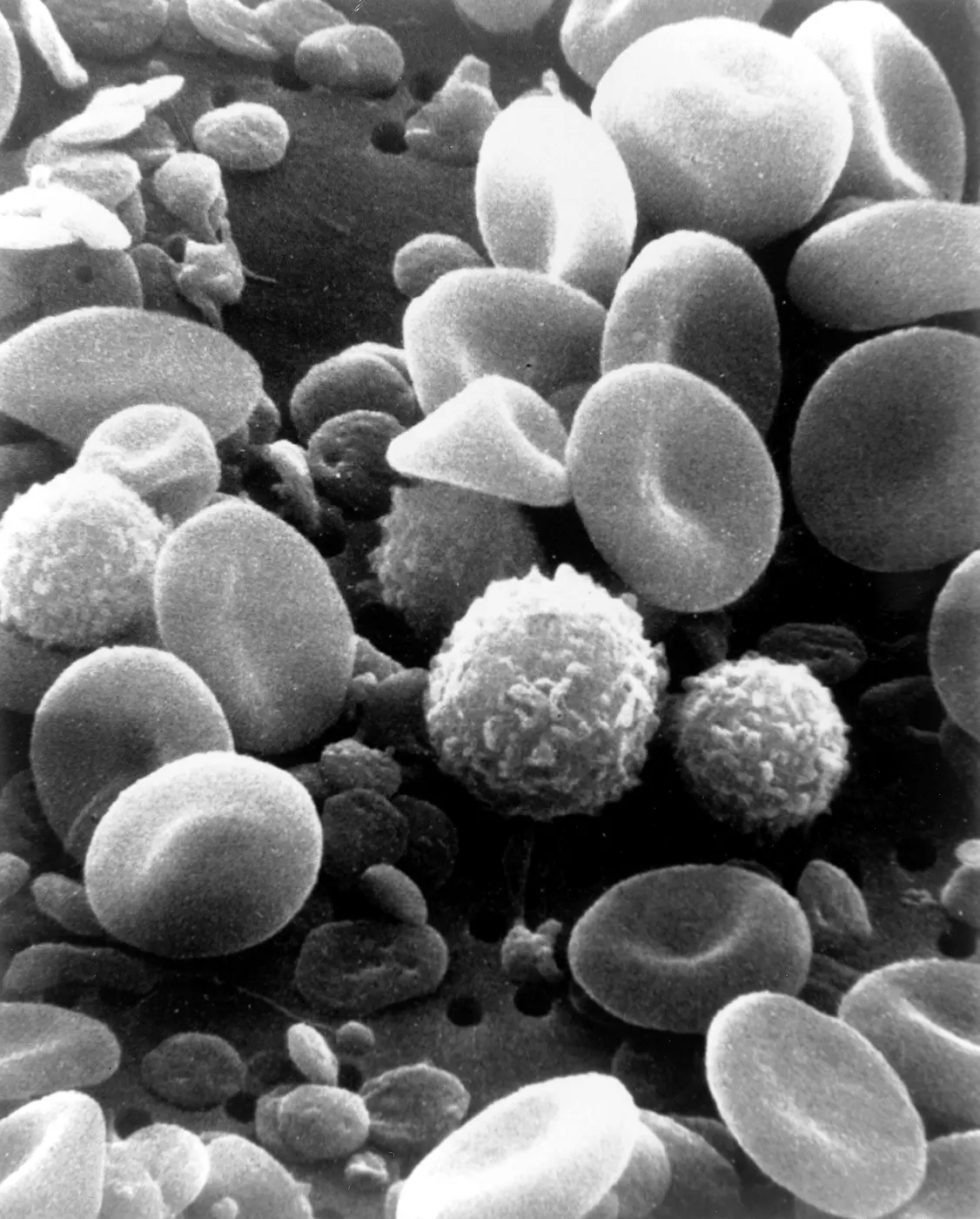

When they tallied it all up, most of the cells turned out to be red blood cells flowing through the blood. A red blood cell is tiny, less than a hundredth of a millimeter across, but there are simply an enormous number of them.
Red blood cells by number, fat and muscle by weight
In 2016, a team at Israel’s Weizmann Institute of Science redid the calculation. Their subject was a “reference man”: 20 to 30 years old, 70 kilograms, 170 centimeters tall.
Their estimate came to about 30 trillion human cells. It is lower than the 2013 figure because they revised the counts of cells such as the brain’s glial cells and the cells lining the blood vessels. Still, the order of magnitude, tens of trillions, stays the same. And 84 percent of those cells were red blood cells. Meanwhile, 75 percent of the body’s cell mass belonged to just two large cell types, fat cells and muscle cells, which make up only about 0.2 percent of the total number. Count by number or by weight, and the stars of the show trade places completely.
About as many bacteria as human cells
What made the 2016 study especially famous was that it also re-estimated the number of bacteria living in the body.
It used to be said that bacteria in the body outnumber human cells ten to one. But that figure traced back to a rough calculation made in 1972: the number of bacteria per gram of gut contents multiplied by the capacity of the entire digestive tract.
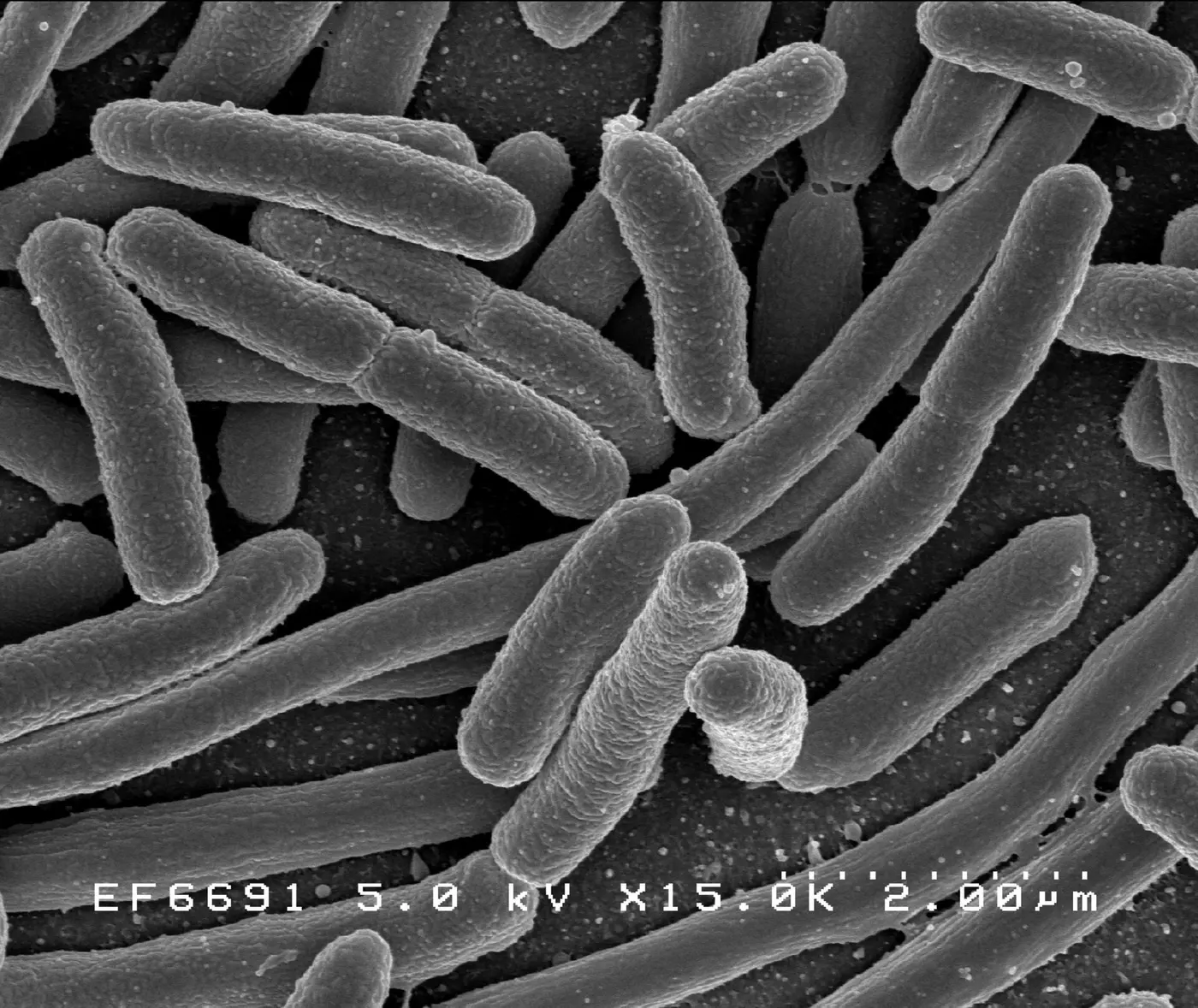

When the team recalculated using up-to-date data on things like the volume of the colon’s contents, they arrived at about 38 trillion bacteria. That’s a ratio of roughly 1.3 to 1 against human cells: not ten times as many, but about the same. All those bacteria together weigh only about 0.2 kilograms. What’s more, the colon, where most of the bacteria live, loses a quarter to a third of its contents with each bowel movement. The race is so close that which side is ahead could flip within a single day.