Why do we sneeze?
A reflex that blasts irritants out of the nose with a burst of air, directed by the brainstem.
18–35%
A tickle deep in your nose, a big involuntary breath, and no matter how hard you try to hold it back: “Achoo!” A sneeze is one of the few things your body does that you can barely stop. In hay fever season they come far too often, yet when one is on the verge and won’t come out, it is maddening.
Behind that single moment, your nose, your brain and muscles all over your body work together with remarkable timing.
An emergency ejection from the nose
The point of a sneeze is to drive out whatever has gotten into your nose. When dust, pollen, cold air or viruses irritate the lining of the nose, the signal travels along the trigeminal nerve, which carries sensation from the face, to the brainstem deep in the brain.
The medulla, part of the brainstem, then sends orders to the muscles of the throat, chest and abdomen all at once. First you take a deep breath; the throat closes for an instant and pressure builds in the lungs. Then the passage opens and the trapped air bursts out through the nose and mouth. At the same moment the muscles of the eyelids contract on their own, and your eyes close by reflex.
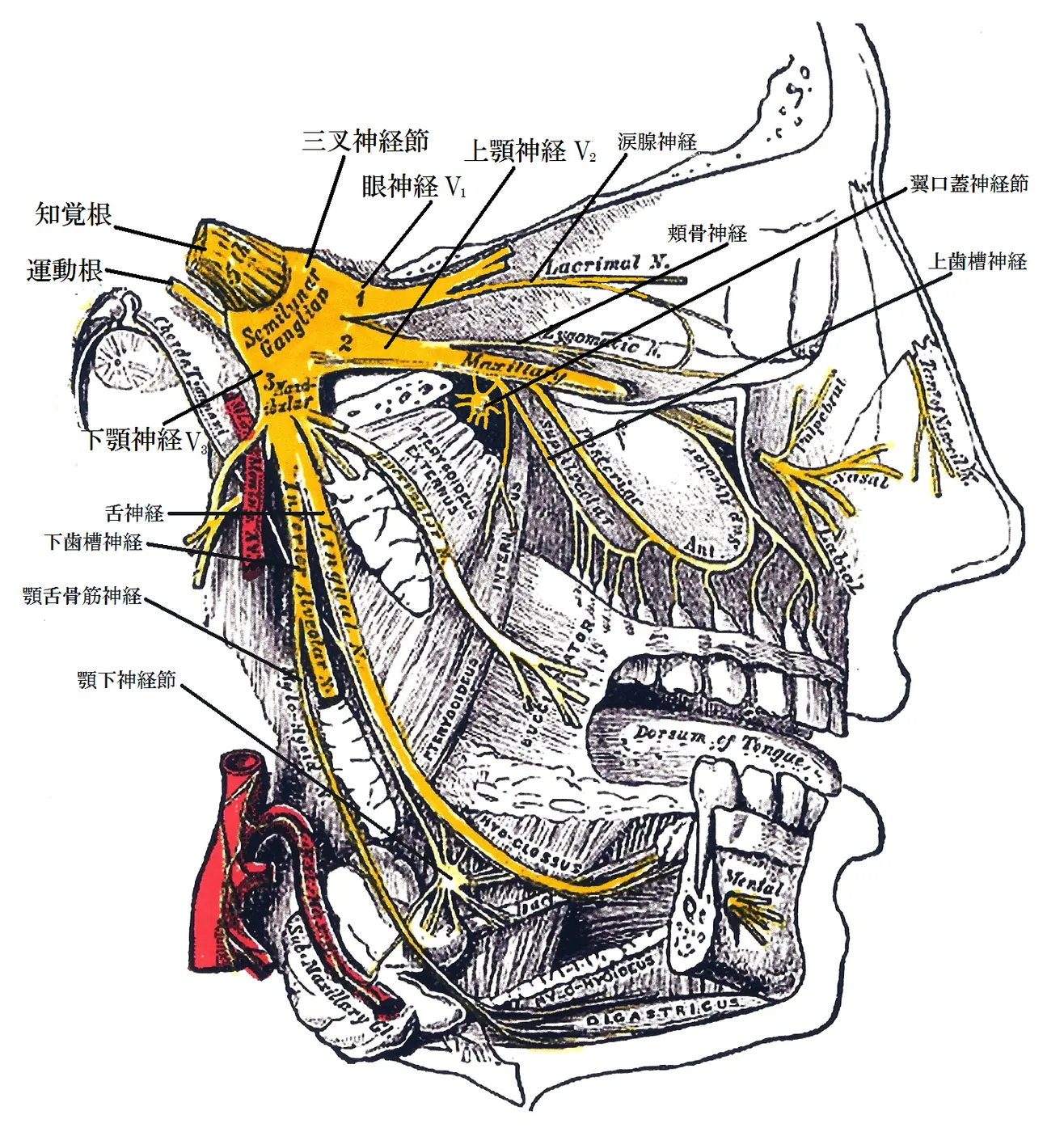

A sneeze, in other words, is a powerful vacuum cleaner running in reverse for your nose. It helps to think of it this way: a cough expels irritants from the windpipe and lungs, while a sneeze takes care of the nasal passages.
Sneezing at bright light
Some people sneeze the moment they step from a dark tunnel into sunshine, or when they glance up at the sun. This trait is called the photic sneeze reflex, and it is estimated to occur in about 18 to 35% of the world’s population. It is also known to run in families.
People have been curious about it since ancient times. The Greek philosopher Aristotle thought the sun’s heat warmed the nose. Much later, the English philosopher Francis Bacon found that facing the sun with his eyes closed did not make him sneeze, and concluded that the eyes must be involved.
Why light should trigger a nasal reflex is still not clear. A leading idea is that the optic nerve, which carries signals from the eyes, runs close to the trigeminal nerve, which carries sensation from the nose, so that strong light gets “cross-wired” with irritation in the nose. Other people have an even odder trait: they sneeze when their stomach is full.
Is it really 160 km/h?
Sneezes are often said to travel at 160 km/h (100 mph), and some sources even claim more than 300 km/h. But when people actually measured them, the story turned out quite differently.
The big numbers are said to trace back to a mid-20th-century researcher who worked backward from the size of the droplets: air must move this fast, he reasoned, to produce spray like that. It was an estimate, not a direct measurement.
In 2013, a team led by Dr. Julian Tang directly observed the sneezes of six volunteers using high-speed cameras and a special imaging technique that reveals airflow through the way it bends light. The top speed of the air was only about 4.5 meters per second, or roughly 16 km/h (10 mph)—not much different from a cough. The sample was small, though, and Tang himself noted that larger people might sneeze faster. Other measurement methods have reported speeds of a few tens of kilometers per hour, but nothing close to a bullet train.
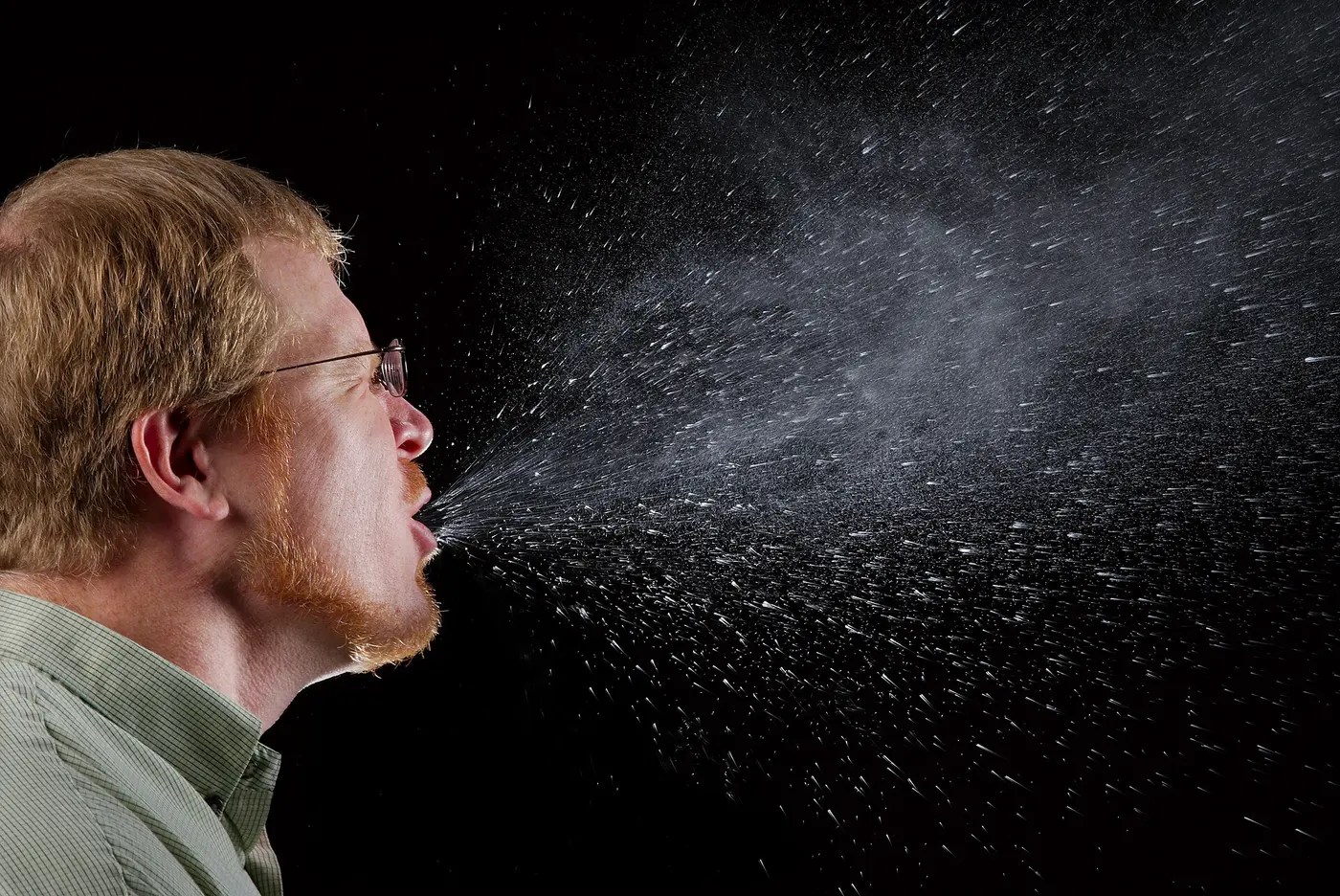

How far a sneeze travels, on the other hand, seems to be farther than you might expect. A study published in 2020 suggested that the cloud of breath carrying fine droplets can reach 7 to 8 meters (23 to 26 feet). The speed may be modest, but the spray drifts a long way across a room.
Don’t hold it in
Embarrassed to sneeze in public, some people pinch their nose and close their mouth to stifle it. This is not a good idea. With nowhere to go, the air pressure puts a heavy strain on the throat and airways.
In 2018, a medical journal reported the case of a 34-year-old man in Britain who held in a forceful sneeze with his nose pinched and his mouth shut and ended up with a hole in the back of his throat. He felt a popping sensation in his neck; later his throat swelled, his voice changed, and he had to be admitted to the hospital.
When you feel a sneeze coming, don’t fight it. Cover your mouth and nose with a tissue or handkerchief, or if you have neither, the inside of your elbow.