Do your tears change with your feelings?
One study found more protein in emotional tears, but follow-up results disagree, so it’s still unclear.
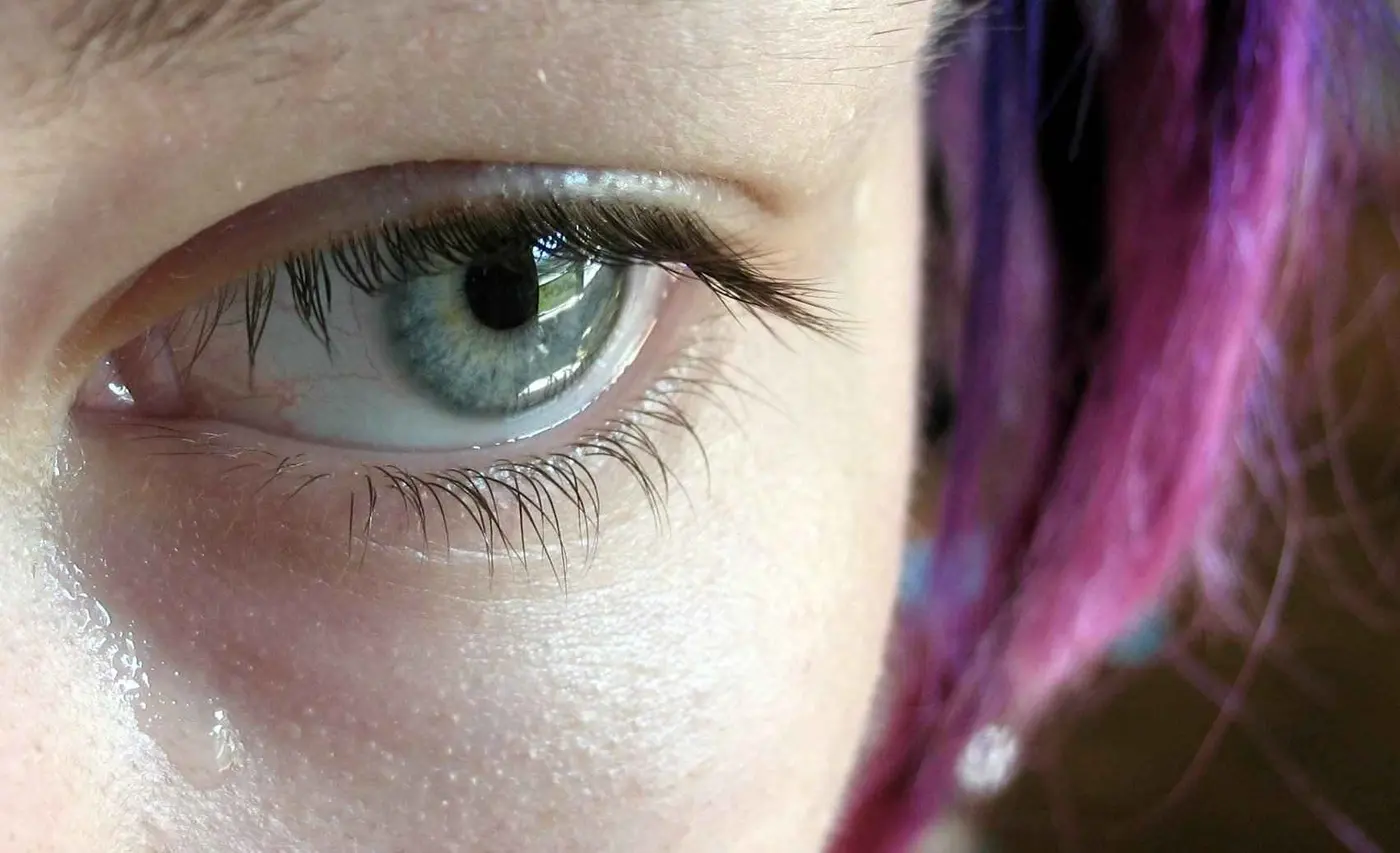
Tears that spill over at the end of a movie, tears when you get dust in your eye, tears when you chop an onion. All of them are salty water welling up from the eyes.
Yet in books and online you often come across claims like “emotional tears are full of stress-related substances” and “that’s why a good cry makes you feel better.” Do our feelings really change what’s in our tears? Look into it, and the question turns out to be surprisingly unsettled.
Three kinds of tears
Tears fall broadly into three types.
The first are basal tears, which flow in small amounts all the time, even when you aren’t crying. They keep the surface of the eye moist and protected, and the amount produced in a day is said to be around one gram. The second are reflex tears, which wash away irritants such as dust, smoke or the compounds released by onions. The third are emotional tears, which come with strong feelings like sadness, joy or being deeply moved.

Tears are mostly water, but dissolved in them are salts along with proteins such as lysozyme, an enzyme that breaks down bacteria, and lactoferrin, as well as antibodies. The film of tears covering the eye has traditionally been described as having three layers: an outer oily layer, a watery layer, and a mucus layer.
1981: comparing what’s inside tears
The difference between emotional and reflex tears caught the attention of a research team led by the American biochemist William Frey. In a paper published in an ophthalmology journal in 1981, they reported that the protein concentration of women’s emotional tears was 24 percent higher than that of tears produced by an irritant.
The same paper, however, also noted no notable difference in the distribution of the types of proteins. Even so, the idea that our feelings might change what’s in our tears captured the public imagination. Eventually another idea was widely popularized as well: that emotional tears contain more stress-related hormones and the like, and that crying is a way of flushing them out of the body.
Look again, and it isn’t so simple
This supposed difference in tear composition, however, can’t be said to have been well confirmed by later research. The Dutch psychologist Ad Vingerhoets, known as one of the world’s leading researchers on crying, has said that he tried to verify it himself but has not been able to.
The same goes for the idea that crying makes you feel better. In one study in which female students kept records of their crying episodes, only about 30 percent said they felt better afterward, about 60 percent felt the same, and about 10 percent actually felt worse.
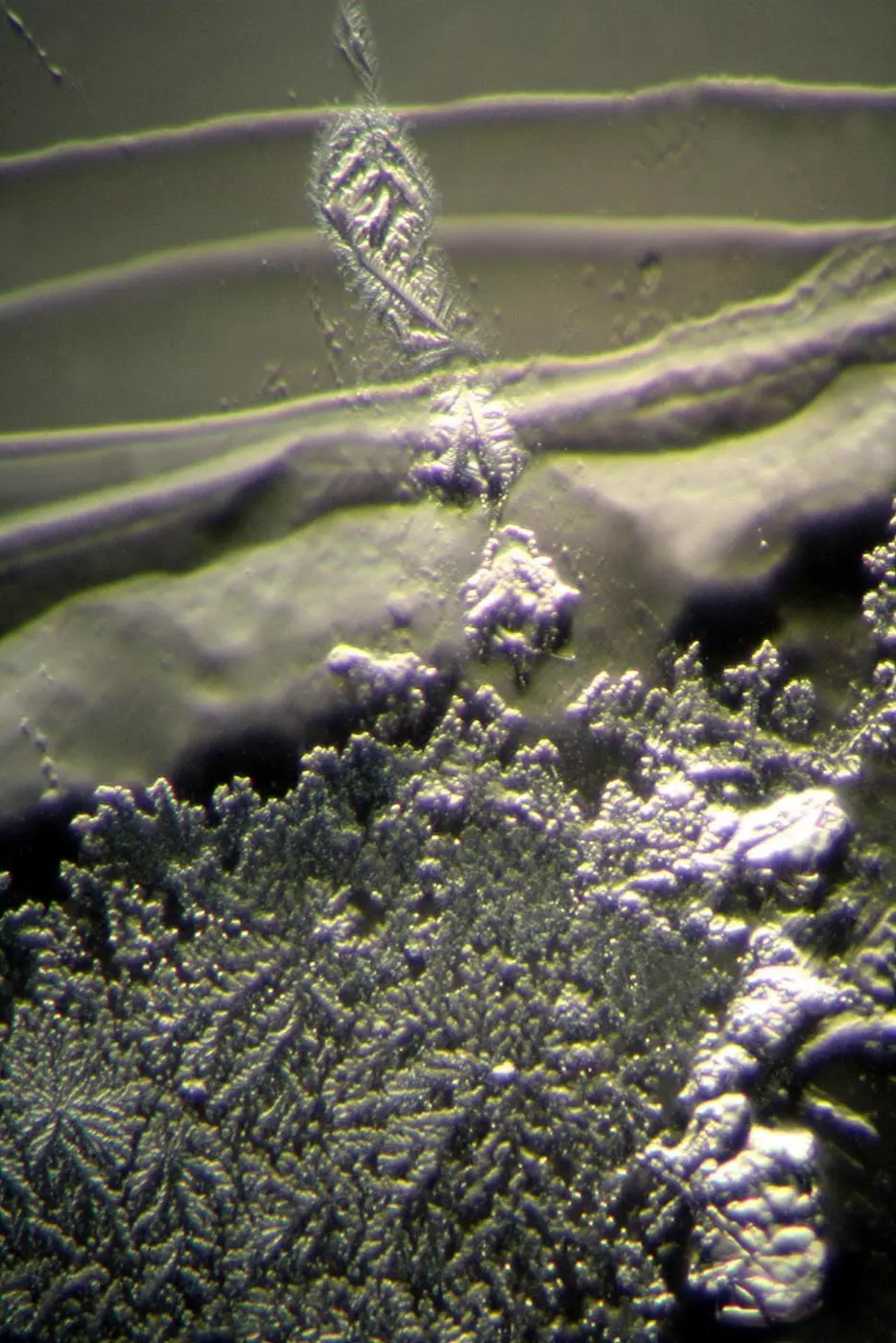

In 2025, a U.S. research team published the results of analyzing tear proteins with the latest techniques. They reported that 52 kinds of protein were more abundant in tears produced by emotion. But the emotional tears they examined came from only six people, and the team itself described the work as a pilot study. Emotional tears have simply not been studied much, and a great deal about them remains unknown.
Do tears send a message by smell?
Other research has come at the question from a different angle. In 2011, a team at Israel’s Weizmann Institute of Science reported in the journal Science that when men sniffed women’s tears of sadness, the men’s sexual arousal and their levels of the hormone testosterone dropped. Tears have no noticeable odor, but they might contain some kind of chemical signal.
However, in a replication attempt by a different team published in 2016, none of three experiments found the same effect. Later, in 2023, the Weizmann team published a study reporting that men who sniffed tears behaved more than 40 percent less aggressively. Researchers are still debating how our feelings show up in what our tears contain.