Is blood type linked to personality?
Large surveys found almost no link: blood type explained less than 0.3% of differences in personality.
0.3%
In Japan, many people have been asked “What’s your blood type?” within minutes of meeting someone. Type A is meticulous, type O easygoing, type B a free spirit, and type AB has two sides. Blood type and personality are a staple of TV horoscopes and magazine features.
Outside Japan, though, the topic is not nearly as common. The idea that your blood type reveals your character is, in fact, something that grew up in 20th-century Japan.
The discovery of blood types, and one paper
The ABO blood groups were discovered in 1901. The Austrian physician Karl Landsteiner noticed that when human blood samples were mixed, some combinations clumped and others did not, and he showed that blood could be sorted into several types. The discovery opened the way to safe blood transfusions, and he later received the Nobel Prize in Physiology or Medicine.
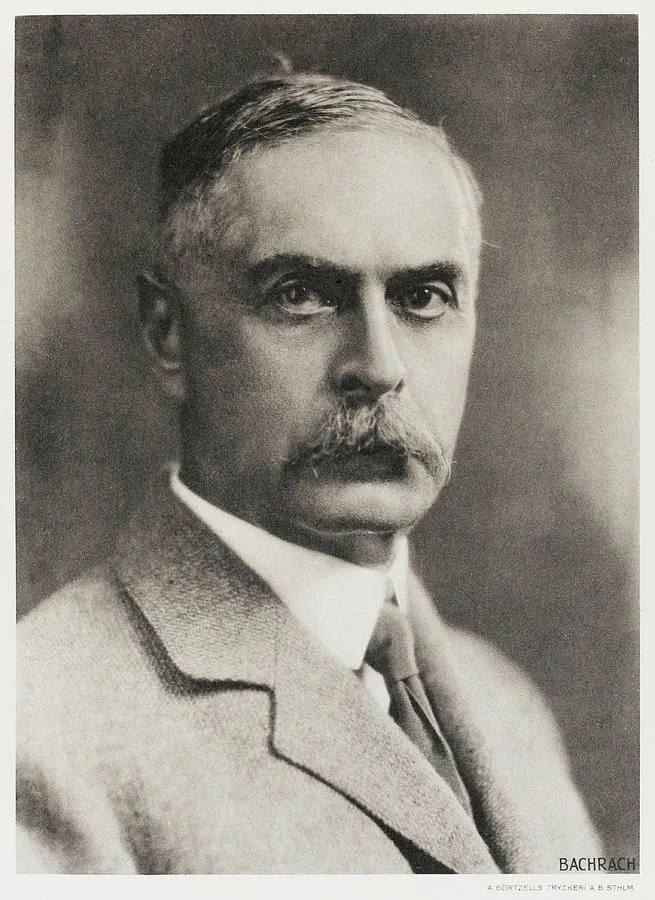

In Japan, the person who linked blood type to personality was Furukawa Takeji, an education scholar at Tokyo Women’s Higher Normal School. In 1927 he published a paper called “A Study of Temperament Through Blood Type” in the journal Shinrigaku Kenkyū (Japanese Journal of Psychology). It was based on a small survey, but it caused a stir, and studies of blood type and temperament followed one after another.
When other researchers checked the idea, however, they found far too many exceptions. In 1933, Furukawa’s theory was rejected at the general meeting of the Japanese Society of Legal Medicine, and the craze faded for a while.
The 1970s revival
Blood type and personality returned to the spotlight nearly 40 years later. In 1971, the writer Nomi Masahiko published Ketsuekigata de wakaru aishō (Compatibility by Blood Type), and it became a huge hit. Nomi went on to publish one related book after another, and the series is said to have sold millions of copies in total.
Nomi was not an expert in medicine or psychology, and his data were never made public in a form that scientists could check. Critics have pointed out that they relied on personal observation and anecdote rather than carefully controlled surveys. Even so, talk of blood types spread through television and magazines and put down deep roots in everyday Japanese conversation.
What data from 10,000 people showed
So what happens when you test it scientifically? In 2014, the social psychologist Nawata Kengo analyzed data from large social surveys conducted in Japan and the United States. They covered Japan in 2004 and 2005 and the United States in 2004—more than 10,000 people in all.
When he compared answers to 68 questions about personality and attitudes across blood types, 65 items showed no meaningful difference. Even where differences appeared, they were tiny: blood type explained less than 0.3% of the differences in personality. The study concluded that blood type and personality are essentially unrelated.
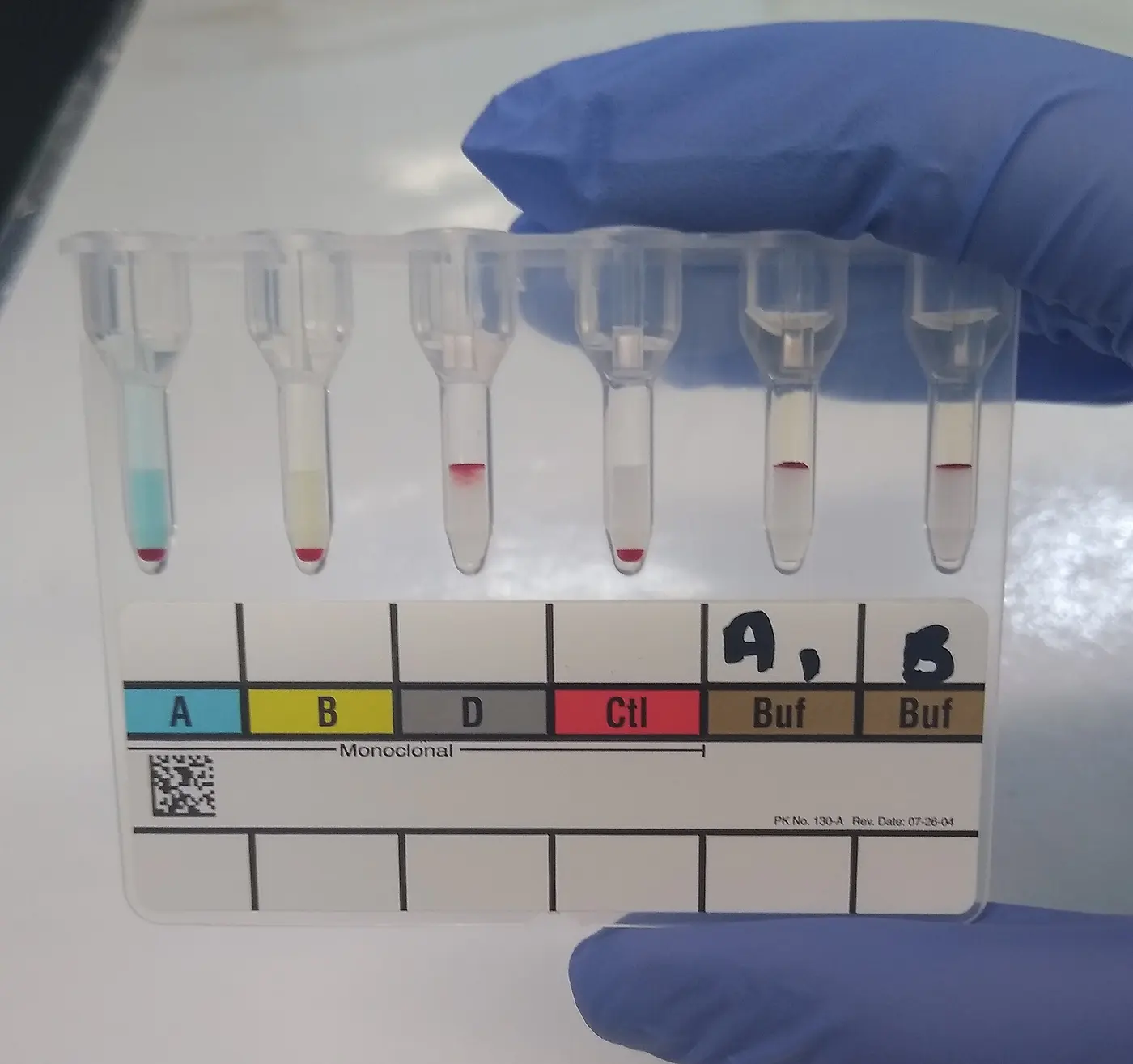

Why does it still feel accurate? One reason is thought to be a quirk of the mind: we remember the cases that fit and forget the ones that don’t. A description like “sometimes meticulous, sometimes careless” fits almost anyone. Researchers have also pointed out that people who know the stereotypes may unconsciously describe themselves in ways that match them.
“Bura-hara”: not just a joke
As a topic for small talk, blood types may seem harmless. But there are cases of people being labeled with “that’s so type B,” children being teased, and people being treated unfairly in job hunting or relationships. In Japan this kind of harassment is called “blood type harassment,” or bura-hara for short.
In 2004, the youth committee of Japan’s Broadcasting Ethics & Program Improvement Organization (BPO) asked broadcasters not to promote the view that blood type determines personality. Programs about blood types had drawn many complaints from viewers, some of whom pointed out that blood-type prejudice was arising at school and in job hunting.