Why does time seem to speed up as we get older?
It may be the share of life a year represents, or how many new memories we make. It isn’t settled.
Every December you hear it everywhere: “Where did this year go?” As children, a summer vacation of about 40 days seemed endless, yet as adults we watch whole years fly by. Plenty of people know that feeling.
Over the years, many explanations have been proposed for the sense that time speeds up as we age. But when researchers actually asked large numbers of people, the picture turned out to be less simple than expected.
What fraction of your life is one year?
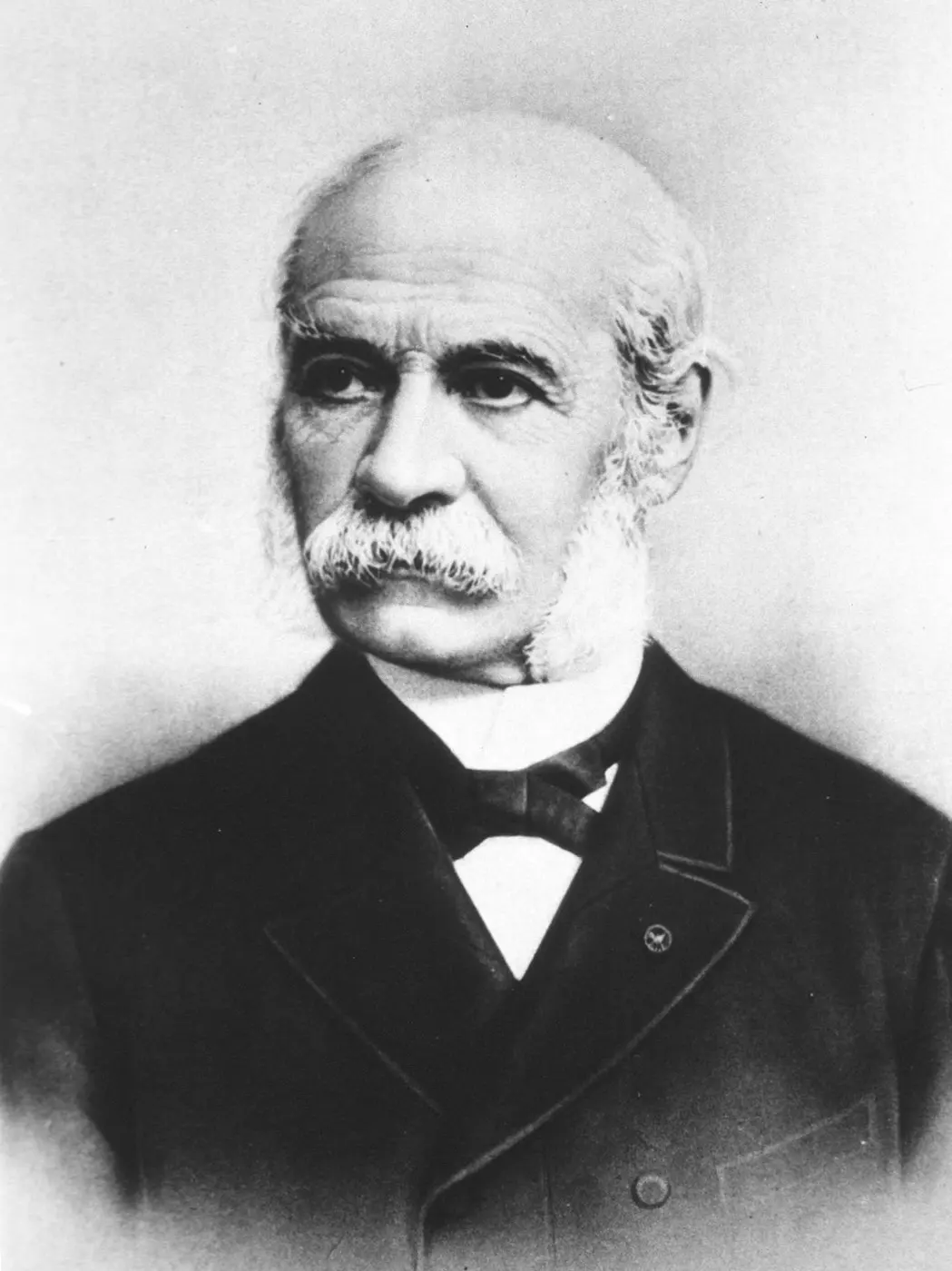
The best-known explanation comes from the 19th-century French philosopher Paul Janet, who put it forward in 1877. To a 10-year-old, one year is a tenth of their life; to a 50-year-old, it is only a fiftieth. If we judge the length of time by comparing it with how long we have lived, then the older we get, the shorter a year should feel.
Partly because his nephew, the psychologist Pierre Janet, introduced the idea in one of his books, it is widely known in Japan as “Janet’s law.”

It is an easy idea to nod along to. But if you apply the proportion literally, a year should feel one-third as long to a 60-year-old as to a 20-year-old. That seems a bit extreme compared with what people actually experience, and it has never been backed up by experiments or surveys. Hardly any psychologists are said to support it as it stands.
Fewer firsts, and the years shrink
Another influential explanation focuses on memory. The American psychologist William James discussed Janet’s idea in his 1890 book The Principles of Psychology, saying that it roughly describes the phenomenon but cannot be a basic law of the mind. He then wrote:
But as each passing year converts some of this experience into automatic routine which we hardly note at all, the days and the weeks smooth themselves out in recollection to contentless units, and the years grow hollow and collapse.
Childhood is crowded with new experiences: the first day of school, the first trip, the first friends. In adulthood, days settle into routine, and fewer events stick in memory. On this view, when we look back over the past year, the less we can remember, the shorter that year feels.
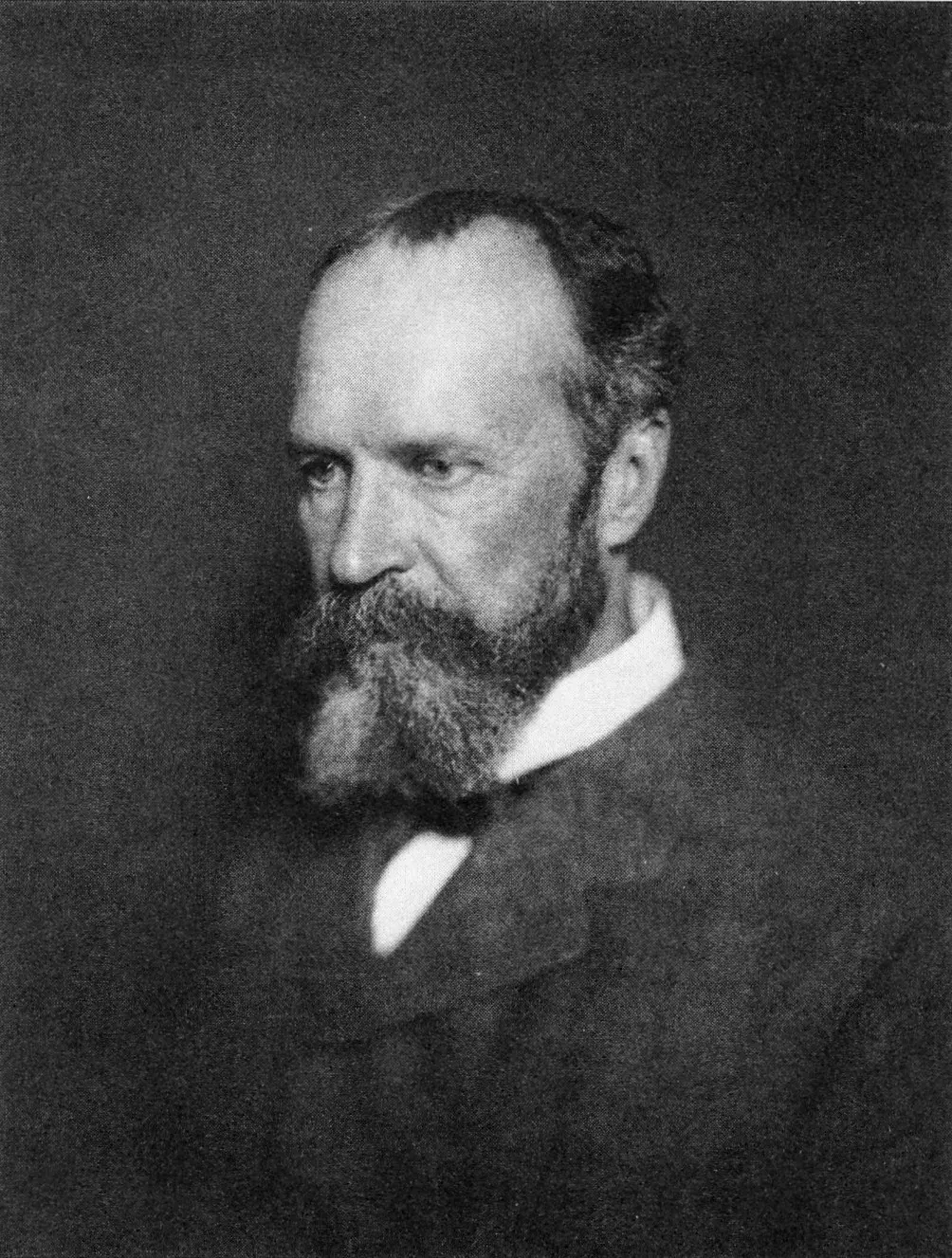

James compared memories of youth to memories of “a time spent in rapid and interesting travel.” On a trip, one new thing follows another and the days rush by, yet looking back afterward, the trip seems to have lasted a long time. How fast time feels in the moment and how long it seems in memory don’t always match.
Smaller age differences than you’d think?
So do older people really feel time passing faster than younger people do? A survey published in 2005 asked 499 people aged 14 to 94 in Germany and Austria how quickly the past week, month and year had gone by. Surprisingly, the differences by age were tiny. The only question that showed a clear difference was “How fast did the last 10 years pass?” The tendency to answer “fast” grew stronger from the teens through the 50s.
In 2010, a study of 1,865 people aged 16 to 80 in two countries found much the same thing. People of every age said that time passes quickly, and the differences between age groups were small. In this study, how fast time seemed to pass was linked less to age itself than to how strongly people felt rushed by everything they had to do.
The feeling that time flies may not belong to the old alone, but to many busy adults. How much of it is explained by proportion, by memory or by busyness is still being researched.