How many times a day do we blink?
Somewhere around 15,000 to 20,000 times during our waking hours, by most estimates.
15–20blinks
Blinking is a movement we barely notice. Yet all day long, for as long as we are awake, our eyelids keep opening and closing without a break. So how many times does that add up to in a single day?
Adults are said to blink about 15 to 20 times a minute. Assume you are awake for 16 hours a day, and simple arithmetic gives you roughly 15,000 to 20,000 blinks a day, or several million a year. That said, how often we blink varies a great deal from person to person and from one situation to the next.
What happens in the blink of an eye
A single blink lasts about 0.1 to 0.4 seconds. Japanese has a word for a fleeting moment, matataku ma (瞬く間), literally “the space of a blink,” much as English says something happened “in the blink of an eye.” Either way, it is over almost before it begins.
A blink’s most important job is to keep the surface of the eye moist. Each time the lids close, they spread a thin film of tears across the eye, preventing it from drying out and washing away tiny specks of dust and grit. Think of it as a windshield wiper for the eye.
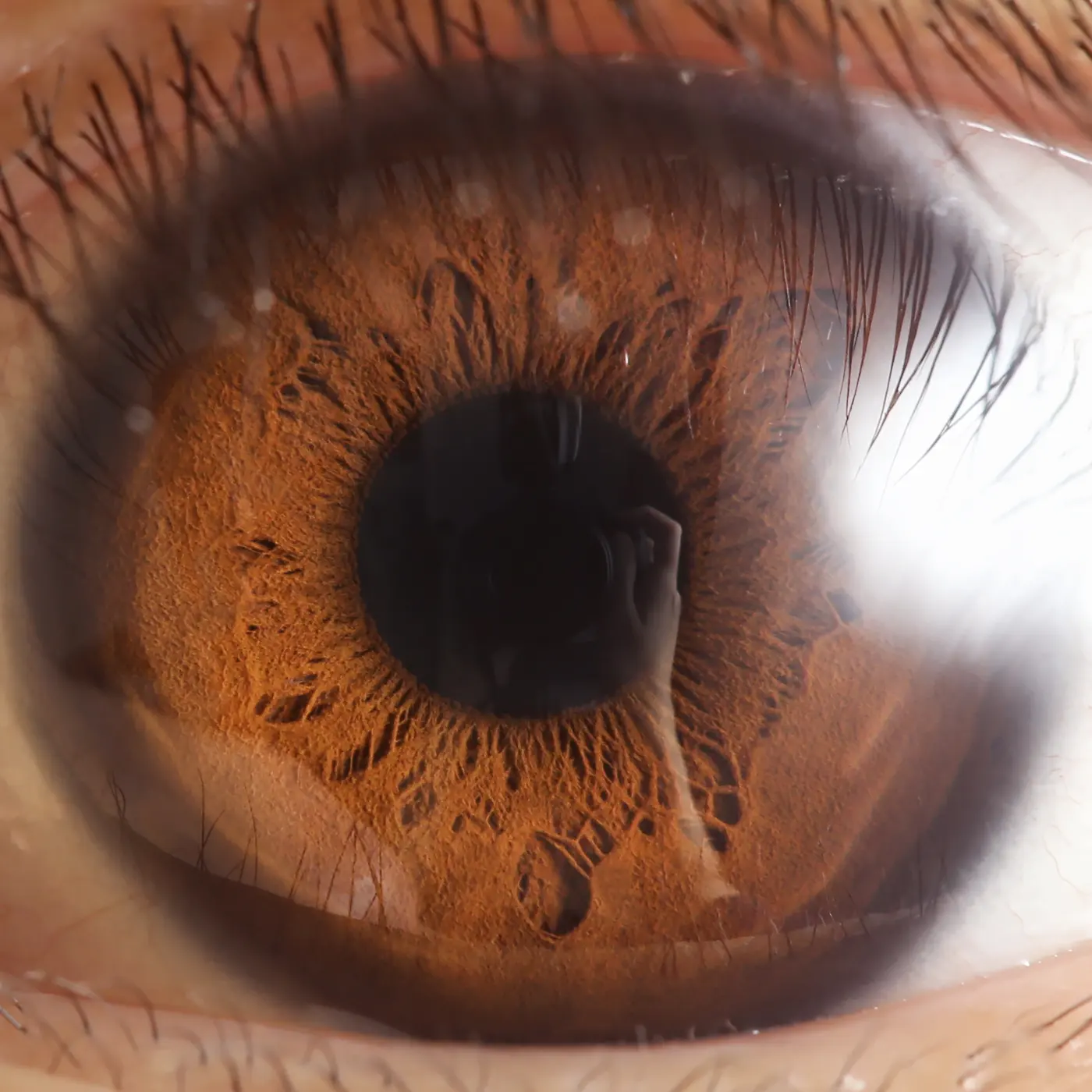

Broadly speaking, there are three kinds of blink: the spontaneous kind that happens without our noticing, the reflex kind that snaps the eyes shut when something comes close, and the voluntary kind we make on purpose. The vast majority of our more than 10,000 daily blinks are the first, spontaneous kind.
Screens make us blink less
How often we blink depends heavily on what we are doing, and it drops most sharply when we are concentrating.
According to a study reported by Japanese researchers in the 1990s, people who blinked a little over 20 times a minute while relaxed blinked about 10 times a minute while reading a book and only about 7 times a minute while looking at a computer screen. This drop in blinking is thought to be one reason our eyes tend to feel dry after staring at a screen.
Newborn babies, on the other hand, blink very little, perhaps only a few times a minute by some accounts. Why babies blink so rarely is still not clearly understood.
Close your eyes, and the world stays bright
If we shut our eyes a dozen or more times a minute, for at least a tenth of a second each time, our view of the world ought to keep going dark. Yet we almost never notice things dimming when we blink.
This is thought to be because the brain briefly suppresses the processing of visual information at the moment of each blink. It quietly papers over the split-second “gap” when light is cut off. Thanks to that, we experience the world as smooth and unbroken.
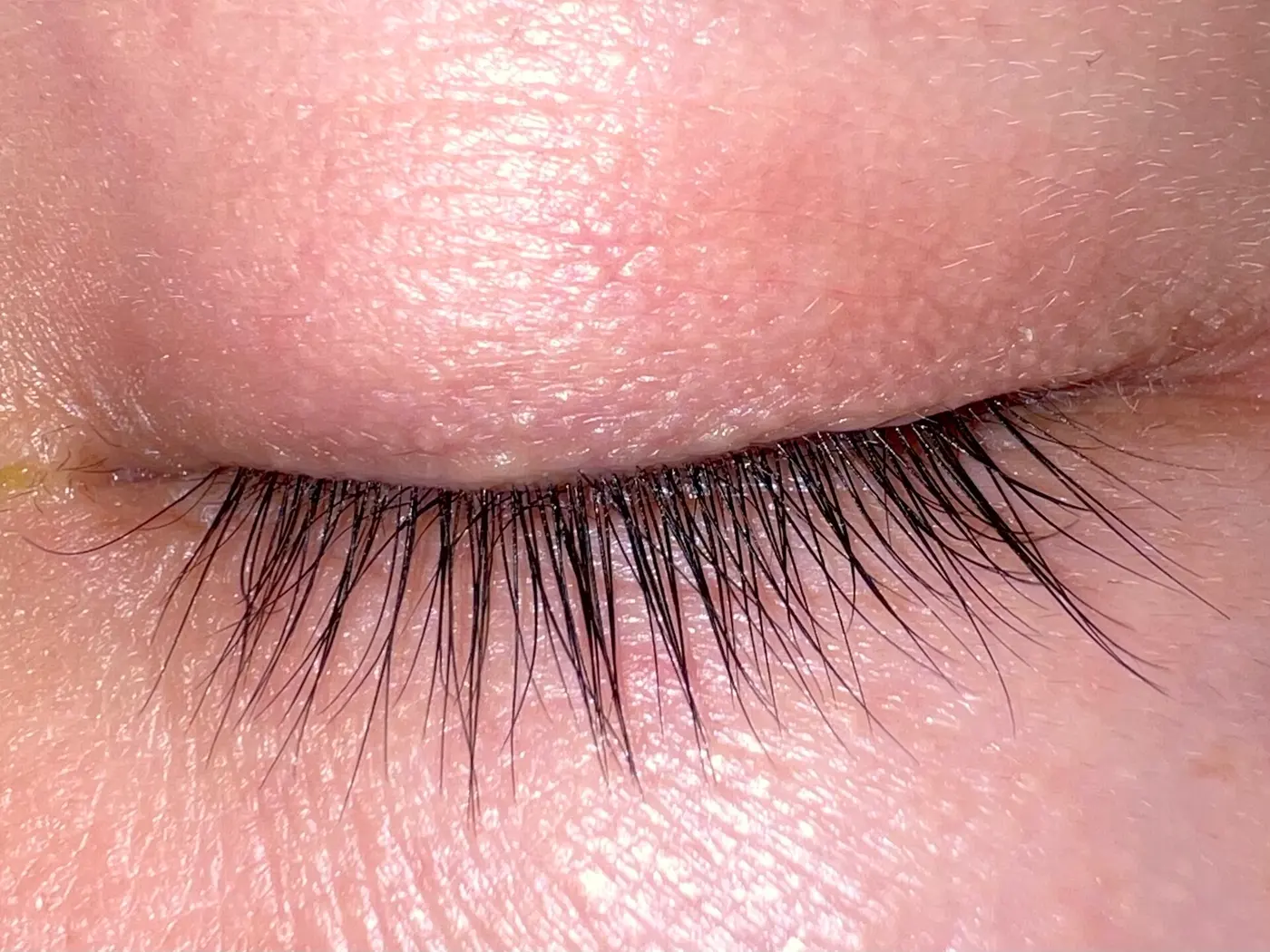

Is a blink punctuation for the mind?
Some researchers have wondered whether blinking means something more than keeping the eyes moist.
A research team including scientists from Osaka University showed people clips from the British comedy Mr. Bean and tracked when they blinked. They found that viewers tended to blink in sync at moments when nothing important would be missed, such as when a character finished an action or when the main character left the screen.
A further study published in 2012 reported that when people blinked while watching a video, activity dropped in the brain network that directs attention to the outside world, while activity rose in the network that switches on when the mind drifts inward. A blink may work something like a punctuation mark in a sentence, briefly resetting our focus.