Why do we have a dominant hand?
No one knows for sure. Genes play a part, but so do development in the womb and environment.
10.6%
Scissors, Japanese teapots with their side handles, automatic ticket gates at train stations, spiral-bound notebooks. Many of the everyday objects around us are designed on the assumption that they will be used with the right hand. That alone tells you how firmly right-handers are in the majority.
But why do people have a dominant hand at all, and why is it usually the right? The two hands we switch between so casually every day still hold plenty of unsolved mysteries.
About one in ten people is left-handed
How many people are left-handed? In 2020, a large analysis was published that pooled data from 200 studies around the world, covering about 2.4 million people in total.
It found that the proportion of left-handers ranged from about 9 to 18 percent, depending on how “left-handed” was defined, with the best estimate at about 10.6 percent. That’s roughly one person in ten. The analysis also confirmed a tendency for men to be slightly more likely than women to be left-handed.
The numbers vary by region, too. In societies where using the left hand was frowned upon, or where children were often retrained to use their right, the share of left-handers is known to come out lower. Handedness reflects not only what we are born with but also the influence of culture.
Humans have been right-handed for ages
The tilt toward right-handedness is nothing new.
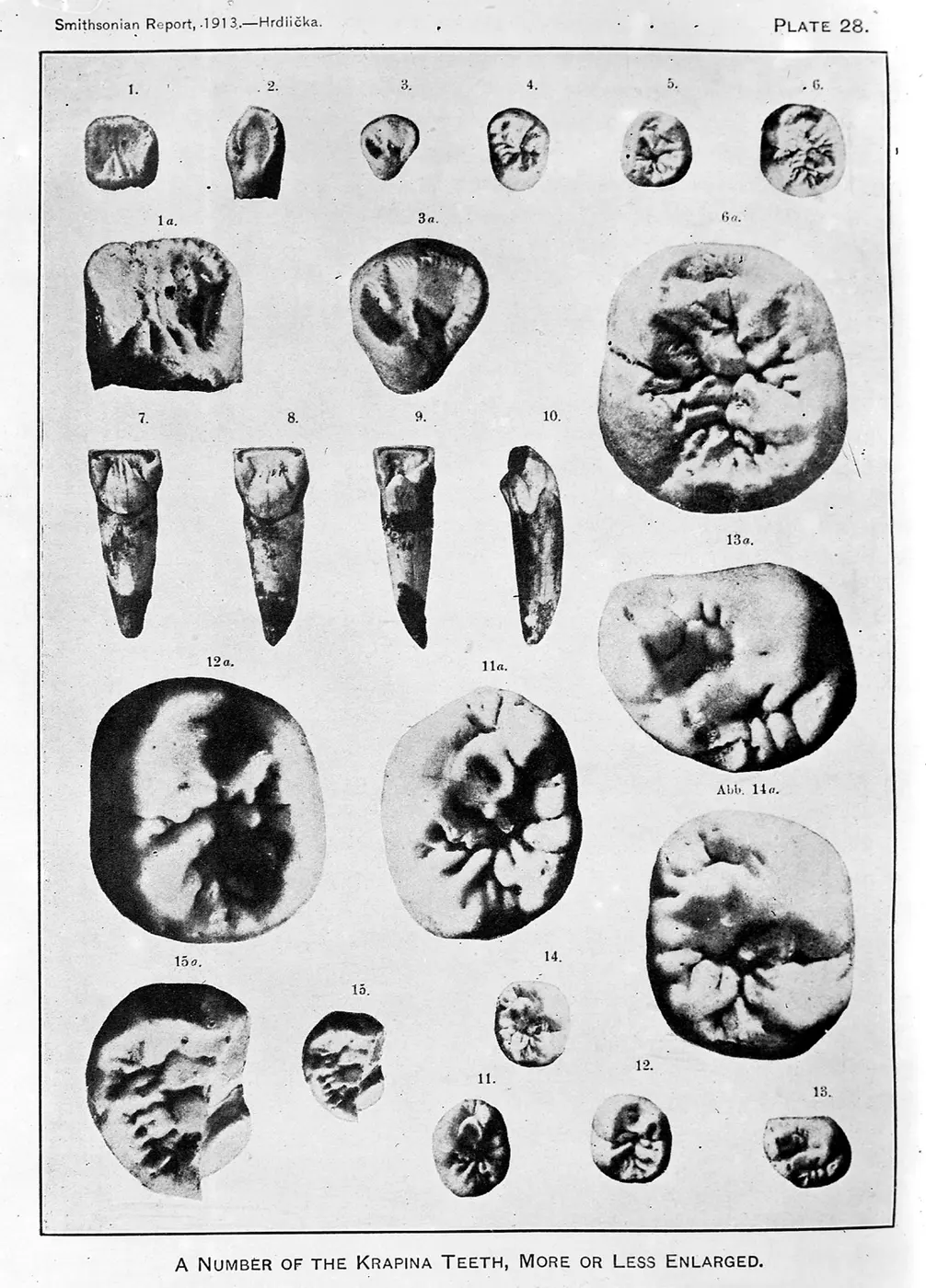
The clue came from Neanderthal teeth. Neanderthals are thought to have held meat and other food in their mouths, pulled it taut with one hand, and cut it with a stone tool held in the other. When the tool slipped, it left fine scratches on the surface of their front teeth, and the direction of those scratches reveals which hand held the tool. The analysis showed that almost all of them were right-handed.

It is not unusual for other animals to have a favored hand or foot as individuals. But a case as clear-cut as ours, in which the great majority of a population leans to the same side, is said to be rare. One theory links it to the way language processing is concentrated on the left side of the brain, but the relationship between the two appears to be anything but simple.
It starts in the womb
So when is handedness decided? It is tempting to assume we pick it up through experience after birth, but that doesn’t seem to be the case.
Researchers in Northern Ireland used ultrasound to watch babies in the womb and reported that about 90 percent of fetuses suck their right thumb. When they followed the children whose thumb-sucking had been recorded until they were 10 to 12 years old, every one of those who had sucked their right thumb had become right-handed.
There are also reports of a left-right imbalance in arm movements in fetuses as young as about 10 weeks. Because this comes before the brain systems that finely control arm movements have fully developed, some researchers suspect that the development of parts outside the brain, such as the spinal cord, plays a role in the origins of handedness.
Genes aren’t the whole story
Is handedness determined by genes, then? Studies of twins and families put the genetic contribution at about 25 percent of the whole. That is far from trivial, but it means most of the rest comes down to factors other than genes. Indeed, it is not unusual for identical twins, who share nearly the same genes, to include one right-hander and one left-hander.
In 2021, a study that examined genetic data from about 1.7 million people found several dozen regions of the genome linked to handedness. Even so, each one had only a tiny effect. Handedness seems to take shape as the small effects of many genes combine with little accidents of development in the womb and with the environment we grow up in.


Handedness is not a single switch set to “right” or “left.” It emerges from the build-up of many small factors.