Why do we get hiccups?
The diaphragm suddenly contracts and the vocal cords snap shut right after. What hiccups are for is still a mystery.
68years
You wolf down a meal or gulp a fizzy drink, and suddenly your body jolts with a “hic!” Hiccups are one of the most familiar things the human body does. Adults and children alike have had them.
Yet while scientists now understand fairly well how hiccups happen, there is still no definitive answer to why they happen at all. Every so often, our bodies dutifully repeat a movement whose purpose nobody knows.
What’s behind the “hic”
The star of the show is the diaphragm, the dome-shaped muscle that separates the chest from the abdomen. In normal breathing, the diaphragm contracts and moves down, expanding the lungs and drawing air in.
During a hiccup, the diaphragm contracts suddenly, in a kind of spasm, with no input from you. Air rushes into the back of the throat. Then, a split second later—about 0.035 seconds—the gap between the vocal cords snaps shut, slamming the brakes on the airflow. That is what makes the familiar “hic.”
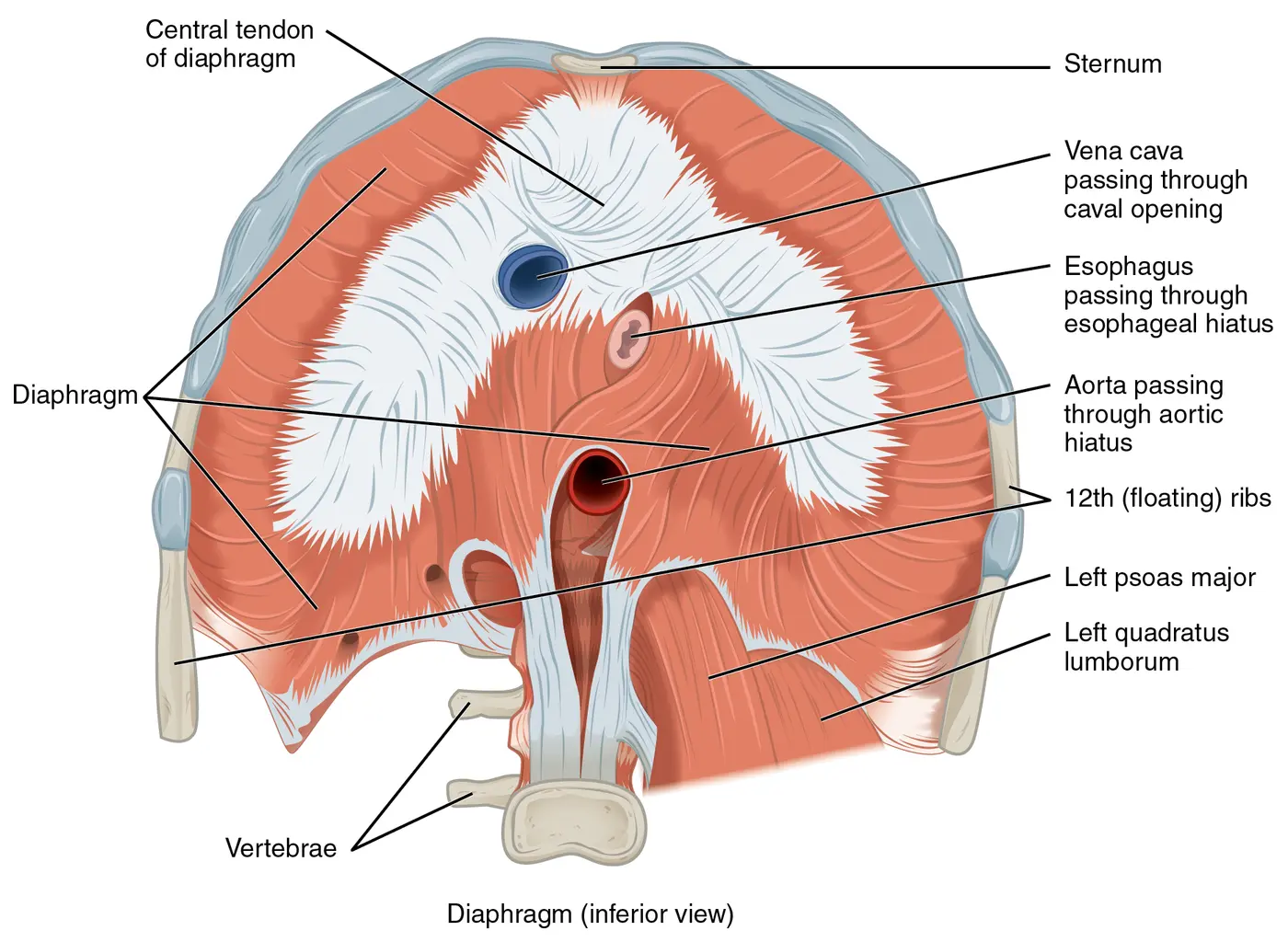

Hiccups are thought to be a reflex relayed through the brainstem, deep in the brain. The phrenic nerve, which drives the diaphragm, and the vagus nerve, which connects to the stomach and other internal organs, serve as the pathways for this reflex.
Many possible triggers
Well-known triggers include eating too fast or too much, carbonated drinks and alcohol, and suddenly taking in something very hot or very cold. The idea is that when the stomach swells abruptly, it irritates the diaphragm just above it and the nerves running nearby.
Hiccups can also strike after a big laugh, or when your heart is racing from nerves or excitement. In most cases they stop on their own within a few minutes, or at most a few hours.
There are plenty of time-honored cures: holding your breath, drinking a glass of water in one go, getting someone to startle you. Lots of people try them, but none has been scientifically proven to work reliably. Often, perhaps, the hiccups only seem to stop because the remedy happened to coincide with the moment they were about to stop anyway.
A leftover from gill breathing?
So what are hiccups for? There are several hypotheses.
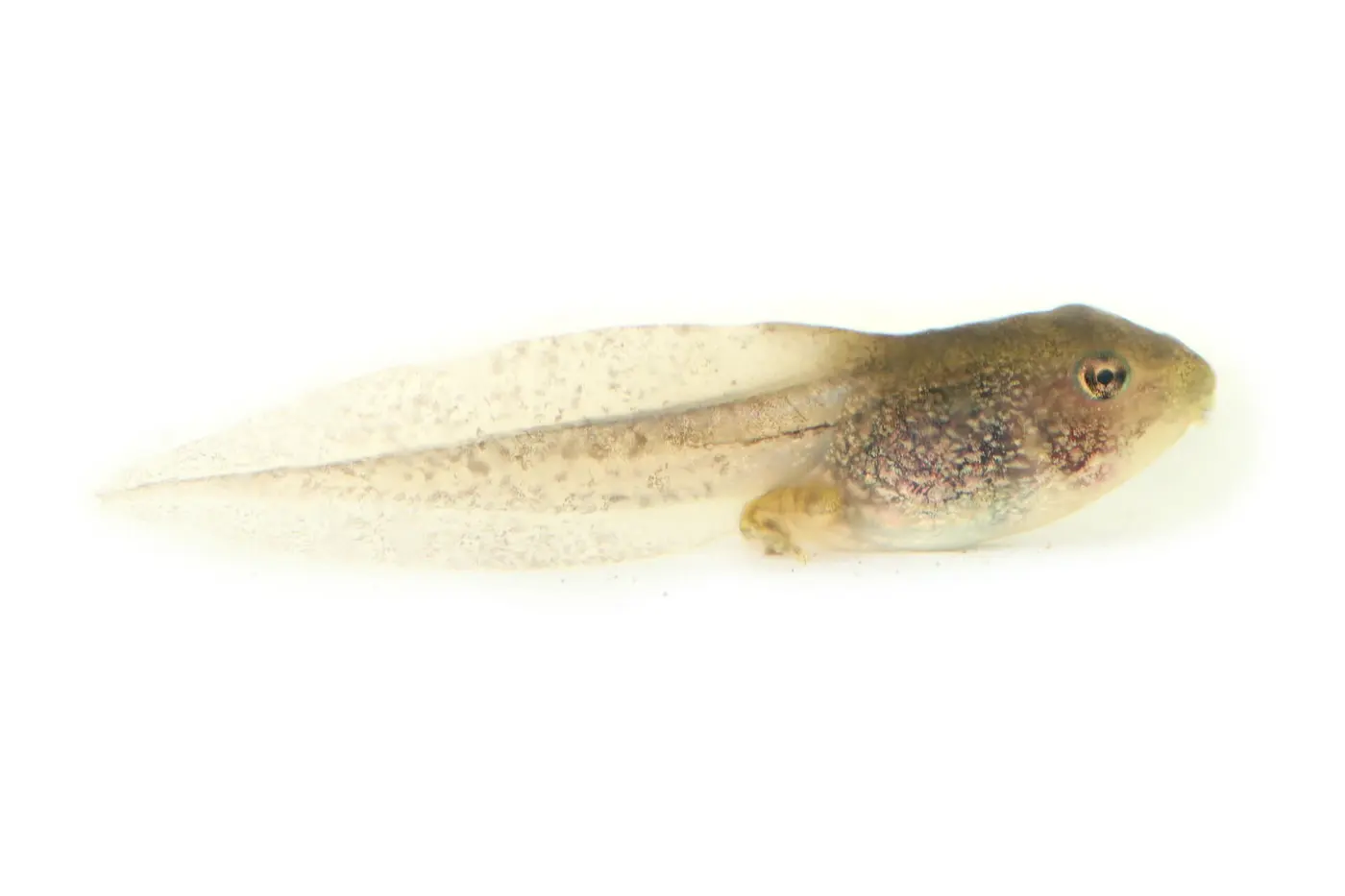
One holds that they are a holdover from the days when our ancestors still lived in water. A hypothesis published in 2003 pointed out that the muscle and nerve activity a tadpole uses to breathe with its gills closely resembles a human hiccup. A tadpole pumps water over its gills while closing off the entrance to its lungs so no water gets in. Perhaps, the idea goes, that ancient breathing routine still lies dormant in our brains.

Another line of thinking focuses on babies. Hiccups have been observed in fetuses still in the womb, from around the ninth week of pregnancy, and newborns hiccup a lot.
In 2019, a research team at University College London reported that each time a newborn hiccups, it triggers a large response in the brain. The team thinks hiccups may help the brain learn how to control the breathing muscles. Adult hiccups, then, may be the remnant of a reflex that finished its job as we grew up.
When to see a doctor
Ordinary hiccups are nothing to worry about, but occasionally they go on for a long time. Doctors distinguish between “persistent hiccups,” which last more than 48 hours, and “intractable hiccups,” which last more than a month.
Long-lasting hiccups can sometimes point to an underlying problem, such as a digestive or neurological condition or a side effect of medication. If your hiccups haven’t stopped after two days or more, or if they’re interfering with daily life, don’t try to tough it out with home remedies; see a doctor.
According to Guinness World Records, the longest bout of hiccups belongs to an American man named Charles Osborne. His hiccups are said to have started in 1922 and continued until 1990—68 years in all.