Do we really use only 10 percent of our brains?
No. There is no unused part of the brain; every region gets put to work depending on what we’re doing.
20%
“We only use 10 percent of our brains.” Most of us have heard it at some point. Learn to tap the other 90 percent, the story goes, and your memory and focus will soar. It’s an appealing idea, and it has even inspired films: in the 2014 movie Lucy, a woman who unlocks 100 percent of her brain’s capacity gains superhuman powers.
Neuroscience, however, is clear on this one. It’s a myth with no basis in fact.
An energy-hungry organ
The first clue is the brain’s fuel consumption. An adult brain weighs about 1.3 kilograms (just under 3 pounds), only around 2 percent of body weight. Yet this small organ uses roughly 20 percent of the body’s energy.
If 90 percent of the brain sat idle, that would be an astonishing waste. Over the long course of evolution, living bodies have been honed to cut costs that don’t pay their way. It is hard to imagine that a huge mass of unused tissue, constantly draining energy to keep alive, would have survived that process.
Activity all over the brain
Since the late 20th century, technologies such as PET (positron emission tomography) and fMRI (functional magnetic resonance imaging) have let scientists observe the working brain of a living person from the outside. Whenever we look at something, speak or move a hand, these scans capture activity rising in many different parts of the brain.
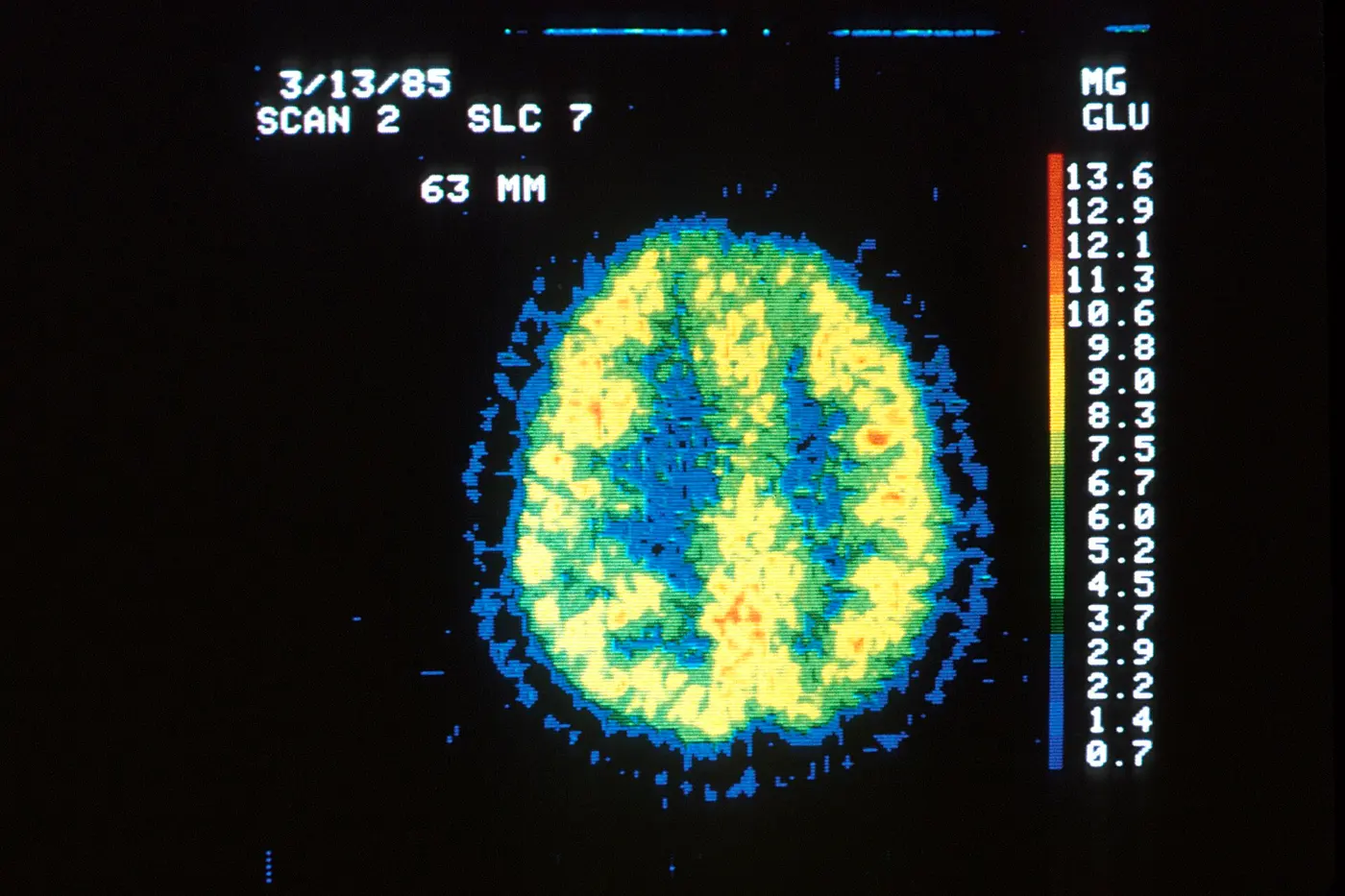

When only part of a scan lights up, it’s tempting to think “that’s the only part being used.” But in most such images, the colors highlight places where activity has increased above its usual level. The uncolored areas aren’t resting. Even when we sit still doing nothing, or when we’re asleep, the brain as a whole keeps working.
Brain injuries and illnesses tell the same story. When a stroke or other damage strikes the brain, almost wherever it happens, there are consequences: trouble finding words, difficulty moving a hand or leg, changes in emotion. Nobody has found the “unused 90 percent” that could be damaged without any effect.
Not everything fires at once
That doesn’t mean we use 100 percent of our brains at every moment, though. The brain contains about 86 billion nerve cells, or neurons, along with an estimated similar number of supporting cells called glia. But not all of those neurons are firing furiously at the same time. By dividing up the labor, so that the cells needed for a given task are the ones that work, the brain processes information efficiently.
In fact, when huge numbers of neurons become overexcited all at once, the result is something like an epileptic seizure. Using everything at the same time wouldn’t boost your abilities; it would be a problem for the brain.
Where did the myth come from?
So where did the idea originate? The truth is, nobody knows for sure. It is sometimes attributed to Albert Einstein, but that attribution is considered baseless.
One name that often comes up is William James, the American psychologist active in the late 19th and early 20th centuries. He said, in effect, that people make use of only a small fraction of their mental resources. But he meant it as encouragement that we can develop our potential further, not as a statement about some percentage of the brain.
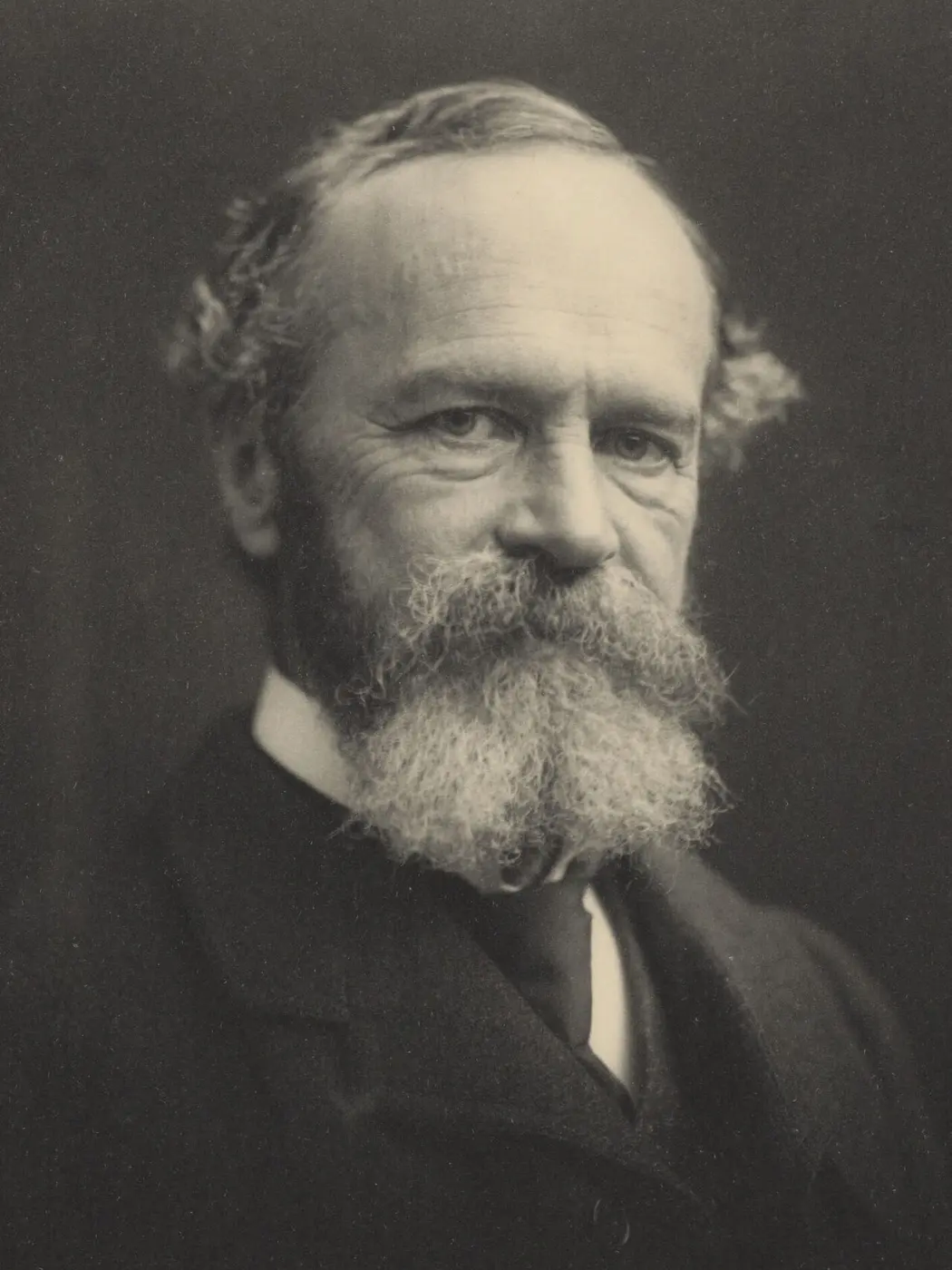

One step in the idea’s attachment to a number is said to have come in 1936, with the publication of Dale Carnegie’s How to Win Friends and Influence People. In the preface, the writer Lowell Thomas stated that “Professor William James of Harvard used to say that the average man develops only ten percent of his latent mental ability.” Somewhere along the way, “10 percent of our ability” may have quietly turned into “10 percent of our brain.”
Other factors have been suggested too, such as the old belief that glial cells, which make up much of the brain’s cell count, didn’t do very much. None is conclusive. Yet the myth endures: in a study published in 2012, 48 percent of teachers surveyed in the UK and 46 percent in the Netherlands agreed with it.