Did tempura come from Portugal?
The batter-frying style and the name are thought to be Portuguese. But Japan was frying food long before that.
Shrimp and seasonal vegetables in a thin coat of batter, fried crisp in hot oil. Tempura ranks with sushi and soba as one of the signature dishes of Japanese cuisine, and the word “TEMPURA” is now a familiar sight at Japanese restaurants abroad.
Say “tempura” out loud in Japanese, though, and it has a curious ring. Neither “ten” nor “pura” is a sound combination you hear much elsewhere in the language. That is no accident: the most widely held view is that the name came from across the sea.
Fried food on Portuguese ships
In the mid-16th century, Portuguese ships began arriving in Japan. The Japanese called these visitors nanbanjin, “southern barbarians,” and along with guns and Christianity they brought all sorts of foods, from bread to castella sponge cake.
Among them was a way of cooking: coating food in a batter of flour and egg and frying it in oil. It is said to have been passed on by Portuguese missionaries in Nagasaki toward the end of the 16th century. Portugal still has a dish called peixinhos da horta, “little fish from the garden”: green beans dipped in batter and fried. It was traditionally eaten during periods when Catholics abstained from meat, and it is often described as a relative of tempura.
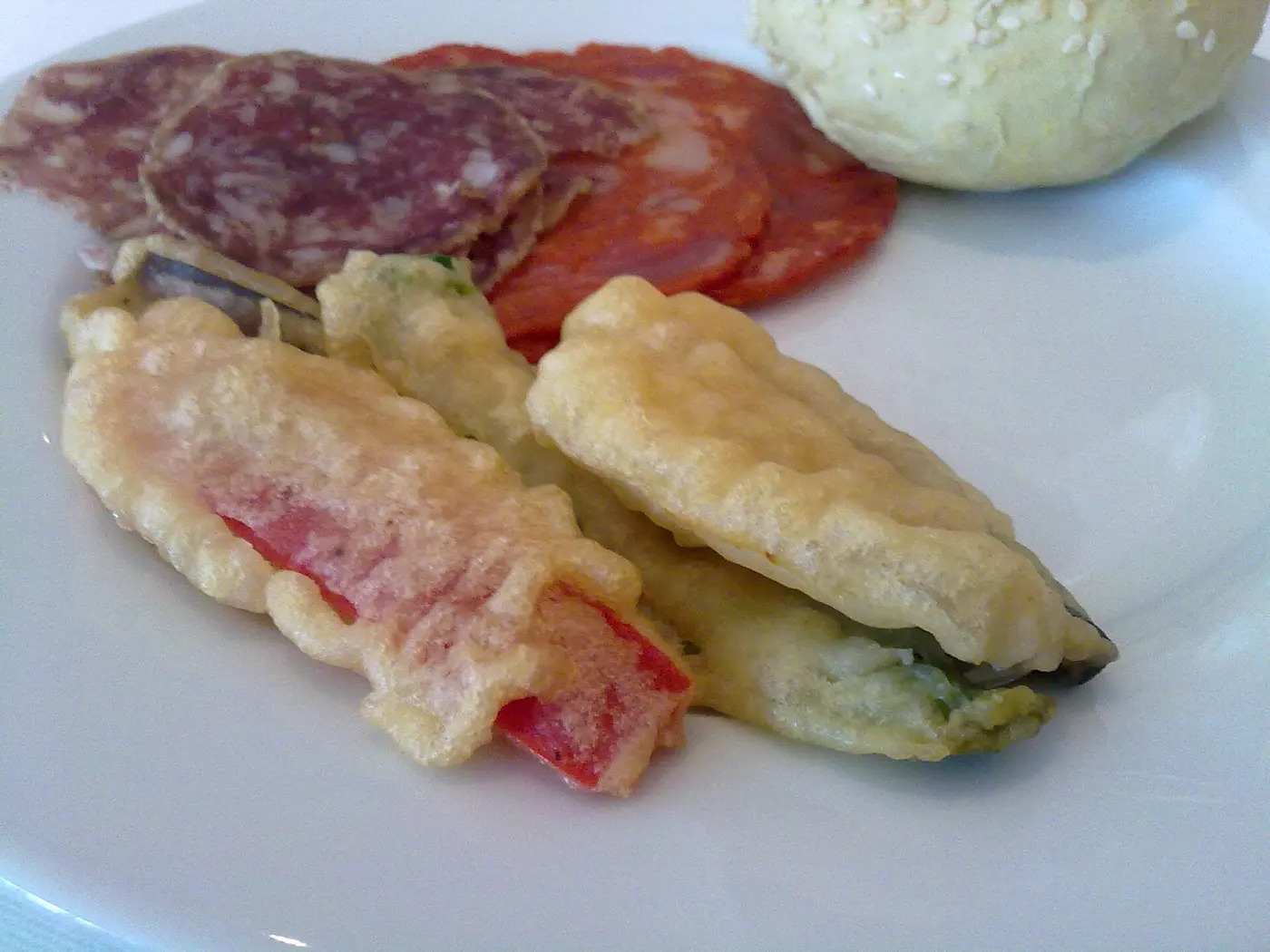

Dishes like this gave rise to Nagasaki tempura, a local specialty of Nagasaki. Its batter is seasoned with sugar and sake, so it is eaten plain with no dipping sauce. Early tempura is thought to have had this kind of seasoned batter.
Named for fast days, or for seasoning?
There are several theories about where the word “tempura” comes from, but most trace it to Portuguese.
A well-known one points to the Portuguese têmporas. In the Catholic Church, the word refers to the Ember Days, seasonal days of fasting and prayer when meat was avoided; it derives from a Latin word meaning “times.” Because fried fish and vegetables were eaten in place of meat on those days, the theory goes, the name passed to the food.
Another strong candidate is tempero, meaning “seasoning” or “flavoring,” or the verb temperar, “to season.” The Oxford dictionaries favor the tempero theory. There are other ideas as well, including one that links it to templo, “temple,” and the question remains unsettled.
The name, written “tenfura,” is said to appear in print for the first time in Shokudōki, a book published in 1669.
Japan was frying before the Portuguese came
Still, it would be hasty to conclude that the Portuguese introduced fried food to Japan.
Between the Nara (710–794) and Heian (794–1185) periods, confections called karakudamono, “Tang sweets,” arrived from China. They were made by shaping dough of wheat flour and the like and frying it in oil, and fried sweets descended from them still survive in Kyoto. From the Kamakura period (1185–1333) on, the vegetarian cooking of Zen temples also spread the technique of frying vegetables in oil.
In short, frying in oil was in Japan long before the southern barbarians arrived. It seems fair to say that what came from Portugal was the style of frying food in a flour-and-egg batter, along with the name “tempura.” And because the cooking technique came first, cookbooks of the Edo period (1603–1868) used “tempura” for a variety of fried foods. That is said to be why, in parts of western Japan, “tempura” still means satsuma-age, a fried fish cake made from ground fish paste.
Did tempura kill Tokugawa Ieyasu?
The most famous tempura story concerns the death of Tokugawa Ieyasu, founder of the Tokugawa shogunate. Supposedly he ate sea bream tempura, came down with food poisoning, and died of it.
It is considered a fact that Ieyasu ate fried sea bream on the 21st day of the first month of 1616 by the old lunar calendar. The dish was introduced to him as a new delicacy that was all the rage in Kyoto by Chaya Shirōjirō, a wealthy merchant: sea bream fried in kaya (torreya nut) oil and topped with grated garlic chives. It had no batter, though; today we would call it something closer to karaage.
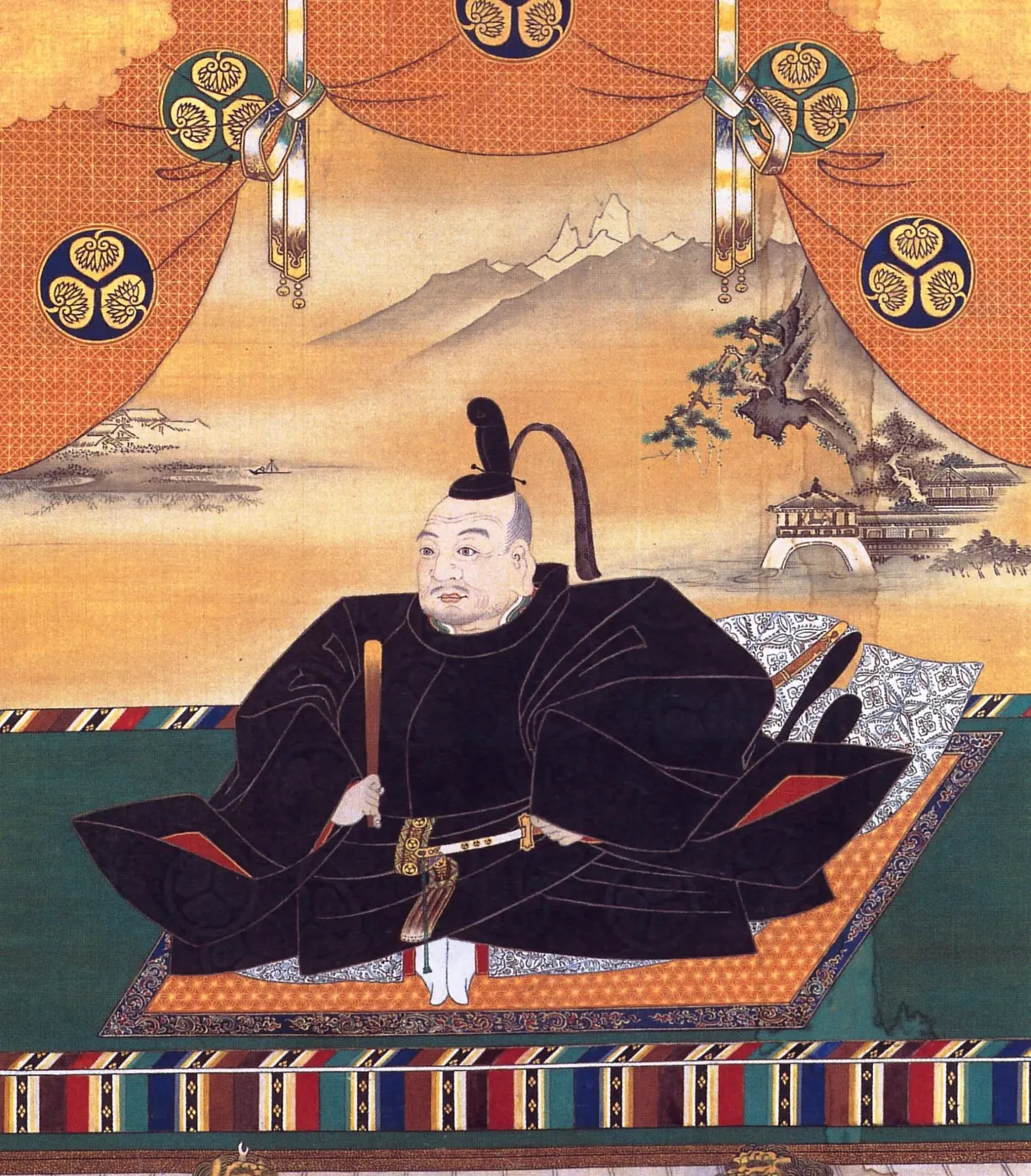

Ieyasu died on the 17th day of the fourth lunar month, nearly three months later. That is far too long a gap for food poisoning to be the cause. Based on recorded symptoms, including rapid weight loss and a large lump in his abdomen, the leading theory today is that he died of stomach cancer. Tempura, it seems, may have been wrongly accused.