Is the famous story of how potato chips were invented true?
The famous tale looks like a later embellishment, and similar recipes existed before 1853.
Tear open the bag and out wafts that smell of oil and salt. Eat one chip and you can’t stop. The potato chip comes with a famous origin story, told all over the world, in trivia books, on snack-food websites and around dinner tables.
The setting is 1853, in the resort town of Saratoga Springs, New York. A customer keeps sending back his fried potatoes, complaining that they are too thick. Fed up, the cook slices the potatoes so thin they can’t be speared with a fork, fries them and sends them out, and they are a huge hit. And so the potato chip was born. It is a satisfying, well-crafted tale, with a clear villain, a clever twist and a happy ending. But how much of it is true?
The legend of the angry chef’s revenge
The hero of the story is usually said to be George Crum, a cook at Moon’s Lake House, a restaurant on the shore of Saratoga Lake. His real name was George Speck, and he was known locally as a skilled cook. He later opened a restaurant of his own.
According to the story, Crum, out for revenge, sliced the potatoes so thin you could see through them, fried them crisp and doused them with salt. To everyone’s surprise, the customer was delighted. Other diners began ordering the same thing, the story goes on, and the dish became the restaurant’s specialty. A moment of spite, in other words, turned into one of the world’s favorite snacks.
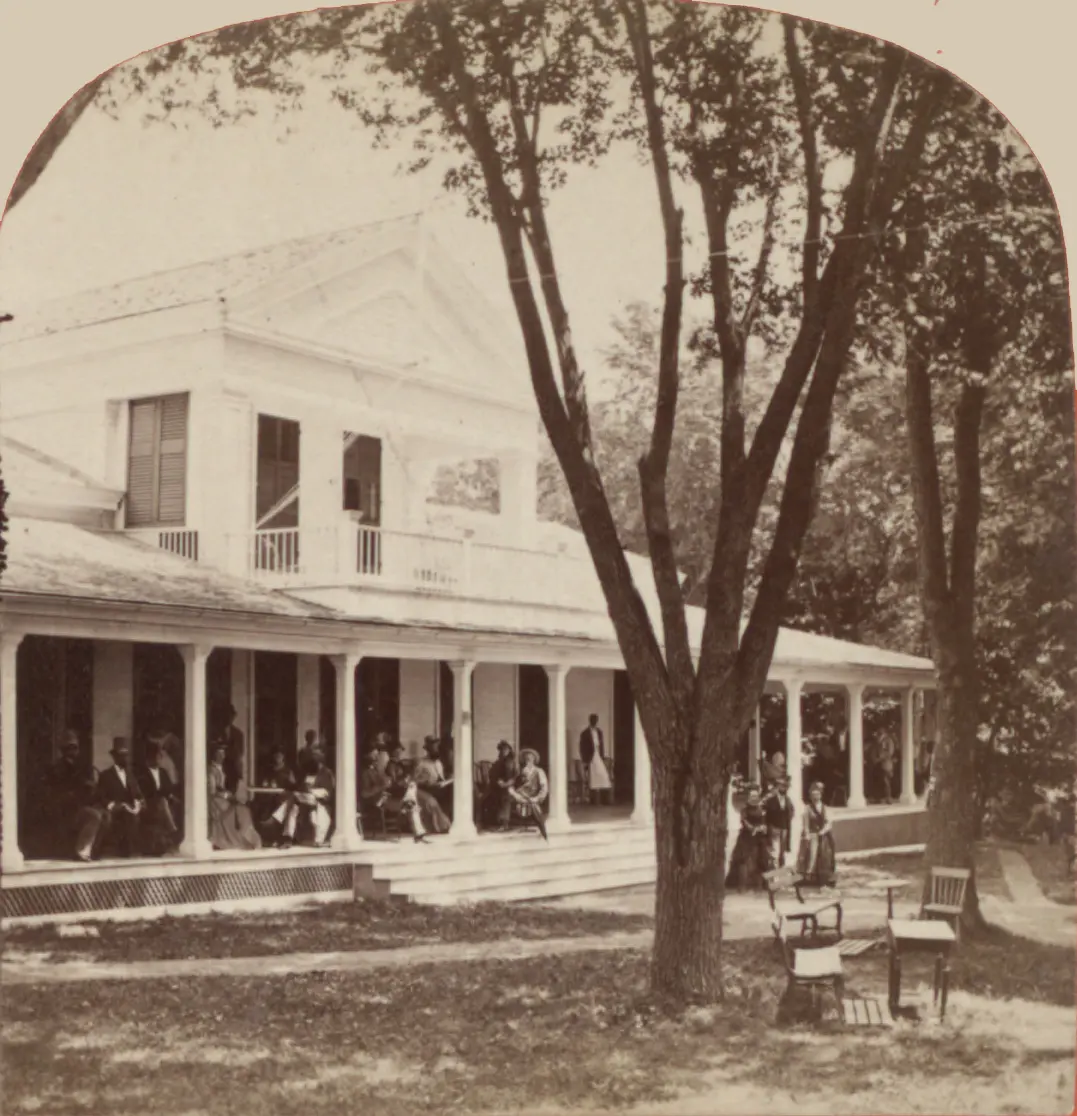

As the story was retold, it picked up embellishments. The complaining customer, for instance, became the tycoon Cornelius Vanderbilt. But none of these details can be confirmed by records from the time, and they are thought to be later additions. A famous name makes a good story even better, which may be exactly why it was attached.
Recipes from before 1853
The strongest challenge to the story comes from old cookbooks. In 1817, the English cookery writer William Kitchiner published a cookbook called The Cook’s Oracle, which already includes a dish of thinly sliced fried potatoes. The 1822 edition describes shaving the potatoes into thin ribbons, round and round, “as you would peel a lemon,” drying them well with a cloth and frying them in lard. That is very nearly a potato chip, described more than thirty years before the supposed invention. Incidentally, in Britain these thin fried potatoes are still called “crisps,” and “chips” means the thick-cut fried potatoes Americans call French fries.
The recipe crossed the Atlantic and appeared, credited to Kitchiner, in Mary Randolph’s cookbook The Virginia House-Wife, published in the United States in 1824. In other words, by 1853 the basic idea of frying thinly sliced potatoes was already known on both sides of the Atlantic. Whatever happened in Saratoga, it could not have been the very first time anyone fried a thin slice of potato.
So who was the real star?
To complicate things further, there is more than one candidate for “inventor” even in Saratoga. One theory holds that Crum’s sister, Kate Wicks, who worked at the same restaurant, came up with the dish, and some researchers consider her claim the stronger one. If so, the hero of the famous story may be the wrong person entirely.
The dramatic story crediting Crum as the inventor only became widely told decades after 1853.
What’s more, no record has been found of Crum himself ever claiming to have invented chips. When Kate died in 1924, a local newspaper’s obituary reportedly said that she had been the first to invent and fry the famous Saratoga chips.
Even so, Saratoga is not irrelevant to the history of the potato chip. In the late 19th century, “Saratoga chips” became widely known as the resort’s specialty, and thin fried potato slices spread across the United States. Even if Saratoga wasn’t where they were invented, it may well have been what sparked their popularity.


Anecdotes tend to get smoother every time they are passed on. They acquire a clear villain and a clear hero, and become a little more entertaining with each telling. The story of the potato chip’s birth may be a textbook example. It is worth remembering the next time you open a bag.