Was carbonara really a charcoal burners’ dish?
There’s no solid evidence for the charcoal-burner story. Recipes appear only in the 1950s; its origin is disputed.
A rich, silky sauce of egg yolk and cheese. The salty crunch of crisp-fried pork and the bite of coarsely ground black pepper. Carbonara has become one of the most familiar pastas in the world, Japan included. It is known as a Roman specialty, and many people picture it as a traditional dish that has been eaten for centuries.
Look into its history, though, and it turns out to be surprisingly young. And the question of where its name came from is still unsettled.
The mystery of “charcoal burner’s style”
In Italian, carbone means “charcoal,” and carbonaro means a charcoal burner or a charcoal seller. Spaghetti alla carbonara translates literally as “spaghetti, charcoal burner’s style.”
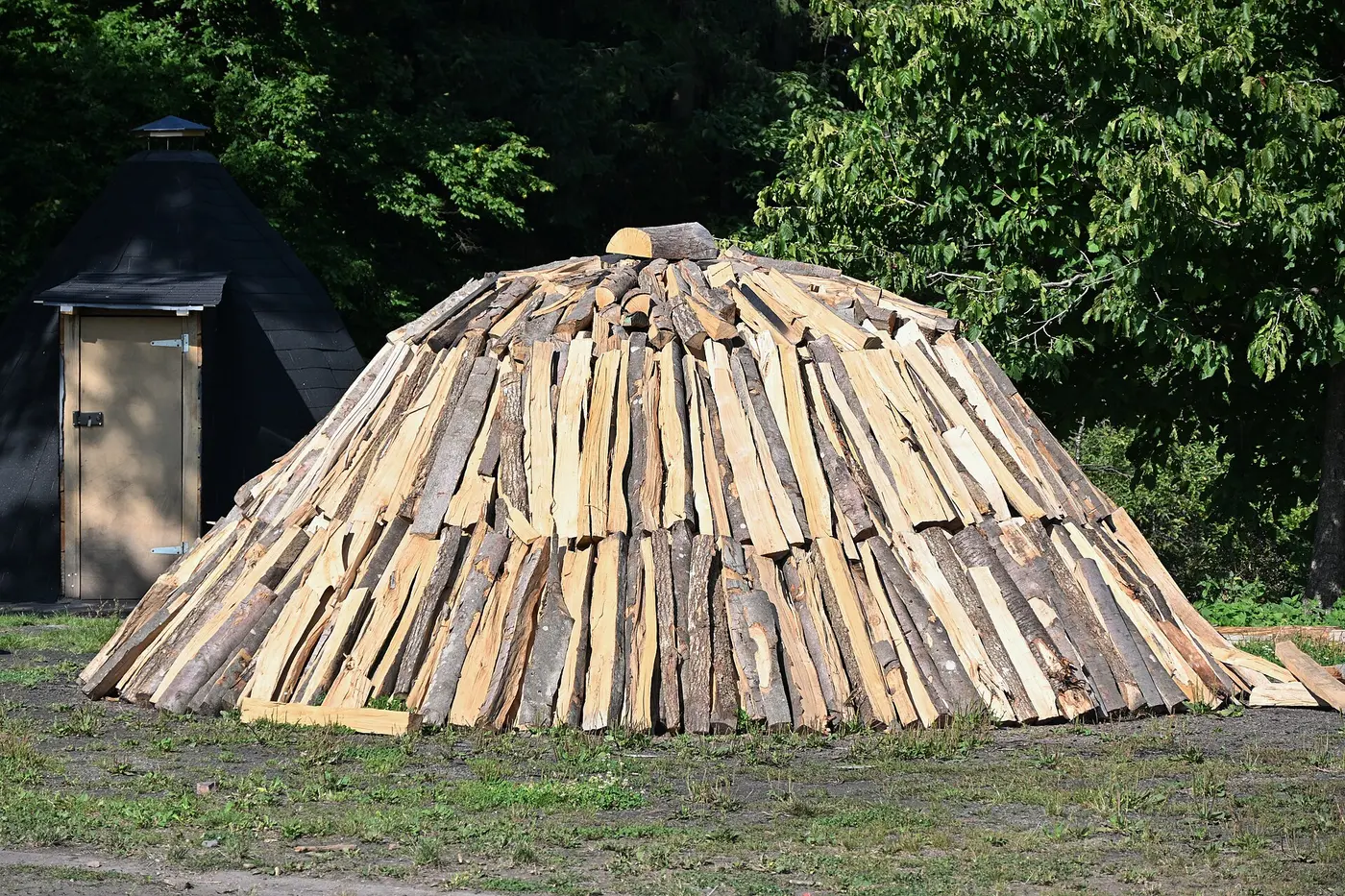
That name has inspired the most popular explanation: that it was a dish of the charcoal burners. Workers who spent days in the forests of the Apennine Mountains making charcoal, the story goes, brought along food that kept well, such as cured pork, cheese and eggs, and cooked it up into this pasta. Some add that the black pepper scattered on top looks like flecks of charcoal dust.
Other theories link the name to the Carbonari, a secret society active in the 19th-century struggle to unify Italy, or simply to cooking over a charcoal fire. All of them fit the sound of the name nicely. Unfortunately, no record has been found showing that charcoal burners of the past actually ate this dish.

It enters the record in the mid-20th century
Search through the printed record, and the name spaghetti alla carbonara is said to appear first in a 1939 newspaper published in the Dutch East Indies (present-day Indonesia). It mentions the dish as the specialty of a restaurant in Rome’s Trastevere district, but says nothing about what it actually was.
Clear clues pile up only after World War II. In 1950, the Italian newspaper La Stampa reported that American officers had been seeking out the dish in Trastevere restaurants for years.
And the oldest recipe, remarkably, comes not from Italy but from a restaurant guide published in Chicago in 1952. The first recipe printed in Italy appeared in 1954, in the food magazine La Cucina Italiana. In other words, the written record of carbonara as a dish only comes together about 70 years ago.
Born from American army rations?
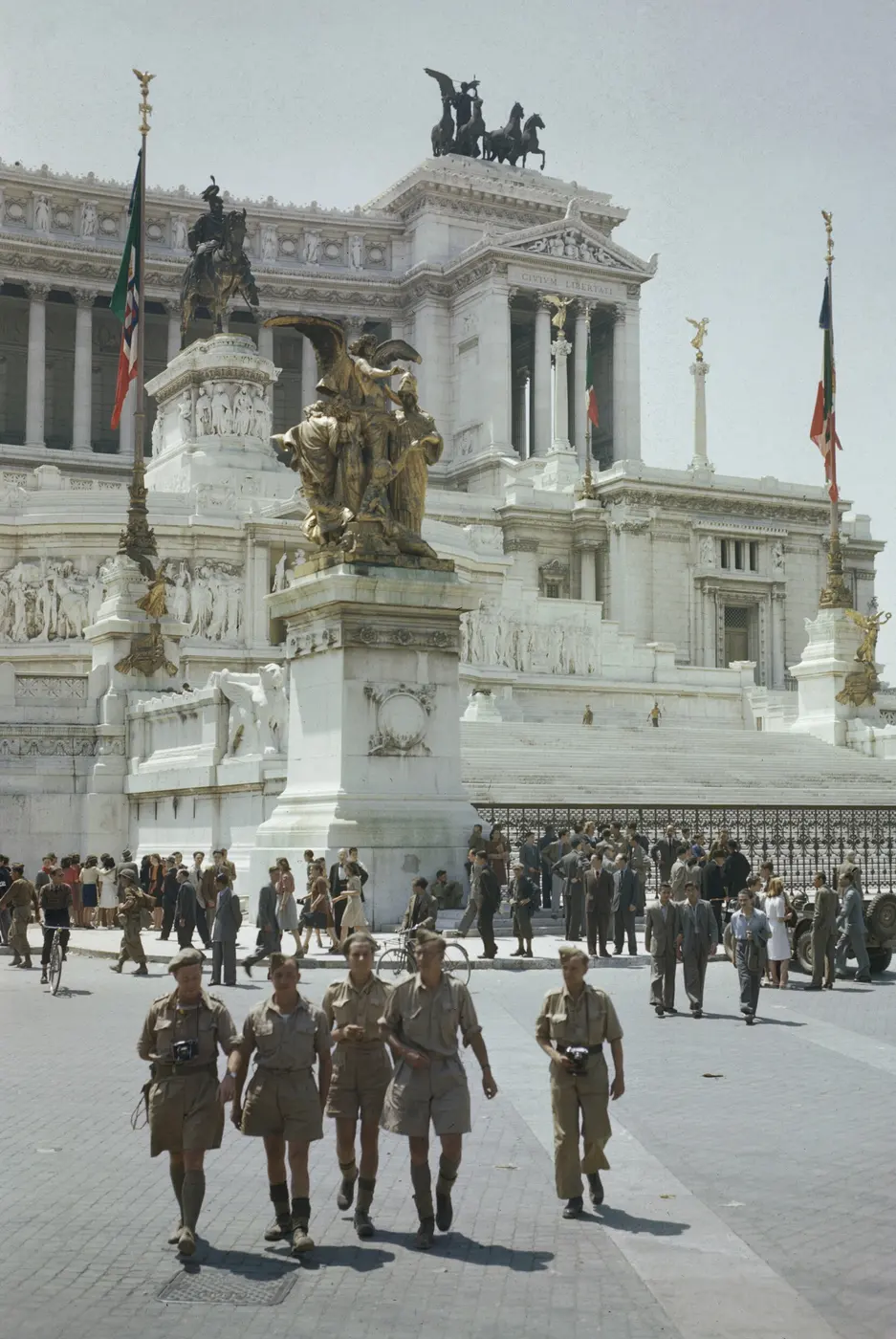
Because the dish seems to appear so suddenly after the war, one widely favored theory points to Allied soldiers. Rome was liberated by Allied forces in June 1944. American rations at the time included bacon and powdered eggs, and the idea is that someone combined them with local pasta.
There are even people like Renato Gualandi, an Italian cook who said he came up with the dish in 1944 while preparing a meal for the U.S. Army. But this, too, rests on his own account and can’t be called conclusive proof. It is also possible that a simple dish already existed in Rome and that American soldiers grew fond of it and spread the word.

Curiously, Pietro Lencioni, the owner of the restaurant behind that 1952 Chicago recipe, was born into an immigrant coal-mining family in Iowa. That has led some people to suggest that miners’ cooking was the source of the name. There seems to be no end to theories involving charcoal and coal.
Even the “authentic” recipe is new
The carbonara considered authentic in Rome today is made with guanciale (cured pork cheek), pecorino romano (a sheep’s-milk cheese), eggs and black pepper. The Roman way is to leave out cream; versions with cream, which makes the sauce easier to keep stable, are common outside Italy.
Yet the first recipe published in Italy, in 1954, called for pancetta (cured pork belly), garlic and Swiss Gruyère cheese. Today’s “orthodox” ingredients are thought to have settled in from the late 1950s into the 1960s. Even a traditional flavor has some fairly recent pages in its history.