Why do we replace our teeth only once?
One replacement is thought to suit mammals, whose upper and lower teeth fit together precisely for chewing.
35,000teeth
Many of us remember wiggling a loose baby tooth with our tongue as children. In Japan, children traditionally toss a lost tooth onto the roof or under the floor of the house. Humans start with 20 baby teeth, which fall out and are replaced by up to 32 permanent ones. But that swap happens only once in a lifetime. Lose a permanent tooth, and no new one will grow in its place.
Some animals, meanwhile, replace their teeth again and again. So why do our teeth change only once?
Animals that keep replacing their teeth
Inside a shark’s mouth, rows of new teeth wait behind the ones currently in use. When a front tooth falls out, the tooth behind it moves forward like an item on a conveyor belt. Young sharks may replace their teeth as often as every week, and some requiem sharks are said to shed about 35,000 teeth over their lifetimes.
Crocodilians are no slouches either. Each of the roughly 80 teeth of an American alligator is reported to be replaced up to about 50 times over the animal’s life. At the base of every tooth, the next one is always waiting.
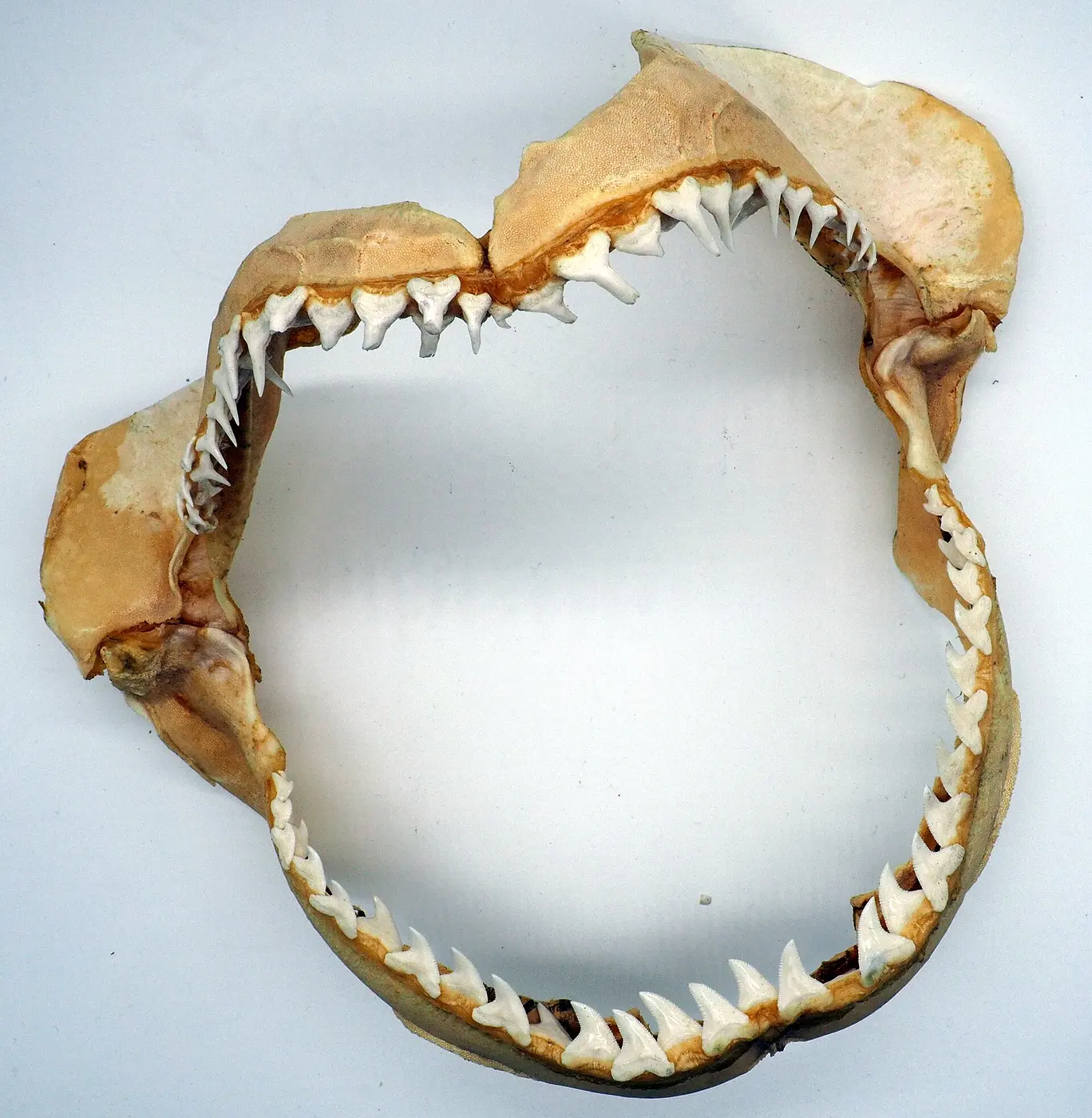

Most fish and reptiles replace their teeth over and over like this. If anything, it is we mammals, with only one replacement, who are the odd ones out among animals with backbones.
A trade-off for a precise bite
A hallmark of mammal teeth is that the upper and lower teeth fit together precisely. The back teeth in particular have bumpy surfaces that interlock, letting us grind food or chop it finely. Unlike an alligator, which swallows its prey more or less whole, we can chew our food thoroughly before swallowing, thanks to this tight fit.
A precise bite, however, can’t be maintained if teeth are constantly falling out and being replaced. So instead of swapping teeth again and again, mammals are thought to have taken a different route: growing one set of sturdy teeth, once, sized for the adult jaw. Other factors seem to be involved as well. Mammals are nursed on milk for a while after birth, so they can manage without teeth at first, and once they reach adulthood they stop growing, so the size of the jaw no longer changes.
There are exceptions among mammals, though. Elephants use six sets of molars in turn over their lives, with each worn tooth replaced by a new one pushing forward from behind. Manatees, too, have back teeth that keep moving forward from the rear of the jaw, one after another.
A drug to grow teeth again
So is there any way to make human teeth grow once more? One company taking on that dream is Toregem BioPharma, a startup born out of research at Kyoto University.
The work behind it comes from Katsu Takahashi, an oral and maxillofacial surgeon, and his colleagues. They focused on USAG-1, a protein that holds back the development of tooth germs, the tissue from which teeth form. When they blocked the protein with an antibody, they found that missing teeth grew in animals born without a full set. Takahashi and his team think that human jaws, too, may hold the dormant beginnings of a “third set” of teeth that would have come after the permanent ones.
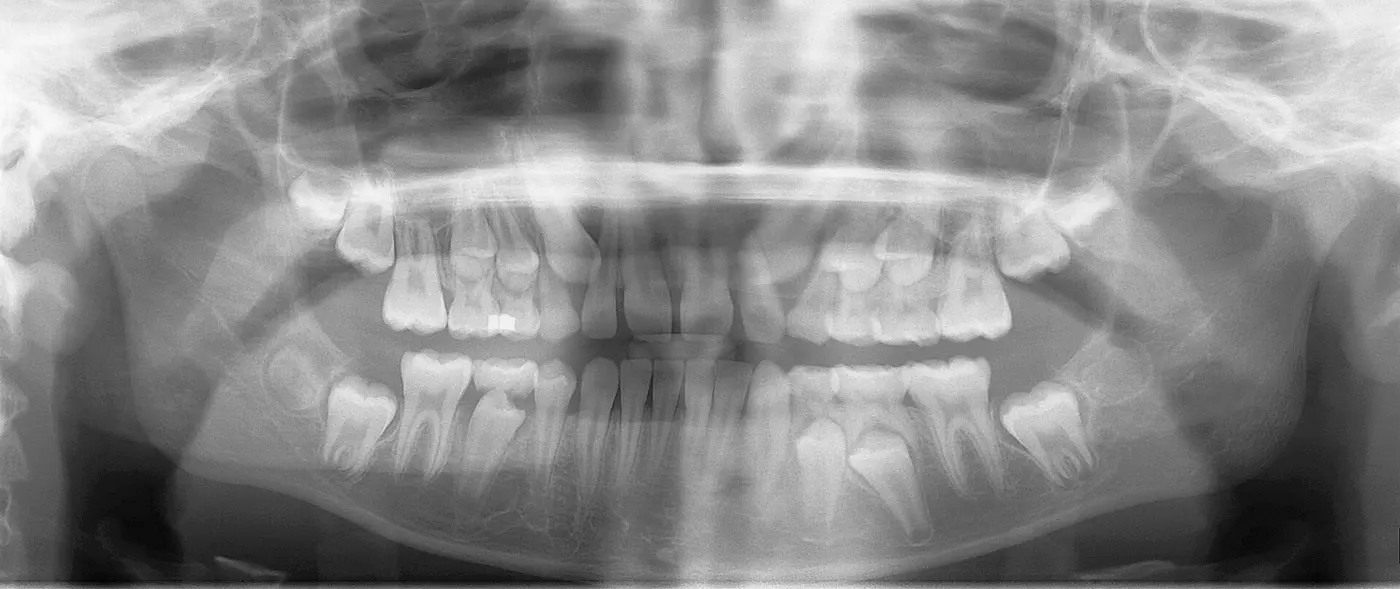

Starting in the fall of 2024, the antibody drug, called TRG035, was given to healthy adults in a first clinical trial at Kyoto University Hospital to check its safety. The company says safety was confirmed, though detailed results have not yet been published. The next step being planned is a trial in children with severe congenital tooth agenesis, a condition in which six or more permanent teeth are missing from birth, with the goal of bringing the drug into use around 2030. Whether it will one day regrow teeth lost to decay or gum disease depends on research still to come.