Do babies really have more bones than adults?
Yes. Adults have about 206 bones; newborns are said to have about 270 to 300.
206bones
As a body gets bigger, surely it gains bones along the way. That is what most of us vaguely assume, but the truth is the opposite. A newborn baby has more bones than an adult.
An adult is generally said to have about 206 bones. A newborn, by contrast, has somewhere around 270 to 300. The figure varies with how you count, and different sources give different numbers, but either way a baby has dozens more than an adult. So where do those bones go as we grow up?
Not lost, but joined
The answer is that the bones don’t disappear. They fuse together.
A baby’s skeleton contains many sections of cartilage that have not yet hardened into bone. As the child grows, those sections are gradually replaced by bone, and neighboring bones fuse. Because several pieces merge into a single bone, the total count goes down.
A clear example is the sacrum, at the bottom of the spine. In childhood it is made up of five separate vertebrae, but by adulthood they have merged into one bone. The tailbone below it is likewise formed from several small bones fused together.
Why the top of a baby’s head is soft
Stroke a baby’s head and you will find a slightly soft spot on top. This is the anterior fontanelle, a gap between the bones of the skull.
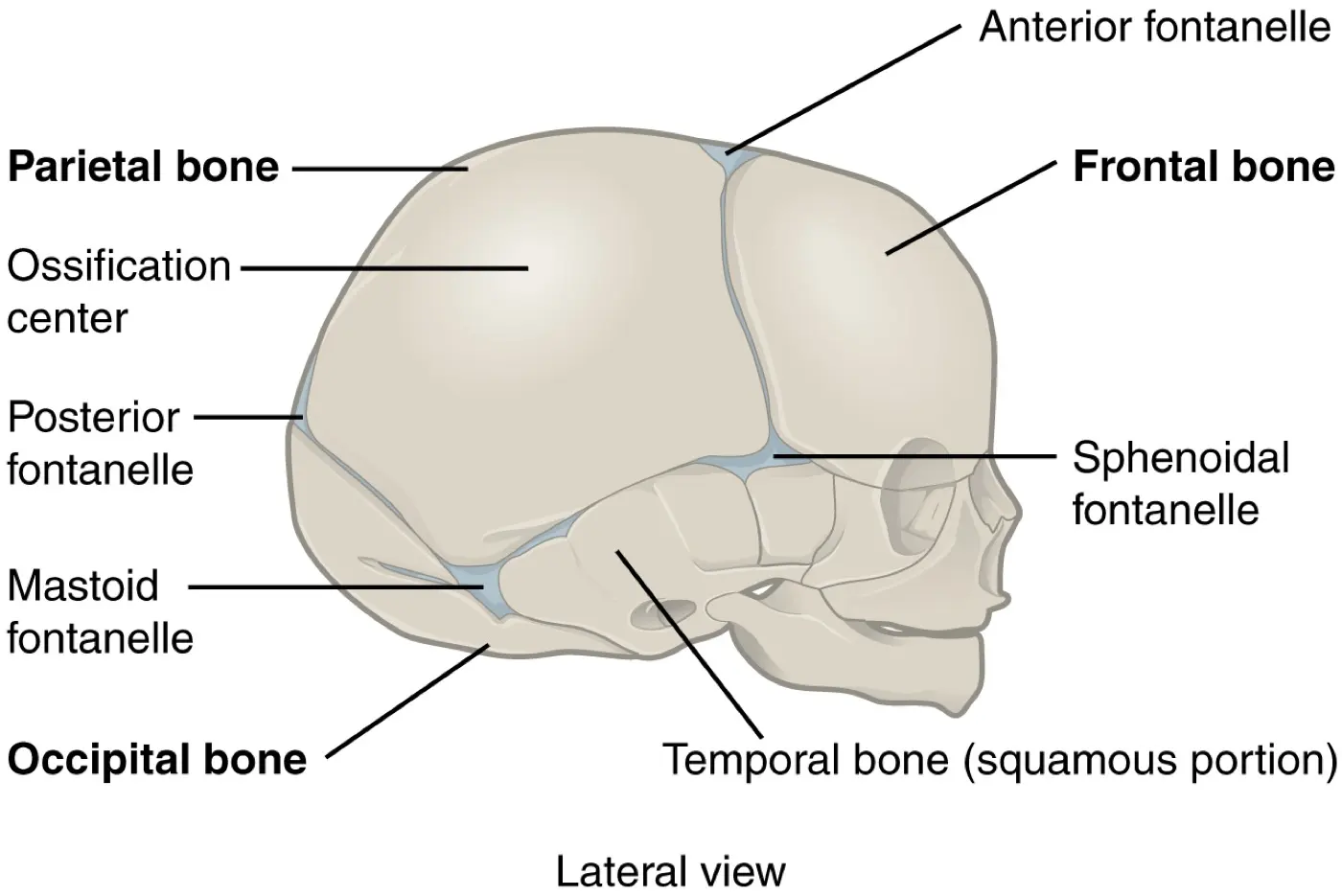

The skull is made up of several plate-like bones, and at birth they are not yet firmly locked together. Thanks to these gaps, the bones can overlap slightly as the baby passes through the narrow birth canal, letting the head change shape. And over the first few years of life the brain grows rapidly; because the bones have not yet closed up, the skull can keep pace with that growth.
The anterior fontanelle usually closes by around 18 months to 2 years of age. Those extra bones, you might say, are a flexible design for getting through two big jobs: birth and rapid growth.
The skeleton isn’t finished until your twenties
Bone fusion doesn’t stop after babyhood. Near each end of the long bones of the arms and legs is a layer of cartilage called the growth plate, and as bone lengthens there, we grow taller. Once this layer is replaced by bone after puberty, growth in height stops.
Different bones fuse at different times, and the latest are not complete until a person’s twenties. In other words, it takes us more than 20 years to arrive at the “adult 206.”
Even 206 is only a standard figure. The number of bones varies from person to person, for example in the number of small sesamoid bones or, occasionally, the number of ribs.
Deep in the ear, a bone smaller than a grain of rice
While we are counting bones, the smallest one deserves a mention. It is the stapes, or stirrup, in the middle ear.
It is only about 3 millimeters long, smaller than a grain of rice, and takes its name from its resemblance to the stirrup of a saddle. Alongside the stapes, the middle ear holds two other tiny bones, the malleus (hammer) and incus (anvil). Together they pass the vibrations of the eardrum along, one to the next, into the inner ear. Every sound you hear reaches you thanks to this relay of tiny bones.
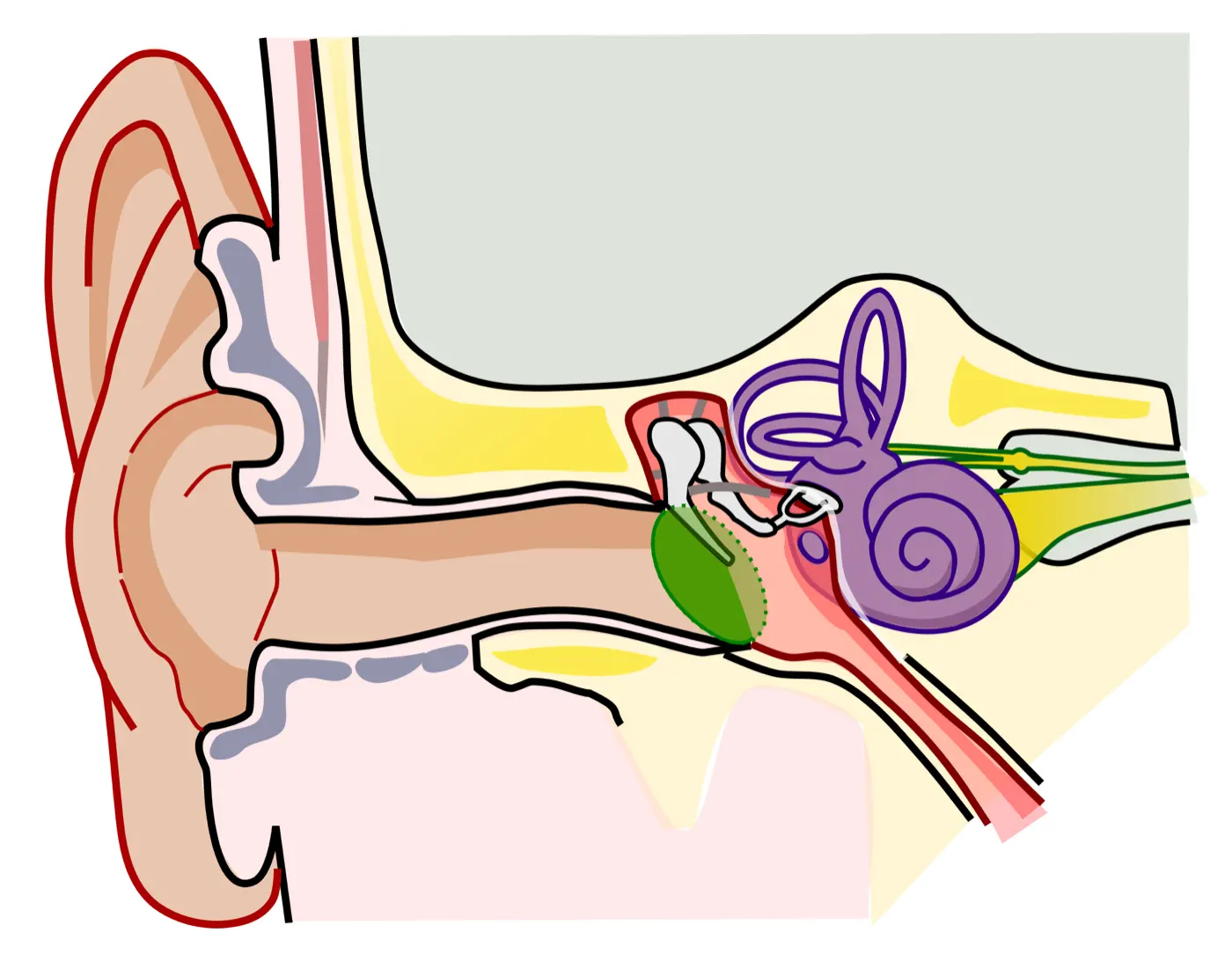

Incidentally, these ear bones, the ossicles, are said to be almost adult-sized already at birth. However much the rest of the body grows, this one spot deep inside the ear is close to its finished form from the start.