What makes a Stradivarius so special?
Made by a master 300 years ago, they’re rare and historic. The secret of their sound is still debated.
650instruments
You hear the name “Stradivarius” on TV shows that put people’s taste to the test, and whenever a world-famous violinist is introduced. It always seems to come attached to a price tag of hundreds of millions of yen, sometimes well over a billion, and it has become almost a byword for “the finest instrument there is.”
Stop and think about it, though, and it is rather puzzling. Why should an instrument made of wood, strings, and glue be held in such awe? And does it really sound different from other violins?
The master of Cremona
“Stradivarius” refers to the instruments made by Antonio Stradivari, a string-instrument maker in the northern Italian town of Cremona, and by his workshop. Stradivari was born around 1644 and died in 1737, devoting most of a long life—said to have lasted more than 90 years—to making instruments.
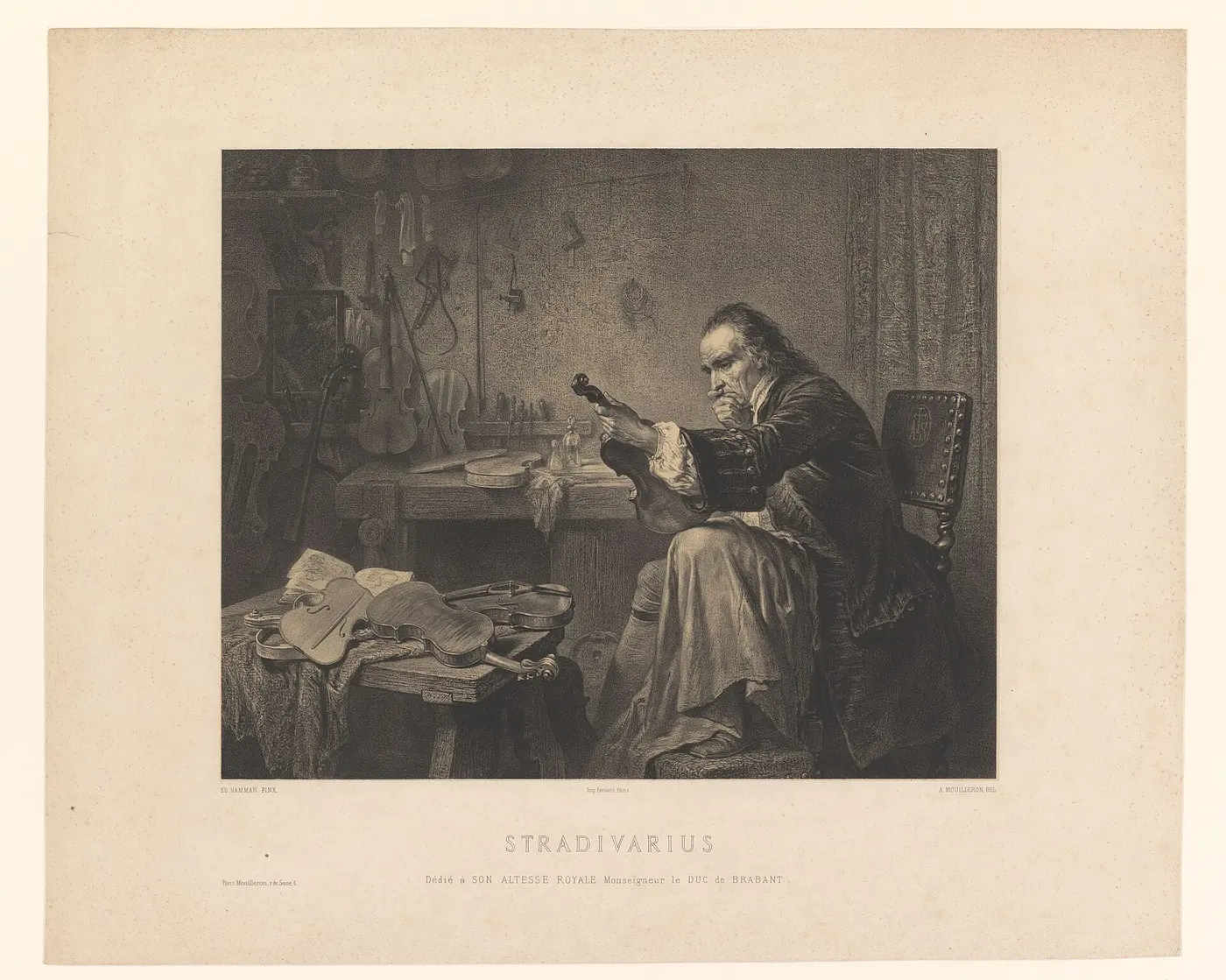

From the 16th century on, Cremona was the heart of violin making, home to master craftsmen such as the Amati family. Stradivari is said to have trained in the Amati workshop, but firm evidence is scarce and accounts differ. He is estimated to have made about 1,100 instruments in his lifetime, of which about 650 survive. Those made between about 1700 and 1720 are especially celebrated as works of his “golden period,” and each one has its own nickname, such as the “Messiah” or the “Lady Blunt.”
Why the price runs past a billion yen
The first thing driving up the price of a Stradivarius is scarcity. It is something of a miracle that instruments made 300 years ago survive in playable condition at all, and no more will ever be made. The supply is fixed forever, while the demand from musicians and collectors never goes away.
In 2011, the “Lady Blunt,” made in 1721, sold at auction for about 15.9 million dollars, making headlines as the highest price ever paid for an instrument at auction. Its owner, the Nippon Music Foundation, had sold it to support recovery from the Great East Japan Earthquake, and the entire proceeds were donated to the disaster-stricken areas.
Today, many Stradivari instruments are owned by foundations, companies, and private collectors, who lend them to outstanding musicians to play. The instruments themselves have become cultural treasures, much like works of art.
Theories about the secret of the sound
So where does that famous tone come from? Over the years, all sorts of theories have been put forward.
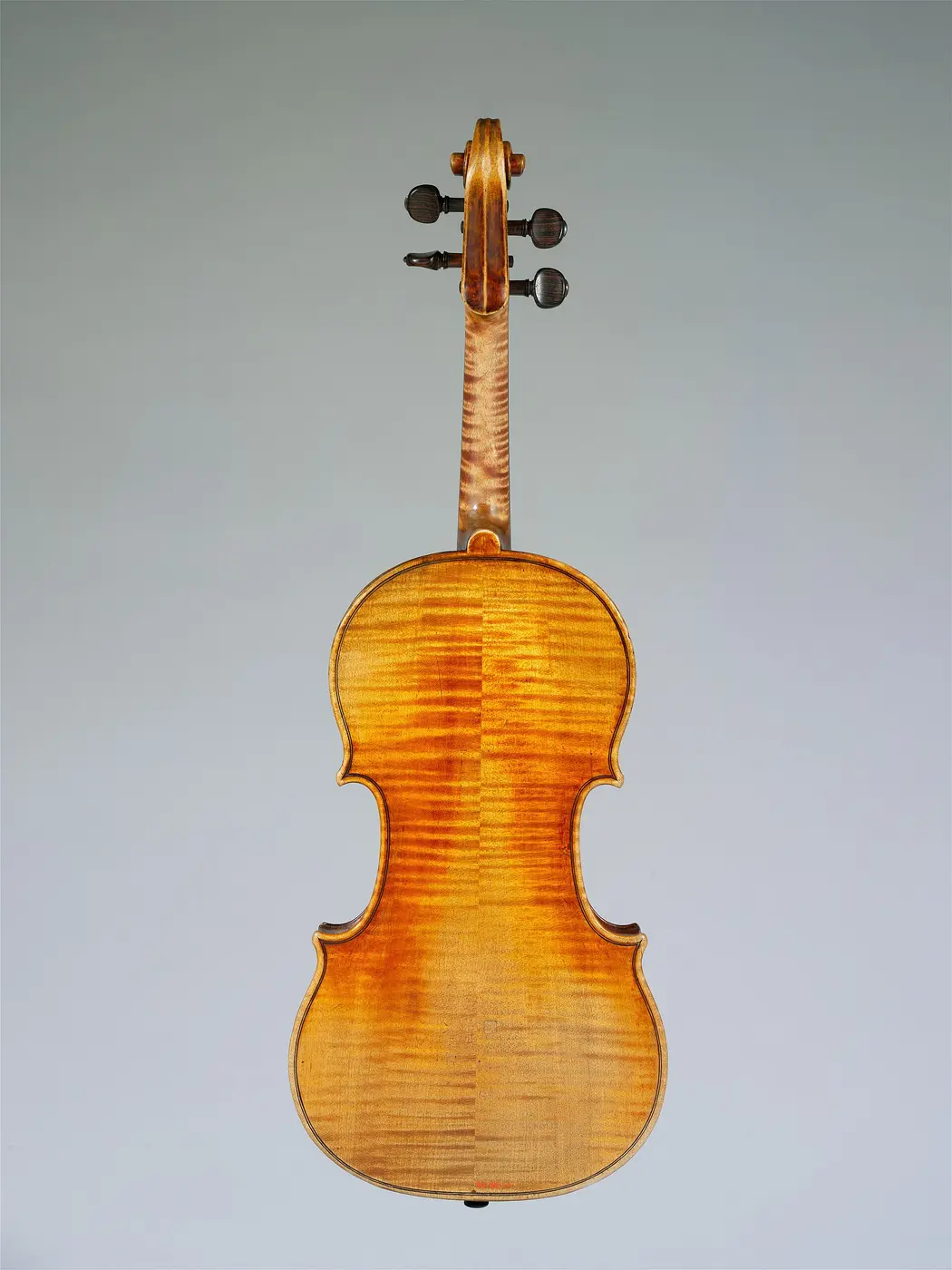
One of the best known concerns the wood. Stradivari worked during a cold spell in Europe known as the “Little Ice Age,” when trees grew slowly. Perhaps, the theory goes, this yielded uniform wood with tight, closely spaced growth rings. Other theories hold that chemical treatments used to protect the wood from insects affected the sound, or that the secret lies in a distinctive varnish. And then there is the view that, above all, the key was the craftsman’s skill in deciding the thickness and shape of the wooden plates. Each idea has found some support in research, but no definitive answer has emerged.

The surprising results of blind tests
Even more controversial have been experiments comparing instruments blind. A group led by the French researcher Claudia Fritz had players wear goggles that blocked their view, then asked them to play and compare old Italian masterpieces, including Stradivari instruments, with new violins made by today’s finest craftsmen.
In a study published in 2014, ten renowned soloists tried six old masterpieces, five of them by Stradivari, and six new instruments. The instrument they liked best turned out to be a new one, and the players could barely tell the old instruments from the new ones. A 2017 experiment then tested audiences, and once again the new instruments were preferred, judged to sound better and to project farther.
Of course, some point to the conditions of the experiments, and to how hard it is to play an unfamiliar instrument for only a short time. Still, it seems that at the very least, you cannot claim that a Stradivarius will sound special to every listener who hears it. Its value may lie not only in its tone, but in the 300 years of history and the memories of great performers that it carries with it.