What is the original song behind Japan’s “Hotaru no Hikari”?
The Scottish song “Auld Lang Syne.” The poet Robert Burns gave its words their present form.
1788
In Japan, Hotaru no Hikari (“The Light of the Fireflies”) is sung at graduation ceremonies. The same familiar melody closes NHK’s big New Year’s Eve music show, Kōhaku Uta Gassen, and plays over the speakers in supermarkets just before closing time. For Japanese people it has become, above all, a song of parting.
Many people in Japan know that the tune came from abroad. Fewer know what the original song is about, or on what occasions it is sung on the other side of the world.
A song for drinking with old friends
The original is the Scottish song Auld Lang Syne. The title is in Scots; translated word for word into English it means “old long since,” or more loosely “times gone by” or “for old times’ sake.”
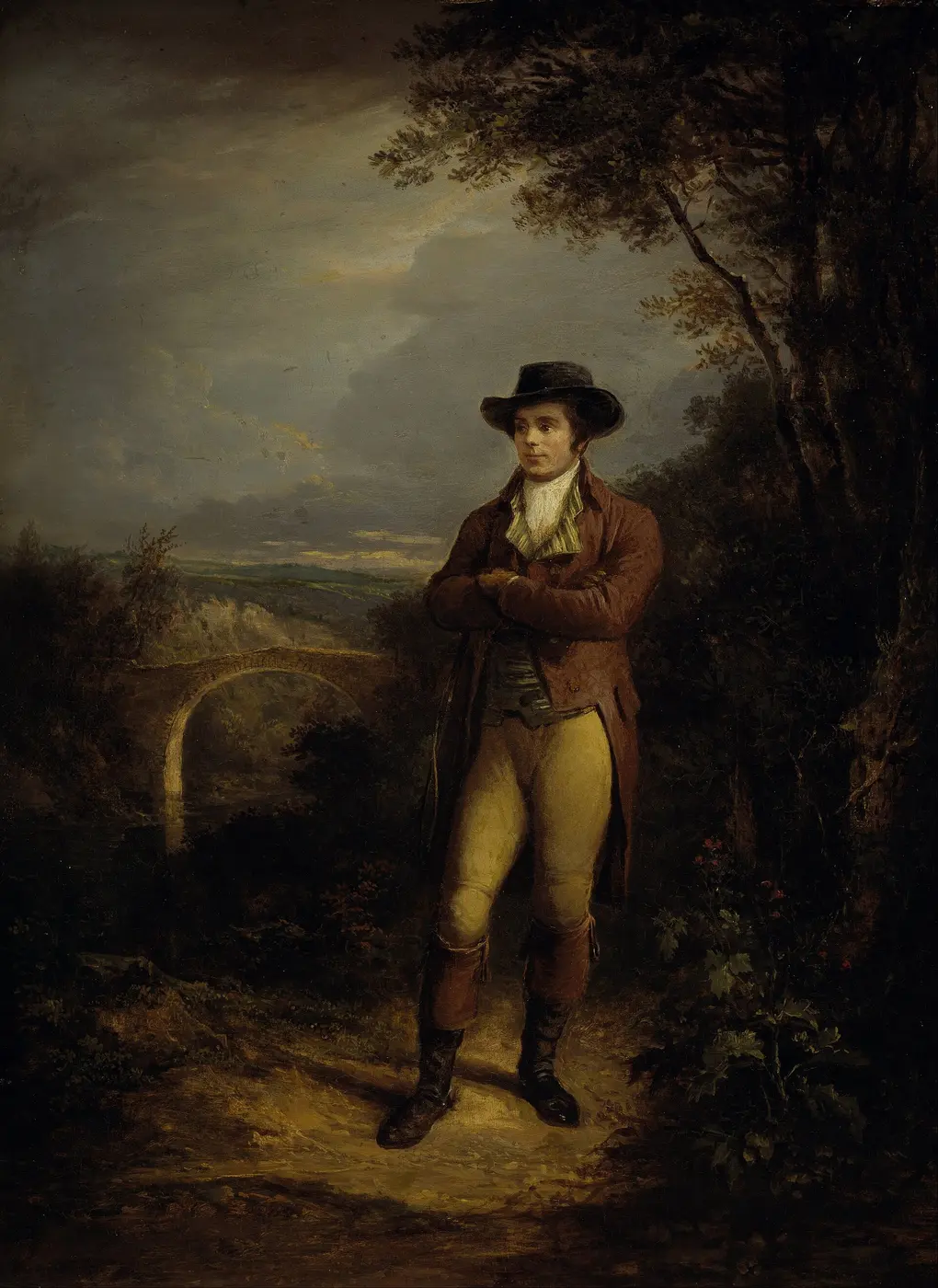
The words were given their present form by Scotland’s national poet, Robert Burns (1759–1796). In 1788, Burns sent the song to The Scots Musical Museum, a collection of Scottish songs. He noted that it was an old song that he had taken down from an old man. In fact, though, Burns is thought to have rewritten most of it himself, using the older song as a starting point.
The song is about meeting an old friend after a long time apart, talking over childhood memories and raising a cup of kindness together. Rather than a farewell, it is really a song of reunion and friendship.

A New Year’s song
Nobody knows who composed the melody. The tune sung today first appears in print in 1799, in a collection by George Thomson, and before that the words are said to have been sung to a different melody. Incidentally, this melody uses a five-note, pentatonic scale, the same pattern of notes as the yonanuki scale familiar from Japanese popular songs.
In Scotland, the song became a fixture of Hogmanay, the New Year’s Eve celebration. Today it is sung at the stroke of midnight in Britain, the United States and many other English-speaking countries. Remember old friends and drink a toast as the year turns: that is the song’s true moment.
Into Japan’s school textbooks
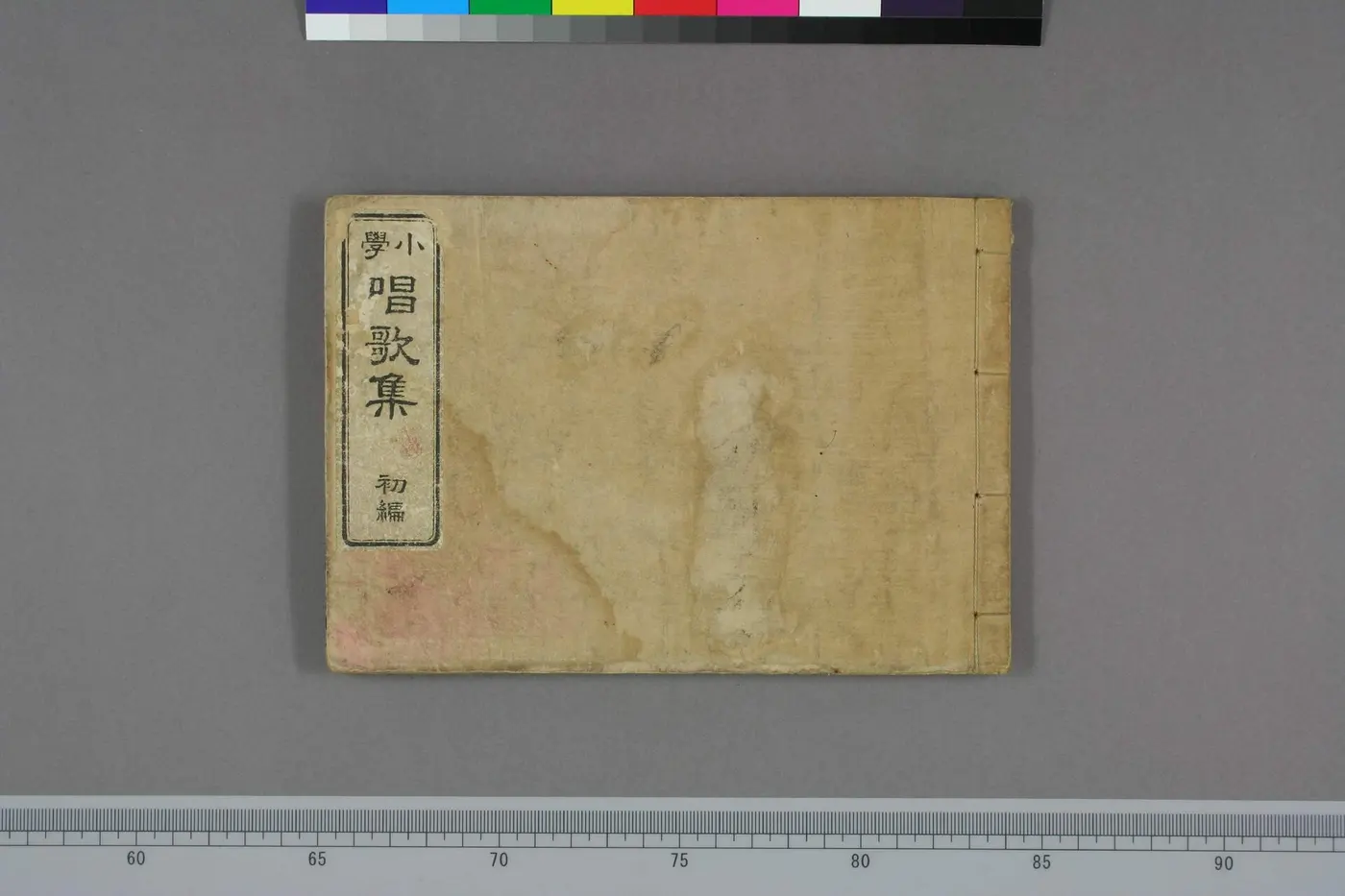
The tune came to Japan in the Meiji era (1868–1912). In 1881, when the government compiled Shōgaku Shōka-shū (Songs for Elementary Schools), the first volume of songs for children to sing at school, the melody was given Japanese words by Inagaki Chikai and included under the title Hotaru (“Fireflies”).
The opening of the Japanese lyrics draws on an old Chinese tale about studying by the light of fireflies and snow. In it, scholars too poor to buy lamp oil read their books by the light of fireflies or by the glow of the snow piled outside the window, and later rose to high office. The Japanese words look back on days spent studying hard and then send friends off on their separate ways. They sing not of reunion, as the original does, but of parting.
Hotaru no Hikari went on to spread across Japan as a graduation song. It is said that even during the Pacific War, when British and American music was shunned, people kept singing it on the grounds that it had become a Japanese song.
The closing-time music is a waltz
Listen carefully to the Hotaru no Hikari that plays as Japanese shops close, and you’ll notice the rhythm is different from the one sung at graduations. The original is in four beats to the bar, but much of the closing-time music is said to be Wakare no Waltz (“Farewell Waltz”), an arrangement in three-four time.
This waltz version first appeared in the 1940 American film Waterloo Bridge, where it plays as the two leads dance at a nightclub. The film was released in Japan in 1949 and became popular. A record company wanted to release the music, but it had no recording to work from. So the composer Koseki Yūji transcribed and arranged it, and the record came out credited to the “Eugene Cossmann Orchestra.” In fact, there was no such person as Eugene Cossmann: the name was a play on Koseki Yūji’s own. Because it was sold as a Western record, many people believed it was a foreign performance.
From a Scottish song celebrating reunion, by way of a Meiji-era school song and a Hollywood waltz, the melody found its way to closing time in Japan’s shops.