Who wrote the “Happy Birthday” song?
The tune began as a morning greeting song by the Hill sisters, kindergarten teachers in the United States.
1893
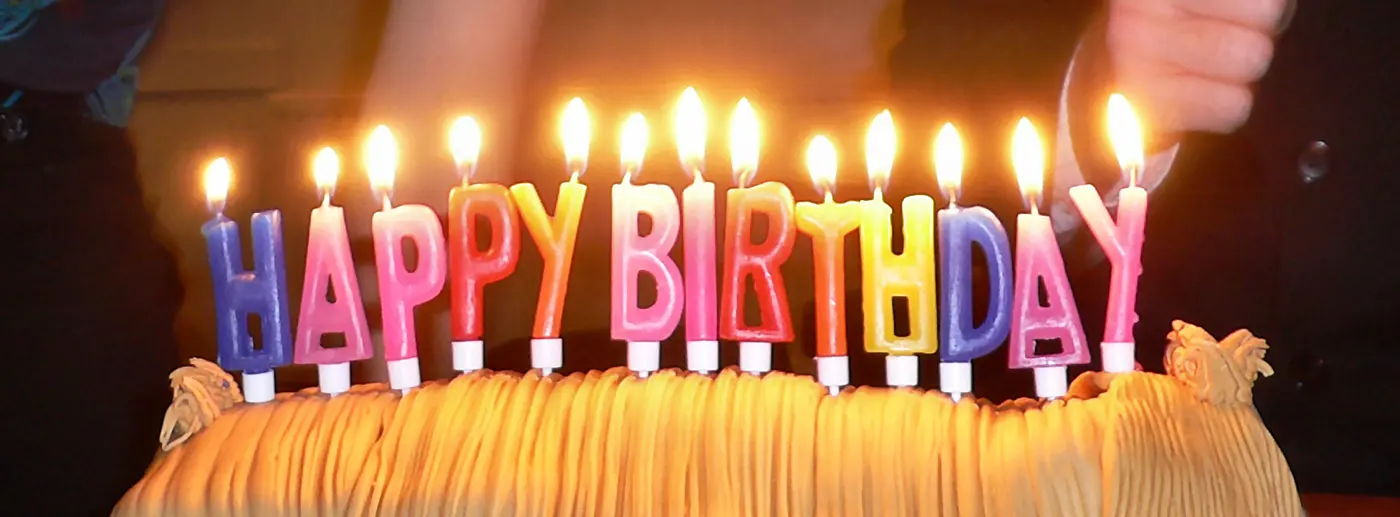
Gathered around a cake with flickering candles, everyone sings “Happy Birthday to You.” It is sung all over the world in all kinds of languages, and Guinness World Records has even featured it as one of the best-known songs in the English language.
It is sung so automatically that you might assume it is a folk song handed down from time out of mind. But the melody has clearly identifiable authors. And the rights to it were the subject of a long dispute that ran well into the 21st century.
A kindergarten morning greeting
The story begins in late-19th-century America, in Louisville, Kentucky. There, Patty Hill, a kindergarten teacher, and her musically trained older sister, Mildred Hill, were writing songs for young children.
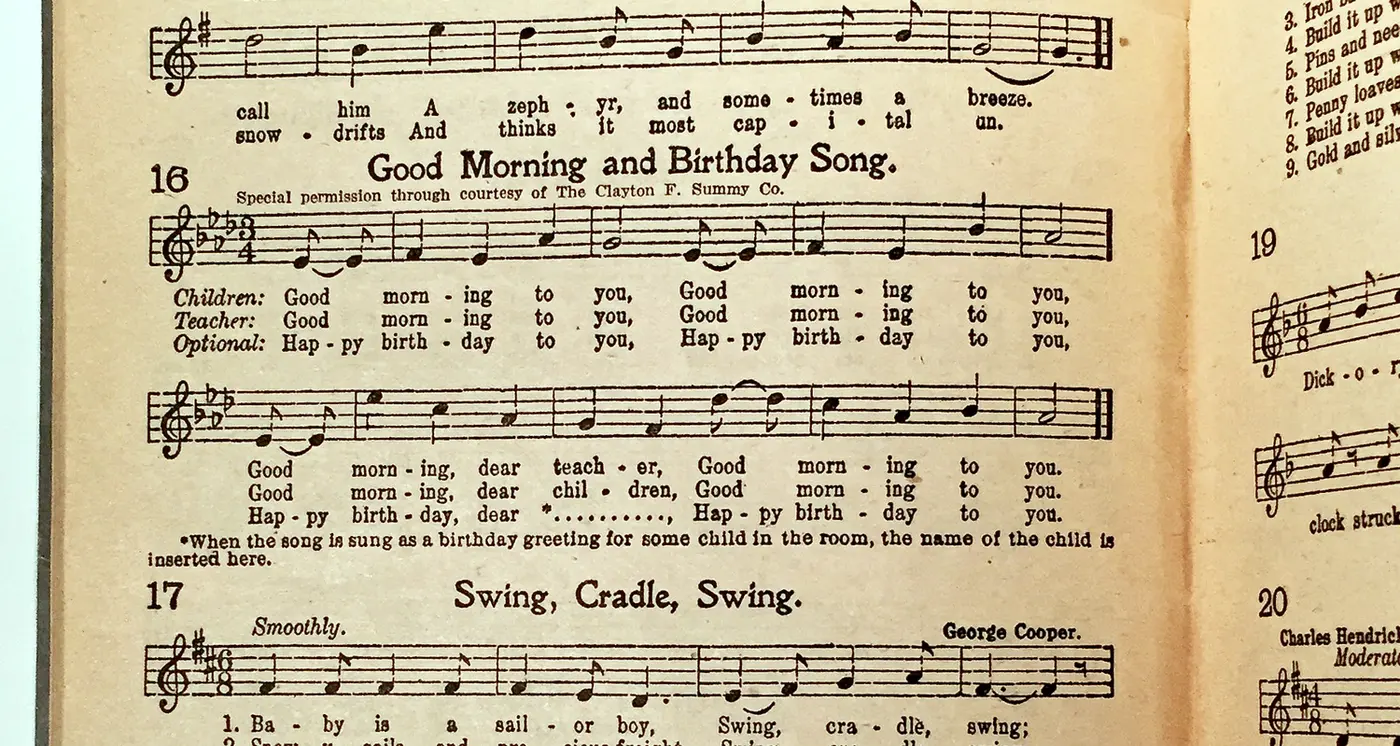
In 1893 the sisters published a songbook for kindergartens. Among its songs was “Good Morning to All,” a greeting for the teacher to sing to the children at the start of the day. The music is generally credited to Mildred and the words to Patty. To make it easy for children to sing, the melody is said to have been given a narrow range and plenty of repetition.
From “good morning” to “happy birthday”
Exactly when, and by whom, birthday words were first set to this tune is unclear. One suggestion is that children began singing it at birthday parties as a playful new version. Either way, by 1912 the birthday lyrics and this melody had appeared together in print, and the song spread rapidly.

In the 1930s, the song began turning up in stage shows and films. Against that backdrop, in 1935, the publisher of the sisters’ songbook registered copyrights for items including a piano arrangement with the birthday lyrics. That registration would later be treated as the basis for “the copyright on the song.”
It has also been pointed out that several songs with similar melodies existed from the mid-19th century, so whether the tune was created entirely from scratch is open to debate.
A copyright fight into the 21st century
The publisher’s rights changed hands several times, and in 1988 the major music publisher Warner/Chappell acquired them. Warner charged a fee whenever the song was used in a film, TV show or advertisement, and that income is said to have reached about $2 million a year. That is why many films with birthday scenes avoided the song and used something else instead.

The tide turned in 2013. A filmmaker making a documentary about the history of the song was asked to pay $1,500 to use it in the film. Questioning the demand, the director sued Warner.
In September 2015, a U.S. federal district court ruled that Warner could not be shown to hold a copyright in the birthday lyrics. The 1935 registration, the court found, covered only certain specific arrangements, and there was no evidence that rights to the lyrics themselves had been passed down. The following year, 2016, Warner settled by agreeing to pay back $14 million of the fees it had collected, and once the court approved the settlement, the song entered the public domain in the United States, free for anyone to use. In the countries of the European Union, its term of protection expired in January 2017.
A song that belongs to no one
Mildred died in 1916 and Patty in 1946. The sisters surely never imagined that their little greeting song would become the most-sung birthday song in the world, let alone that it would be fought over in court.
Today anyone can sing the birthday song without worry, and use it in films or online videos too. Born in a kindergarten classroom, the song has taken a long detour, but at last it belongs to everyone.