Are all Somei-yoshino cherry trees really clones?
Yes. Propagated by grafting, Japan’s Somei-yoshino trees are genetically near-identical copies of one tree.
Every spring in Japan, weather forecasts track the “cherry blossom front” as it moves north up the country. Rows of cherry trees in parks and along rivers start blooming on almost the same day and reach full bloom at about the same time.
In most cases, the benchmark for these forecasts and official “first bloom” announcements is the Somei-yoshino. It is the most common cherry tree in Japan, but it has a feature that sets it apart from most other plants. Trace the countless Somei-yoshino trees planted across Japan back to their source, and they turn out to be copies, all propagated from a single tree.
A cherry spread by Edo gardeners
The Somei-yoshino is said to have appeared toward the end of the Edo period (1603–1868). At the time, many nursery gardeners lived in the village of Somei in Edo (near today’s Komagome, in Tokyo’s Toshima Ward). According to tradition, this cherry was sold under the name Yoshino-zakura, after Mount Yoshino in Nara, famous for its cherry blossoms.
Most of the cherry trees on Mount Yoshino, however, are a different kind: the yamazakura, or Japanese mountain cherry. In 1900, a researcher studying the cherry trees in Tokyo’s Ueno Park realized the two were different, and to avoid confusion named the new one Somei-yoshino, after the village of Somei.
As for the Somei-yoshino’s parents, the leading theory is that it was born from a cross between two wild cherries, the Edo higan and the Ōshima cherry. In 2019, a team including the Kazusa DNA Research Institute decoded the Somei-yoshino’s entire genome and showed that it very likely descends from those two species. The team estimated that the two ancestral lines split apart about 5.5 million years ago, and that they met again in the Edo period to produce the Somei-yoshino.
No Somei-yoshino from seed
The Somei-yoshino has trouble producing fruit with its own pollen. It can set fruit with pollen from other kinds of cherry, but what grows from those seeds is a different cherry with different traits. In other words, you can’t multiply Somei-yoshino by sowing seeds.
Instead, people have used grafting. A branch is cut from a Somei-yoshino and joined to the trunk of a young seedling of another cherry, then grown on. A tree raised this way is a clone with exactly the same genes as the original. From the Meiji era (1868–1912) on, Somei-yoshino spread across Japan, and then overseas, through grafting.
Trees with identical genes respond to changes in temperature in the same way, and bloom in the same way. That is why the Somei-yoshino in a given area all flower together. It is also why Somei-yoshino are so often used to forecast and track blooming.
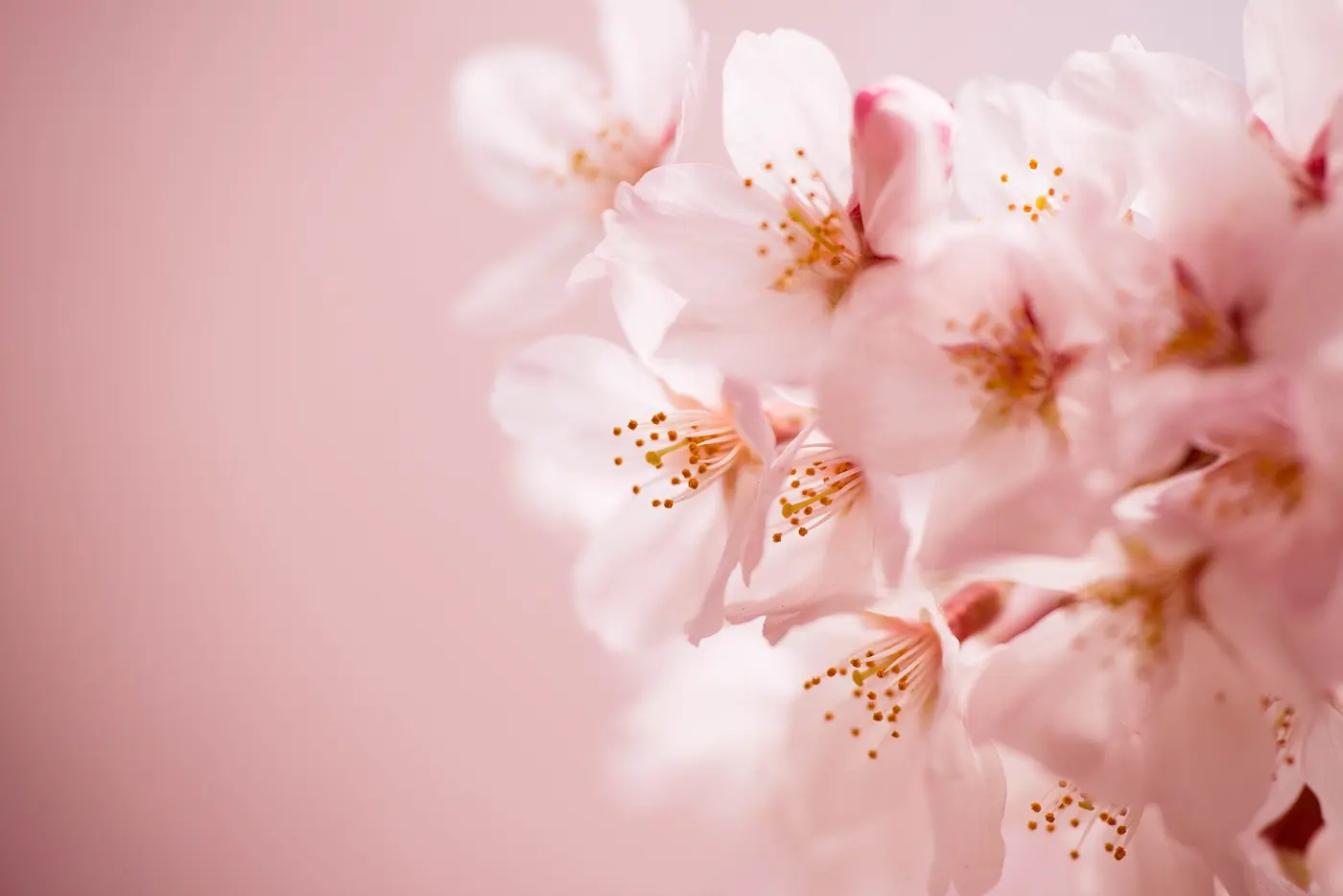

Does it all trace back to Ueno Park?
So where is the “original tree” from which all of Japan’s Somei-yoshino descend? For a long time, this was a mystery.
A clue came from a study published in 2022 by 16 universities and research institutions, including the Kazusa DNA Research Institute. Even in clones, tiny genetic changes gradually accumulate over repeated rounds of grafting. The team examined 46 Somei-yoshino trees planted in 19 prefectures and used these small differences to trace their lineages, like a family tree.
They found that the 46 trees fell into six lineages, and that four trees planted around the statue of Prince Komatsu Akihito in Ueno Park each belonged to a separate lineage. These four are thought very likely to have been the parent trees from which grafts spread across the country. The team also identified the one tree among the four closest to the ancestral genes. It is a step closer to solving the mystery of the original tree itself.
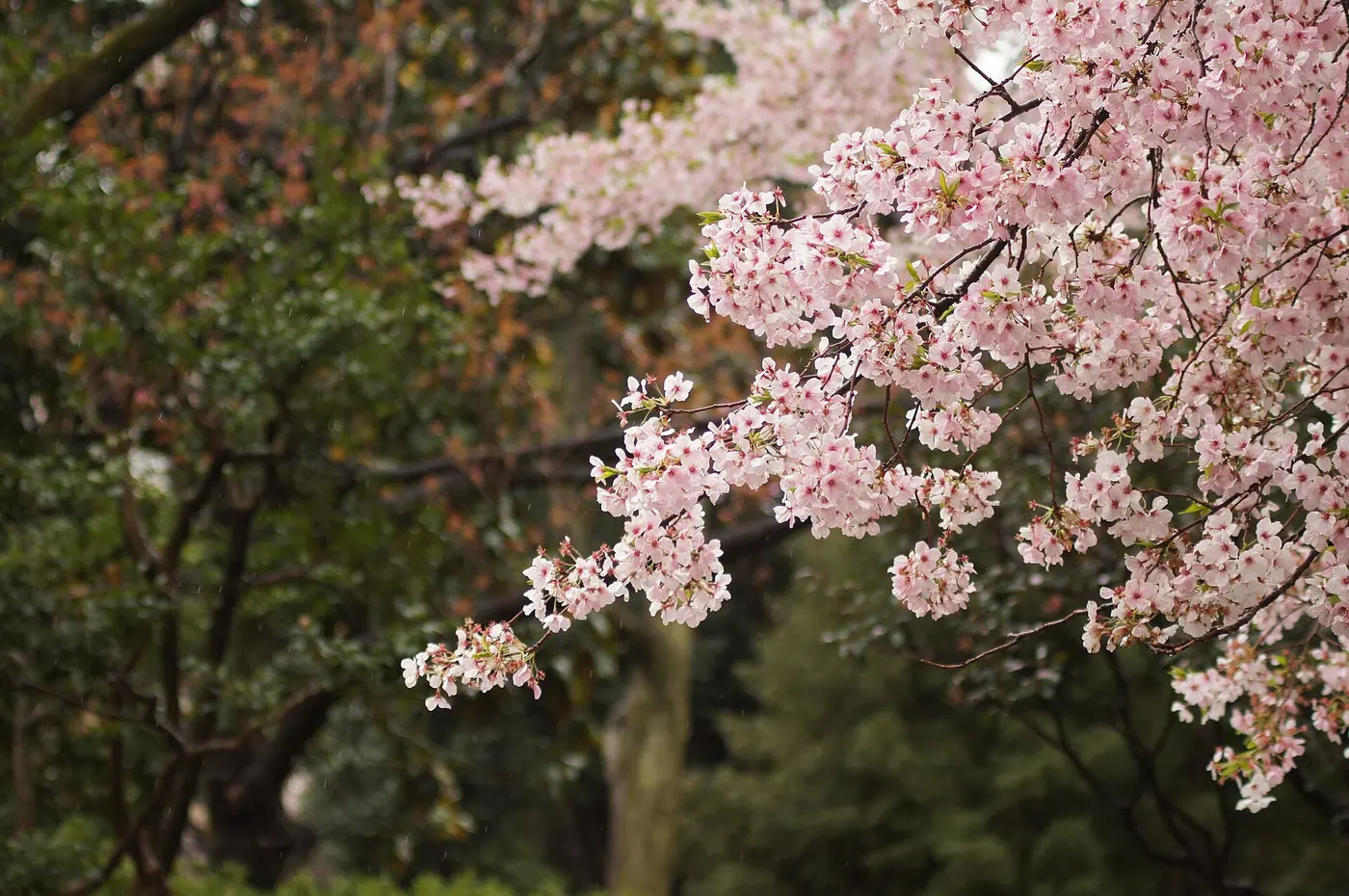

The weakness of being a clone
Having every tree share the same genes comes with a drawback. If one tree is vulnerable to a disease, every tree in the country is just as vulnerable. Somei-yoshino are known to be especially susceptible to witches’ broom, a disease that causes branches to grow in abnormally dense clusters and stop flowering.
For this reason, the Flower Association of Japan, which has long distributed cherry saplings, stopped distributing and selling Somei-yoshino saplings in the 2000s and began recommending a disease-resistant variety called Jindai-akebono instead. You often hear that “Somei-yoshino only live 60 years,” but it is also known that with good care they can live much longer. In Hirosaki Park in Aomori Prefecture, a Somei-yoshino said to have been planted in 1882, now more than 140 years old, still blooms every year.