Do plants grow better if you play them music?
There’s no solid evidence. But research has shown that plants do respond to vibrations and sound.
“Tomatoes grown to the sound of classical music.” “Liquor aged to the strains of Mozart.” You may have come across marketing slogans like these. Some people talk to their houseplants every day, or leave music playing for them. It’s a lovely thought, and one that has been around for decades.
Plants have no ears and no brain. So do they really grow better when you play them music? To cut to the chase, there is no solid scientific basis for the idea. But that does not mean plants have nothing at all to do with sound—far from it.
A craze that began in the 1970s
The idea of playing music to plants caught on in the United States in the 1970s. In 1973, The Secret Life of Plants, a book claiming that plants have feelings and even minds, became a bestseller.
That same year, a woman named Dorothy Retallack published a book describing experiments she had carried out at a college. She had placed plants in separate rooms and played different kinds of music to each. The plants that heard classical music, she reported, leaned toward the speaker and thrived, while those exposed to hard rock withered.

The story caused a sensation, but critics have pointed out many problems with how the experiments were conducted. The number of plants was small, and not enough was done to keep conditions the same across rooms. Which music counted as “good” music is also said to have been decided by her own taste. Without careful controls, there is no way to know whether the music, or something else entirely, made the difference.
Harder to test than you’d think
Properly testing the effect of music is more difficult than it sounds. Speakers give off heat and stir the air, and light and temperature may differ slightly from room to room. A gardener who expects “this pot gets the music” might also, without realizing it, water or tend that plant differently.
Over the years, there have been a number of reports that music, or sounds at particular frequencies, changed how plants grew. But the studies have often been small, or their results have not lined up with one another, so there is not enough evidence to say that playing a certain kind of music makes plants grow better. At the very least, there is no evidence that plants can tell classical from rock, let alone that they prefer one over the other.
Plants really do sense sound
In recent years, though, solid research has emerged showing that plants do pick up on sound and vibration.
In 2014, a research team at the University of Missouri in the United States recorded the vibrations made by caterpillars chewing on leaves and played them back to a small plant called thale cress (Arabidopsis). Plants that had been exposed to those vibrations later produced more of the chemicals that ward off insects when caterpillars actually started eating them. Other vibrations, such as those caused by wind, did not trigger the same response.
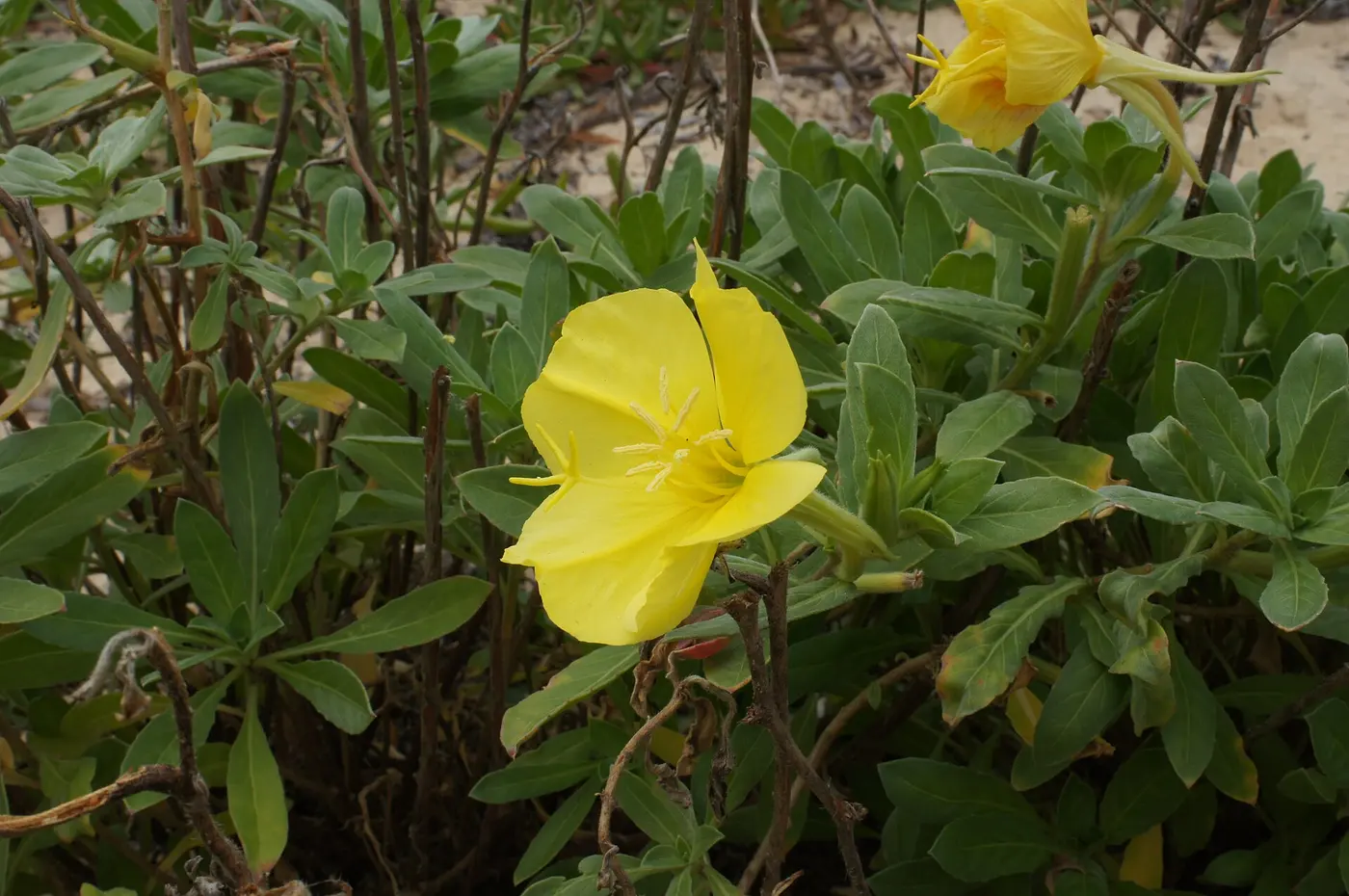
In 2019, a team at Tel Aviv University in Israel reported an experiment in which they played recordings of buzzing bees to a seaside species of evening primrose. Within about three minutes of hearing the buzz, the flowers made their nectar sweeter, raising its sugar concentration. The petals are thought to vibrate in time with the wingbeats, acting almost like ears.

Another study found that pea roots grow toward the sound of water flowing through a pipe. Perhaps what matters to plants is not music at all, but sounds that carry meaning for their survival, like the munching of insects or the trickle of water.
What matters more than music
It has also long been known that when plants are touched or shaken by hand, they grow shorter and sturdier. Plants are more sensitive to the stimuli around them than we tend to imagine.
So if a potted plant serenaded with music is flourishing, the credit may go not to the music itself, but to the extra time its owner spends nearby, keeping an eye on it and paying closer attention to watering and sunlight. And that, in its own way, is surely something any plant would welcome.