What is the longest river in the world?
Usually Africa’s Nile, at about 6,650 km. But some argue the Amazon is actually longer.
Ask people to name the longest river in the world, and many will think back to geography class and say “the Nile.” Most atlases and encyclopedias say so too.
But this answer has a long-standing rival: the Amazon in South America. The gap between the two is only a few hundred kilometers, and it keeps shifting, caught up in a surprisingly deep-rooted problem: how do you actually measure the length of a river?
The textbook champion: the Nile
The Nile is a great river that flows from south to north across northeastern Africa and empties into the Mediterranean Sea. Its commonly cited length is about 6,650 kilometers (roughly 4,130 miles). Its basin stretches across more than ten countries, and its two great branches, the White Nile and the Blue Nile, meet at Khartoum, the capital of Sudan.
Trace the White Nile back to its source, and you are said to end up beyond the rivers that feed Lake Victoria, in the highlands of Rwanda and Burundi. From there to the point where it finally reaches the sea after crossing the desert country of Egypt, its journey is staggeringly long.
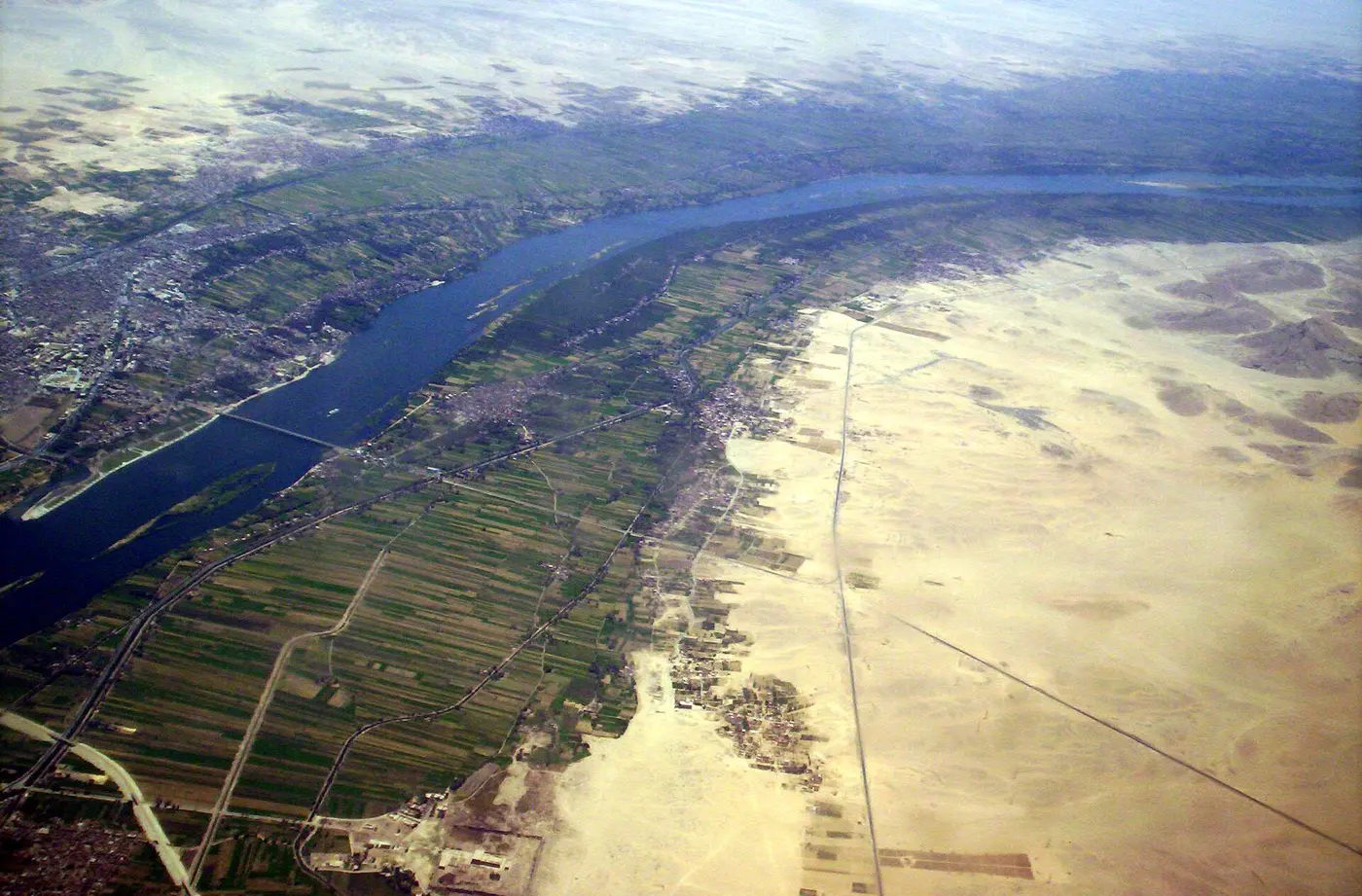

In Egypt, where almost no rain falls, it was this river that allowed an ancient civilization to flourish. Little wonder that the ancient Greek historian Herodotus is said to have called Egypt “the gift of the Nile.”
Where does a river begin and end?
The Amazon, meanwhile, is generally given as about 6,400 kilometers (roughly 3,980 miles) long, which puts it in second place behind the Nile. That ranking, however, is far from secure.
Measuring a river is actually very difficult. First, where does it “begin”? A great river has countless tributaries, and depending on which thin stream you count as the source, the length can change by hundreds of kilometers. Next, where does it “end”? When a river’s mouth opens into a wide estuary or a complex delta, there is no clear line where the river becomes the sea.
On top of that, rivers twist and turn. The more detailed the map you use, the more tiny meanders you pick up, and the longer your measurement becomes. And the course of the river itself shifts a little from year to year, thanks to floods and other forces. The length of a river is a number that changes with the rules you agree to measure it by.
The Amazon fights back
Some researchers have seized on this ambiguity to argue that the Amazon is the true champion.
In 2007, a team that included research institutions in Brazil and Peru placed the Amazon’s source in the Andes of southern Peru and also reconsidered where to draw its mouth. On that basis, they announced a length of about 6,992 kilometers. The same team put the Nile at about 6,853 kilometers, so by their method, the Amazon comes out longer.
This result has not been accepted everywhere, though. Other research has gone the opposite way, arguing that the Amazon’s source lies on a different tributary, which would actually make the river shorter. For now, most dictionaries and geographic references still rank the Nile first, but the matter can hardly be called settled. The honest answer is that there are several competing views.
Neck and neck in length, no contest in volume
In length, the two rivers remain locked in a close contest. Compare the amount of water they carry, however, and it is a different story entirely.
The Amazon pours an average of about 200,000 cubic meters of water into the ocean every second. That is said to be roughly one-fifth of all the water the world’s rivers deliver to the sea, so much that you would have to bundle together several of the next-largest rivers just to match it. It reaches such a volume because it gathers the enormous amount of rain that falls on a vast tropical rainforest.
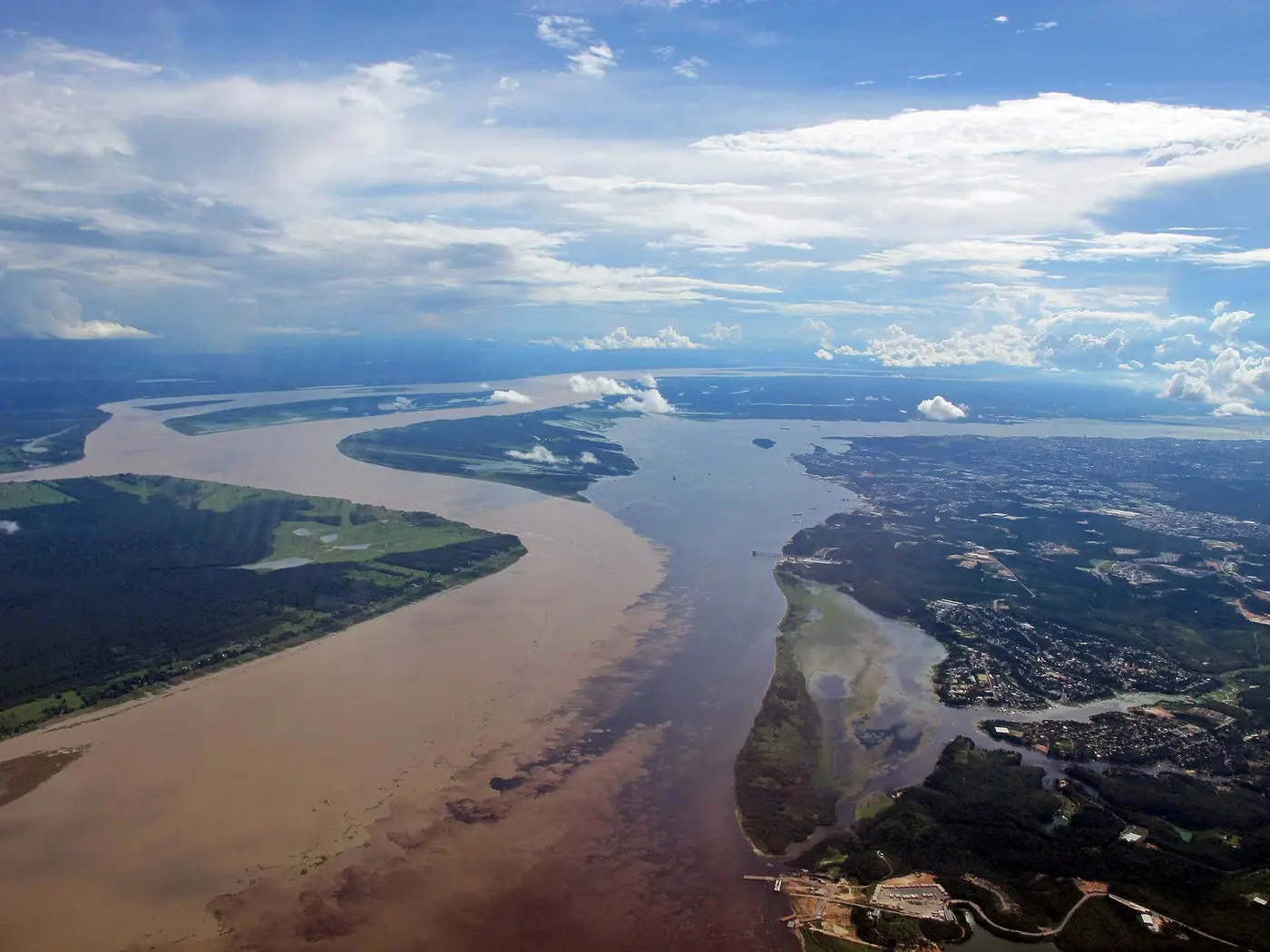

The Nile for length, the Amazon for volume. Which one deserves to be called the world’s greatest river depends on the yardstick you choose. And the debate over a gap of a few hundred kilometers reminds us that “length,” a number we take for granted, actually rests on conventions that humans have agreed upon.