What is the largest lake in the world?
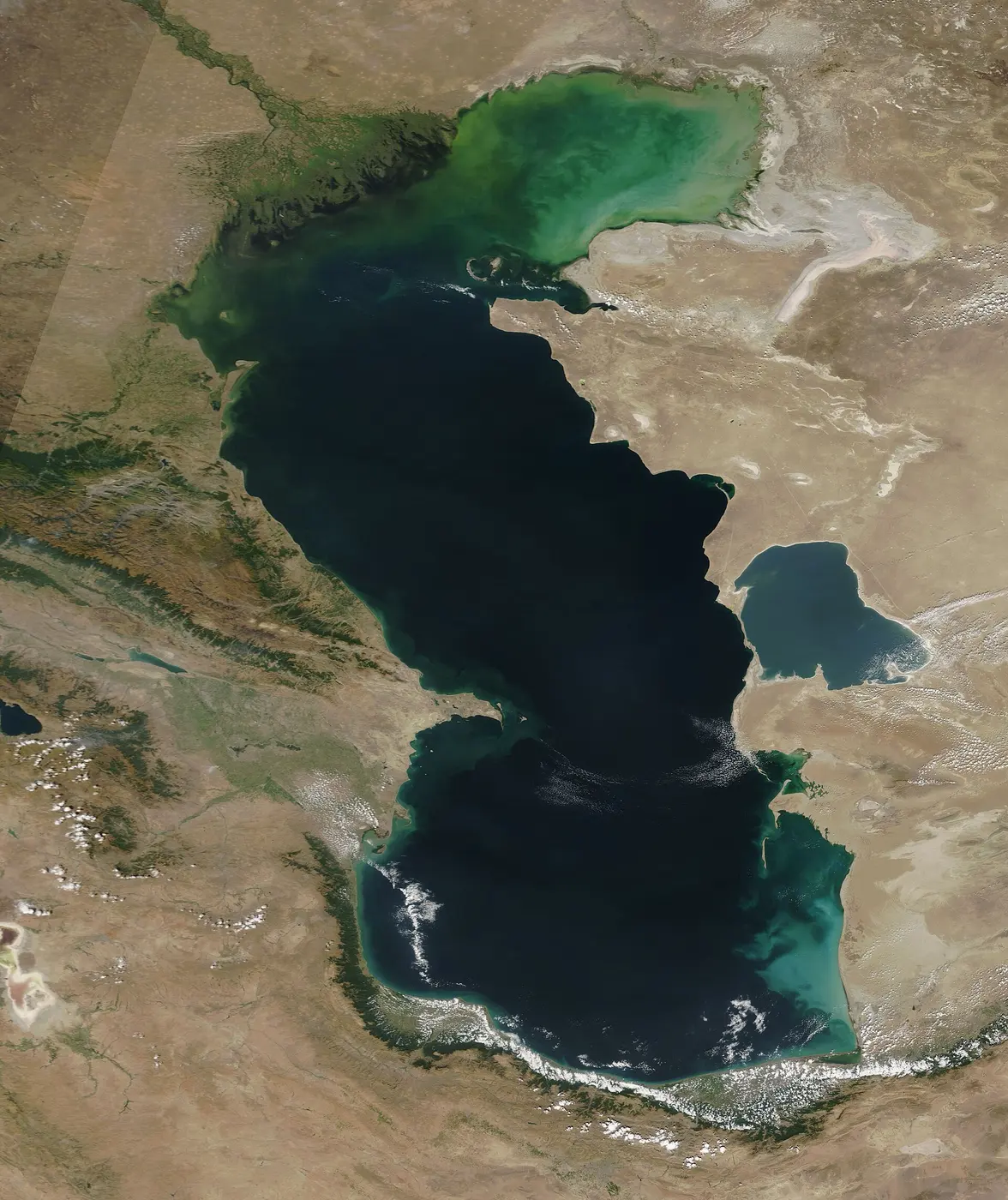
By area, the Caspian Sea. It is about the size of Japan, its water is salty, and it even has “sea” in its name.
370,000km²
When you hear “the world’s largest lake,” what comes to mind? North America’s Great Lakes, Africa’s Lake Victoria, Siberia’s Lake Baikal? All famous lakes, but none of them holds the title by area.
The answer is the Caspian Sea. Despite the “sea” in its name, geographers generally treat it as the largest lake in the world.
A lake that could swallow Japan
The Caspian Sea lies roughly on the boundary between Europe and Asia, surrounded by five countries: Russia, Kazakhstan, Turkmenistan, Iran and Azerbaijan. It covers about 370,000 square kilometers (some 143,000 square miles), nearly the same as the whole of Japan (about 378,000 square kilometers), and more than 500 times the size of Lake Biwa, Japan’s largest lake. Because its area changes as the water level rises and falls, figures vary from source to source.
From north to south it stretches about 1,200 kilometers. In the north the water is shallow, only a few meters deep, but in the south it plunges to more than 1,000 meters.

Salty, yet a “lake”
The Caspian’s water is mildly salty. Its salinity averages about 1.2 percent, roughly a third that of ordinary seawater. It still counts as a lake because geographers generally define a lake as a body of water surrounded by land and not connected to the ocean. Whether the water is fresh or salty is not what decides it.
The Caspian is salty because of how it formed. This whole region was once part of an ancient sea. The Caspian is thought to have begun as a remnant of it, cut off from the larger ocean by movements of the Earth’s crust and left behind. Rivers flow in, but none flow out; water escapes by evaporating, so dissolved minerals keep accumulating. The north, where the Volga River pours in, is less salty, while in Garabogazköl, an inlet on the eastern shore where evaporation is intense, the salinity is extremely high.
Lake or sea? That was the question
Whether the Caspian is a lake or a sea was not just a matter of scientific classification. It also touched the interests of the countries around it, because calling it a lake or a sea changes how the oil and natural gas beneath its bed are divided up.
When the collapse of the Soviet Union raised the number of coastal states to five, negotiations dragged on for years. In 2018, the five countries signed a convention on the legal status of the Caspian Sea in Aktau, Kazakhstan. But the convention does not clearly define the Caspian as either a “lake” or a “sea,” instead setting out arrangements of its own. Legally, the world’s largest lake remains a special case that is neither quite a lake nor quite a sea.
For fresh water, a different champion
If you decide salty lakes don’t count, the answer changes. The largest freshwater lake by area is Lake Superior, one of North America’s Great Lakes, at about 82,000 square kilometers, roughly the size of Hokkaido, Japan’s northernmost main island. That said, its neighbors Lake Michigan and Lake Huron are joined by a wide strait and share the same water level, and some argue that if you treat them as a single lake, it beats Superior.
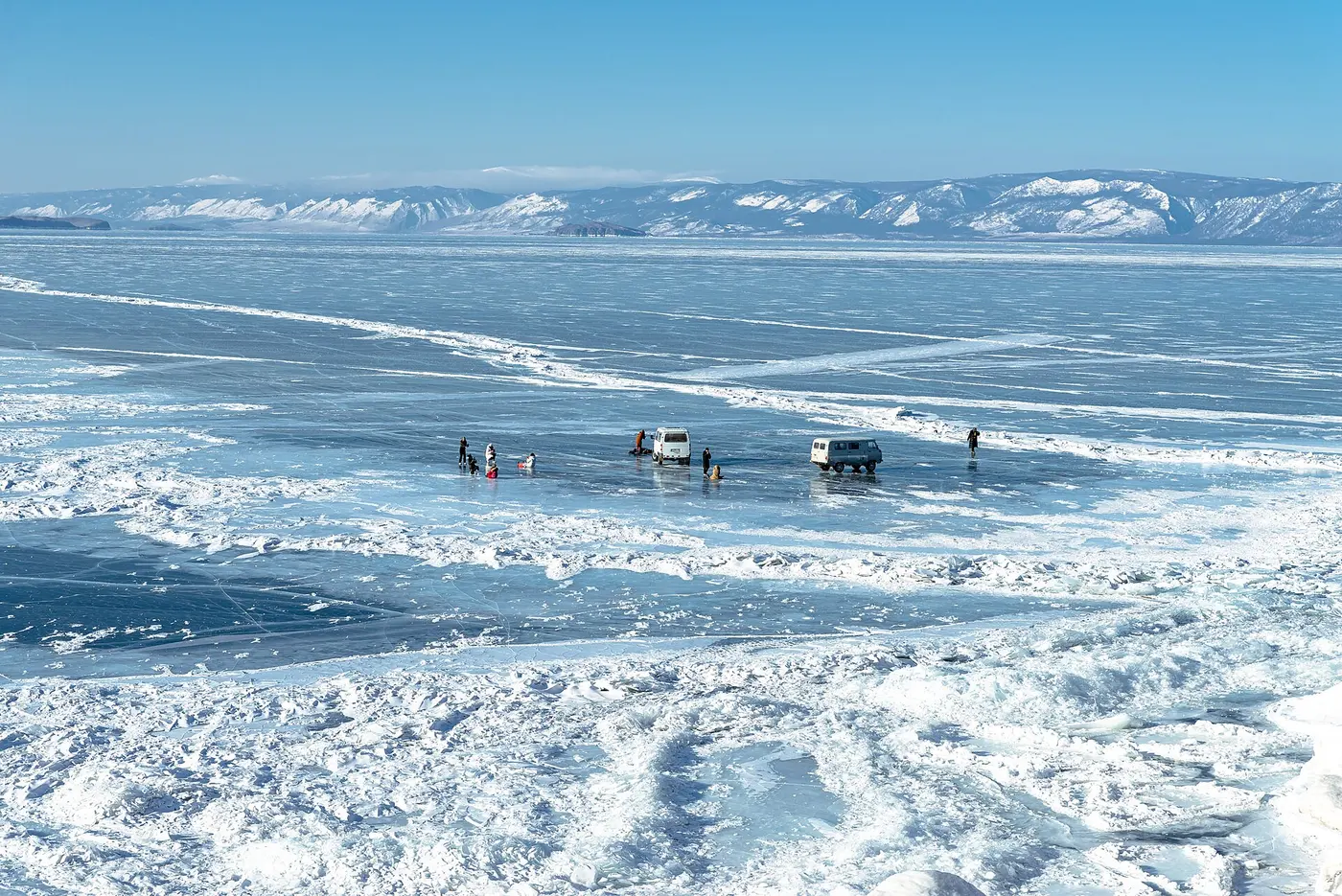
Compare by volume of water instead, and the champion is Siberia’s Lake Baikal. With a maximum depth of more than 1,600 meters, it is also the deepest lake in the world. It holds about 23,600 cubic kilometers of water, roughly 20 percent of all the unfrozen fresh water on the Earth’s surface. It is said to have formed about 25 million years ago, which makes it one of the oldest lakes in the world.

The answer to “What is the world’s largest lake?” shifts depending on whether you measure by area or by volume, and on whether salty water counts. Choose a different yardstick, and the lineup of champions changes completely.