What makes the sound when you crack your knuckles?
It’s thought to be a gas bubble forming in the fluid inside the joint. No link to arthritis has been found.
36,500cracks
Lost in thought, or stretching between tasks, many people bend a finger back and crack it without thinking. And next to them, just as often, is someone wincing: “Keep doing that and your knuckles will get fat,” or “You’ll ruin your joints.”
It sounds like bone grinding on bone, but the bones aren’t actually touching. The sound comes from a tiny pool of liquid inside the joint.
A bubble inside the joint
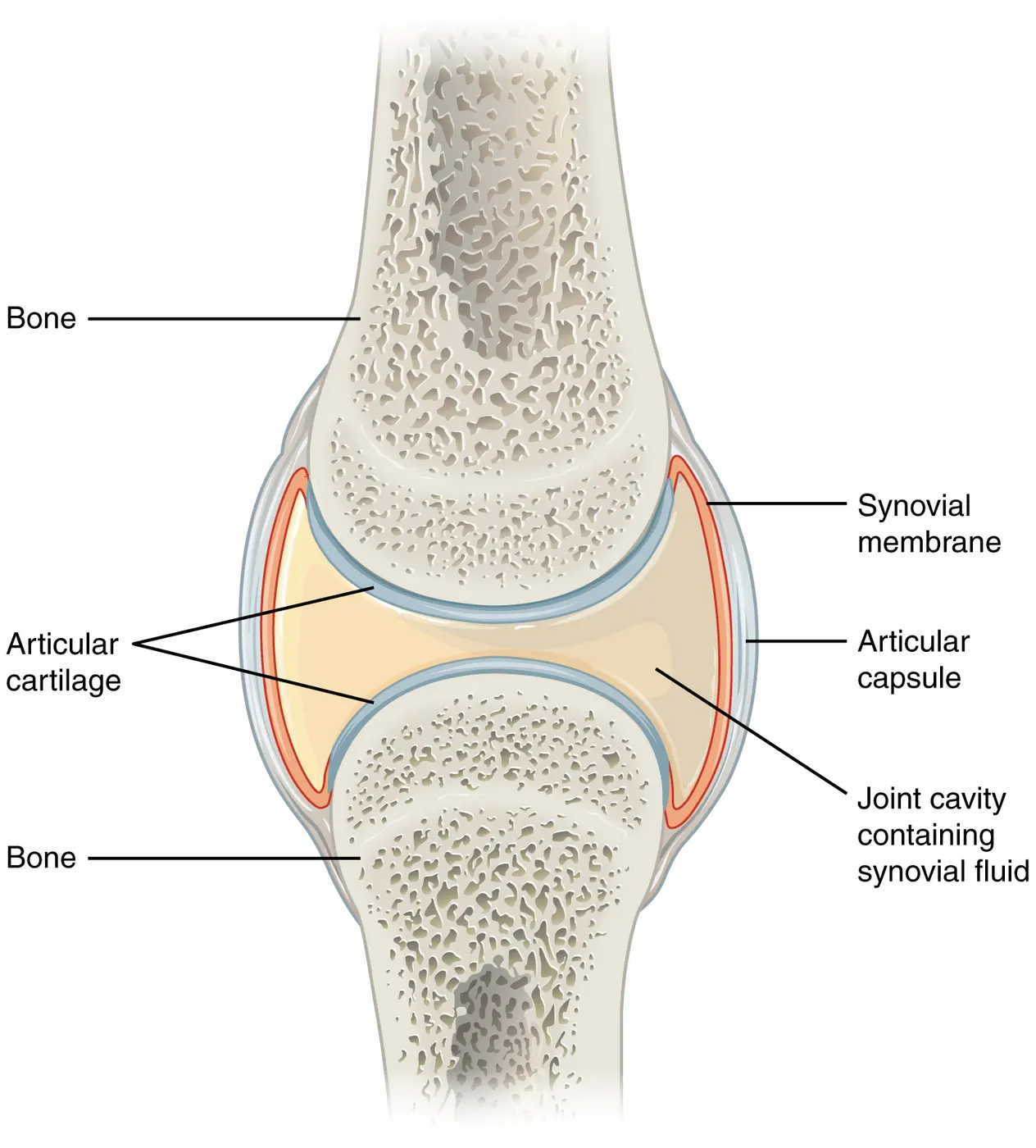
The joints at the base and middle of your fingers are what anatomists call synovial joints. The ends of the facing bones are covered with smooth cartilage, and the gap between them is wrapped in a sac called the joint capsule. Filling that sac is synovial fluid, which works like a lubricant.
Synovial fluid contains small amounts of dissolved gases, such as carbon dioxide. When you bend or pull a finger and suddenly widen the gap in the joint, the pressure inside drops and the dissolved gas comes out as a bubble. The formation of a cavity in a liquid because of a pressure drop is called cavitation. It is a little like the bubbles that appear when you open a bottle of soda.

A joint you have just cracked won’t crack again right away. It is said to take about 20 minutes for the gas to dissolve back into the fluid. That is why you can’t get the same finger to pop twice in a row.
The sound of a bubble forming, or bursting?
So is the sound made at the moment the bubble forms, or the moment it bursts? Researchers have argued about this for nearly half a century.
In 1971, a British research team proposed that the sound comes from a bubble collapsing inside the joint, and for a long time that was the leading explanation. Then, in 2015, a team at the University of Alberta in Canada filmed fingers being pulled inside an MRI scanner. At the moment of the sound, a cavity appeared in the joint—and it was still there after the sound had passed. From this, the team argued that the sound comes from the bubble forming, not bursting.
The imaging, however, ran at only about three frames per second, and the study looked at a single participant. In 2018, researchers in the United States and France published a mathematical model showing that the partial collapse of a bubble could explain the actual sound well. The source of the noise does seem to be a bubble, but the finer details are still unsettled.
Sixty years, one hand
One man decided to test the old warning that knuckle cracking causes arthritis on his own body: Donald Unger, a physician in California.
Dr. Unger cracked the knuckles of his left hand at least twice a day while never cracking those of his right. According to a report he sent to a medical journal in 1998, he had kept this up for 50 years, cracking his left knuckles at least 36,500 times. Even so, neither hand showed arthritis, and there was no difference between them.
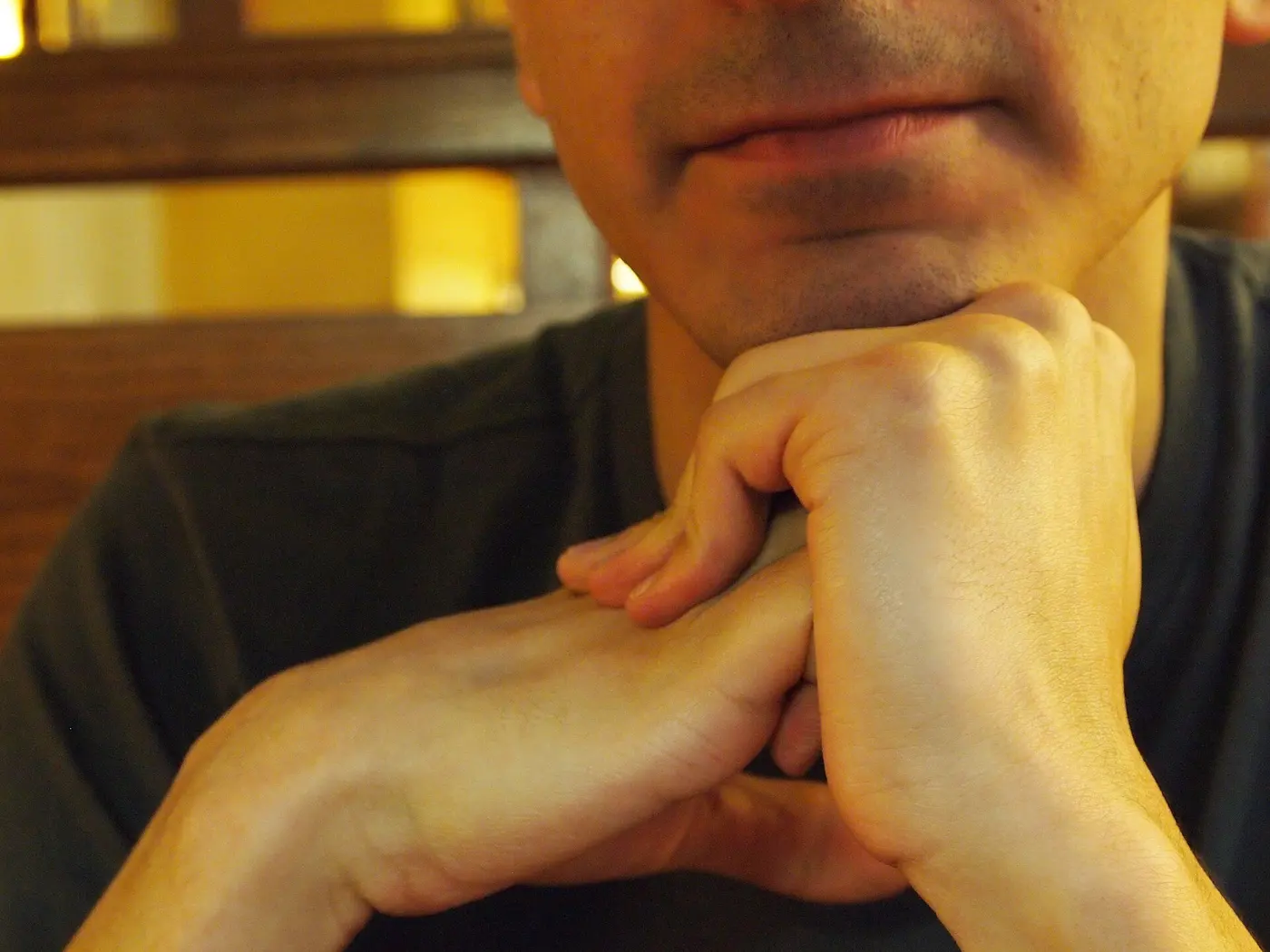

In 2009, this work won the Ig Nobel Prize in Medicine, an award for research that “first makes people laugh, and then makes them think.” The citation praises him for cracking the knuckles of his left hand every day “for more than sixty years.” Of course, comparing the two hands of one person falls well short of scientific proof. Still, it is hard to think of a more patient controlled experiment.
No link to arthritis found
Larger studies exist too. A 2011 study in the United States examined hand X-rays of 215 people aged 50 to 89 and compared knuckle-cracking habits with osteoarthritis. Hand osteoarthritis turned up in about 18% of the crackers and about 21% of the non-crackers. However many years people had been cracking, and however often, there was no evidence that the habit causes osteoarthritis.
On the other hand, a 1990 study of about 300 people found no link to arthritis but reported that habitual crackers tended to have more hand swelling and weaker grip strength. To be honest, there is not yet enough evidence to say it is completely harmless either. If cracking comes with pain or swelling, something else may be going on, so it is worth seeing a doctor.