Do goldfish really have a three-second memory?
No, that’s a myth. Experiments show goldfish can remember what they’ve learned for months.
“A goldfish’s memory lasts only three seconds.” You’ve probably heard it. Sometimes it comes with an explanation: that’s why a goldfish never gets bored in its little round bowl, because every lap brings a brand-new view.
The idea is familiar enough that people half-jokingly compare a forgetful friend to a goldfish. But researchers who have actually studied goldfish memory have come to a very different conclusion.
The three-second claim has no basis
To begin with, no study can be found behind the figure of “three seconds.” Nobody knows when or by whom it was first said. It is a piece of folklore with no clear origin.
Some researchers suggest the myth spread because of the way goldfish are kept. In a small, bare, round bowl, a goldfish has almost no chance to show what it can do. If all you ever see is a fish swimming around in circles, it’s no wonder it looks as if nothing is going on in its head.
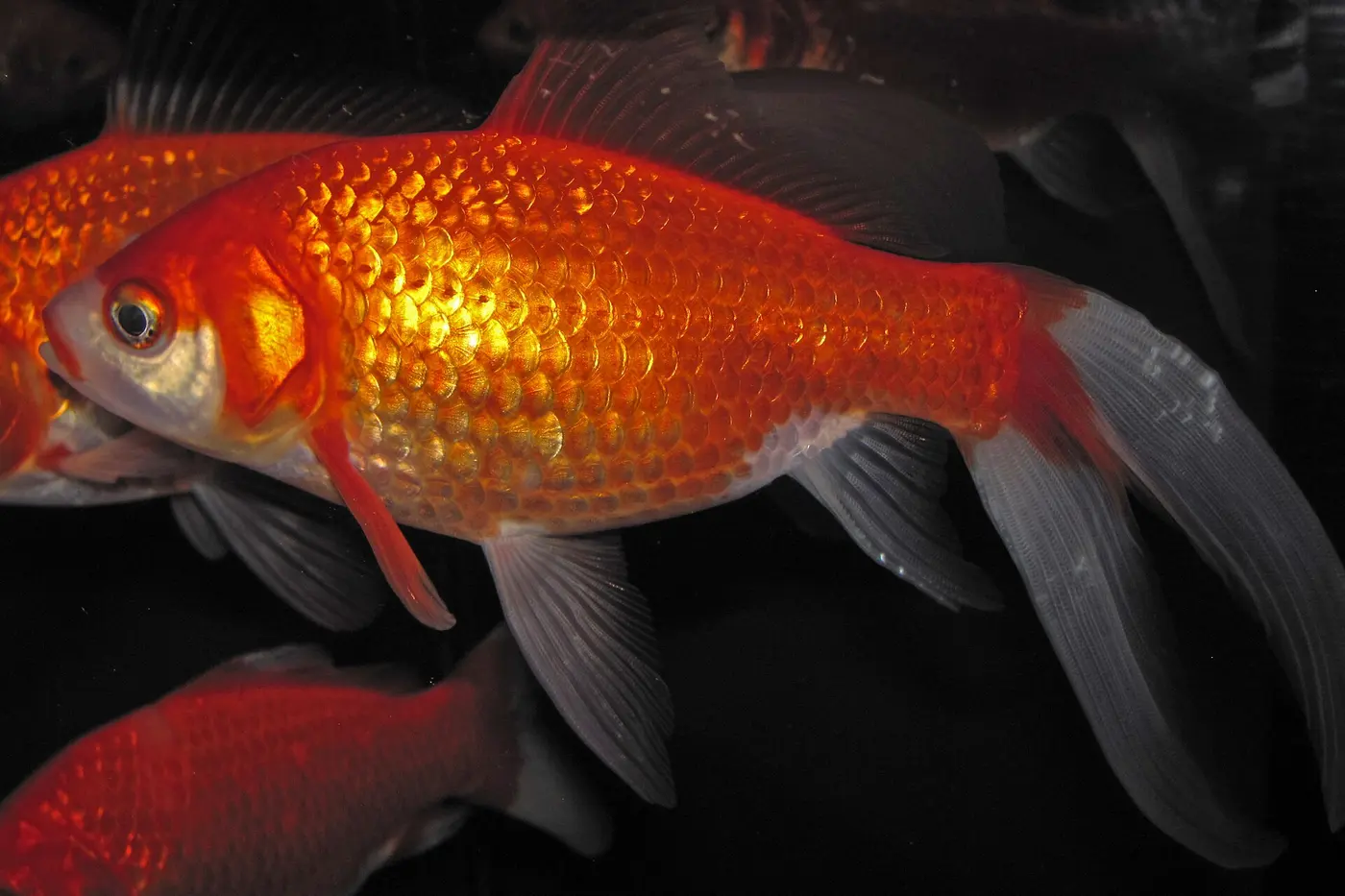
In fact, goldfish have long been one of the standard laboratory animals for studying learning and memory in fish. They are easy to keep, hardy, and respond well to training with food rewards.

Pressing a lever at the right time
One well-known experiment was carried out at the University of Plymouth in England. Researchers fitted a tank with a device that released food when a lever was pressed. The goldfish quickly learned that pushing the lever earned them a meal.
Next, the researchers changed the rules so that the lever produced food during only one particular hour of the day. The goldfish began concentrating their lever-pressing in that hour. They had learned not only the connection between lever and food but also when to press it.
A psychologist involved in the research said that goldfish memories last at least three months. Anyone who has kept goldfish may recognize the scene: feed them at the same time every day, and when that time comes around, they gather at the front of the tank.
A 15-year-old checks in after six days
In 2008, a 15-year-old boy in Adelaide, Australia, made headlines after testing goldfish memory for a school project.
He placed a marker in the tank and fed the fish there every day for three weeks. At first the goldfish took about a minute to reach the marker; by the end, they were swimming over within a few seconds. He then removed the marker for six days. When he put it back, the goldfish swam to it in about 4.4 seconds. It was a small experiment, but hardly a feat for a fish that forgets everything in three seconds.
If anything, goldfish are quick learners. Various experiments have confirmed that they can tell colors, shapes, and sounds apart. Their eyes have cells sensitive to red, green, and blue, plus cells that detect ultraviolet light, so they are thought to see a world of color quite different from ours.
Putting fish memory to work
The fact that fish can learn sounds and signals has even been put to use in fisheries. In Japan, there is a technique called onkyō junchi (音響馴致), or acoustic conditioning: hatchery-raised young fish are fed while hearing a particular sound, in the hope that they can be called back with that sound after release into the sea.
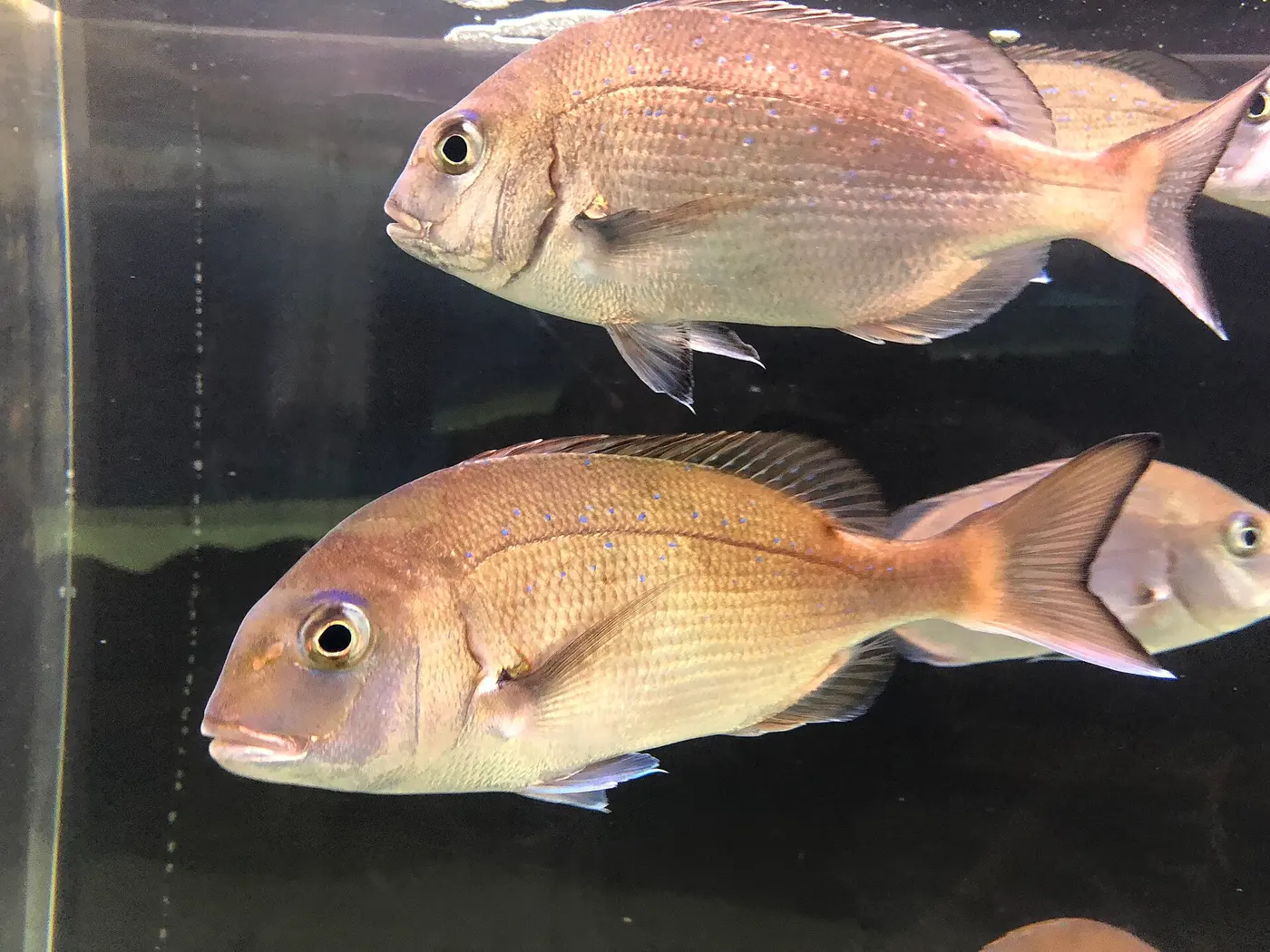
In Oita Prefecture in southwestern Japan, for example, such efforts have targeted red sea bream since the 1980s at a “marine ranch” equipped with underwater sound systems. It has been confirmed that young fish approach the source of the sound, but it has also been pointed out that continuing to call them back for long after they are released into the open sea is not easy. Still, the idea draws on the same ability as the goldfish in the tank: learning the link between a signal and food.