Are elephants really afraid of mice?
There’s no solid evidence. Elephants are thought to startle at anything moving suddenly near their feet.
A huge elephant spots a tiny mouse at its feet, trumpets in terror, rears up on its hind legs and leaps away. It is a familiar scene, drawn again and again in cartoons and comics.
An animal weighing several tonnes, terrified of a mouse that weighs a few dozen grams: the very unlikeliness of it is what makes it funny. But is there any science behind the story? Follow the trail and you end up at a book written nearly 2,000 years ago, and a television experiment.
A tale nearly 2,000 years old
The pairing of elephants and mice goes back a very long way. In the first century, the Roman naturalist Pliny the Elder wrote in his Natural History—something like an encyclopedia of its day—that elephants hate mice above all else and will refuse to eat food a mouse has touched.
His book was widely read in medieval Europe, and the elephant-and-mouse story was handed down again and again. Later, a popular explanation took hold: elephants fear that a mouse might crawl up their trunk. Yet there is no reliable record of a mouse ever getting inside an elephant’s trunk and causing trouble. Elephants can blast air out of their trunks with great force, easily clearing away a bit of debris.
Putting it to the test on TV
The American science show MythBusters set out to test the story for real. At a wildlife reserve in Africa, the team hid a white mouse inside a ball of elephant dung, then rolled the ball away as an elephant approached to reveal the mouse.
The elephant walking toward it stopped dead, backed up, and gave the mouse a wide berth as it passed. When the team rolled the dung alone, the elephant reportedly walked on without a second glance. Based on these results, the show rated the myth “plausible.”
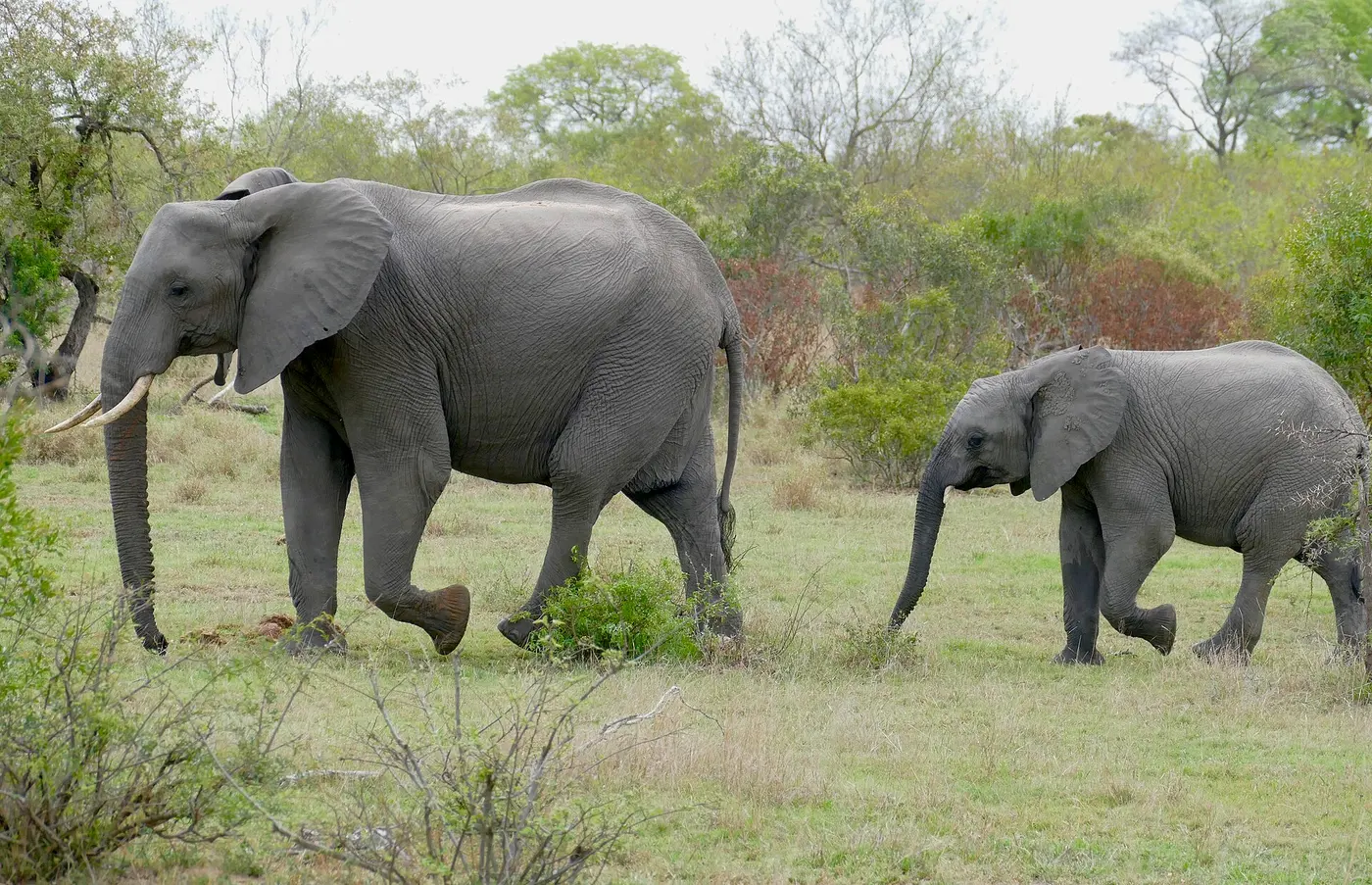

Still, this was a TV experiment, not a scientific study repeated with many elephants under controlled conditions. The elephant did avoid the mouse, but it did not panic or trumpet in fear. From this experiment alone, there is no way to tell whether it was “afraid” or simply wary of something unfamiliar.
Startled by “something” underfoot
So what do elephant experts think?
In zoo elephant houses, it is not unusual for mice to settle in around the hay. Even so, keepers say the elephants pay them almost no attention. If elephants were truly terrified of mice, every day would be pandemonium.
Experts often point to the nature of elephant eyesight. Elephants are said to have rather poor vision, and their big heads and trunks are thought to make it hard for them to see the ground right at their feet. If something small suddenly scurries about in that blind spot, being startled is only natural. The same goes not just for mice but for dogs, snakes and other small animals. Elephants startle not because it is a mouse, but because it is “something moving suddenly underfoot.”
What elephants really avoid
There is, however, one small creature elephants clearly dislike: bees.
In Africa, it has long been said that elephants keep away from trees with beehives. Lucy King, who carried out research with the University of Oxford and other institutions, published a study in 2007 that put this to the test. When recordings of buzzing bees were played to wild elephants, the herds shook their heads and moved away. Later research also reported that elephants make low rumbles that seem to warn others of danger. Elephant skin may be thick, but there are plenty of places—around the eyes, inside the trunk—where a sting would hurt.
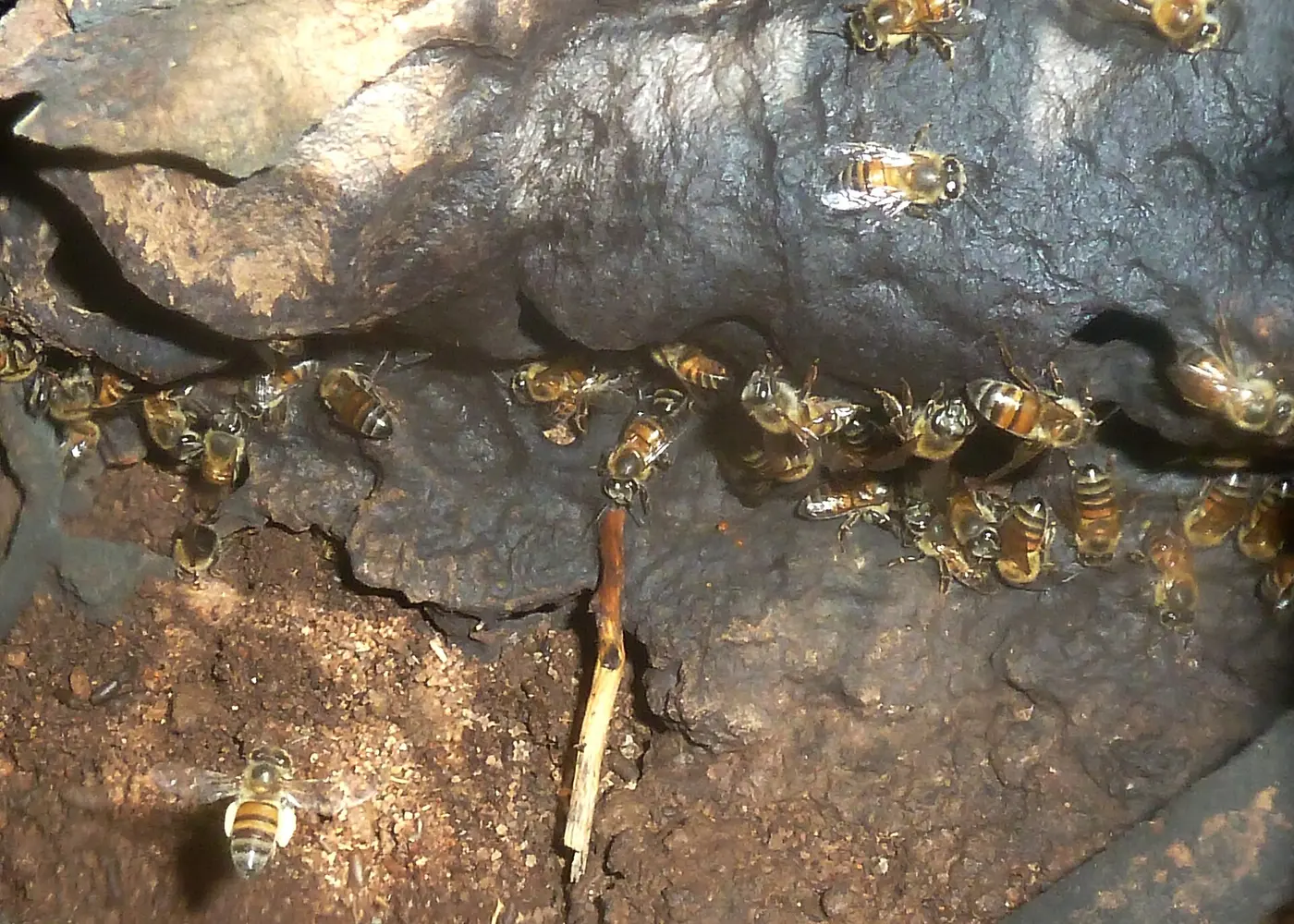

Putting this behavior to use, people came up with the “beehive fence”: a line of hives hung around the edge of a farm field. A nine-year study in Kenya reported that about 86% of the elephants that approached the fences turned back instead of entering the fields. The approach is drawing attention as a way to reduce conflict between elephants and farmers while producing honey at the same time.