What is the fastest animal in the world?
The peregrine falcon in a dive. One was recorded at 389 km/h (242 mph).
389km/h
Ask people to name the fastest animal, and most will think of the cheetah. If you only count animals that run on land, that answer is right. But bring the sky into the contest, and the crown passes easily to someone else.
That someone is the peregrine falcon. Its speed, though, doesn’t come from flying level. It comes from the dive, when it drops out of the sky toward its prey.
A bullet falling from the sky
When a peregrine spots a bird to hunt from high above, it folds its wings and plunges headfirst. This dive, known in English as a “stoop,” is the falcon’s greatest weapon.
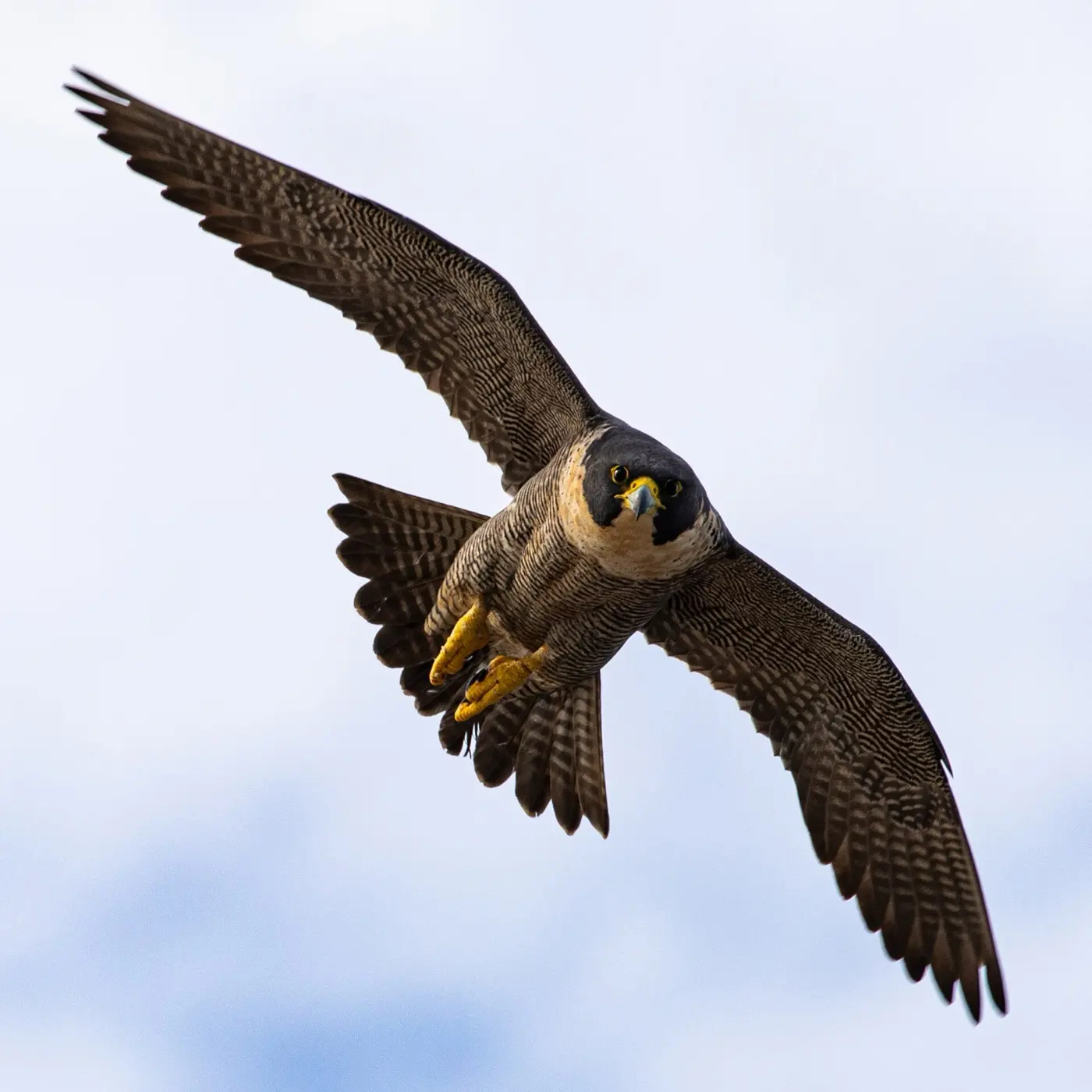

The often-quoted figure of 389 kilometers per hour (242 miles per hour) comes from an experiment carried out in 1999 by an American falconer. He released a trained peregrine from an airplane at an altitude of about 5,000 meters, then skydived after it himself. An altimeter fitted to the falcon’s body recorded how fast it fell.
This was, however, a special record achieved under conditions set up by people. Wild falcons don’t necessarily reach such speeds on ordinary hunts, and their real dives are thought to be slower much of the time. Even so, as a speed reached by a living creature under its own power, the number has no rival.
The cheetah, a genius of acceleration
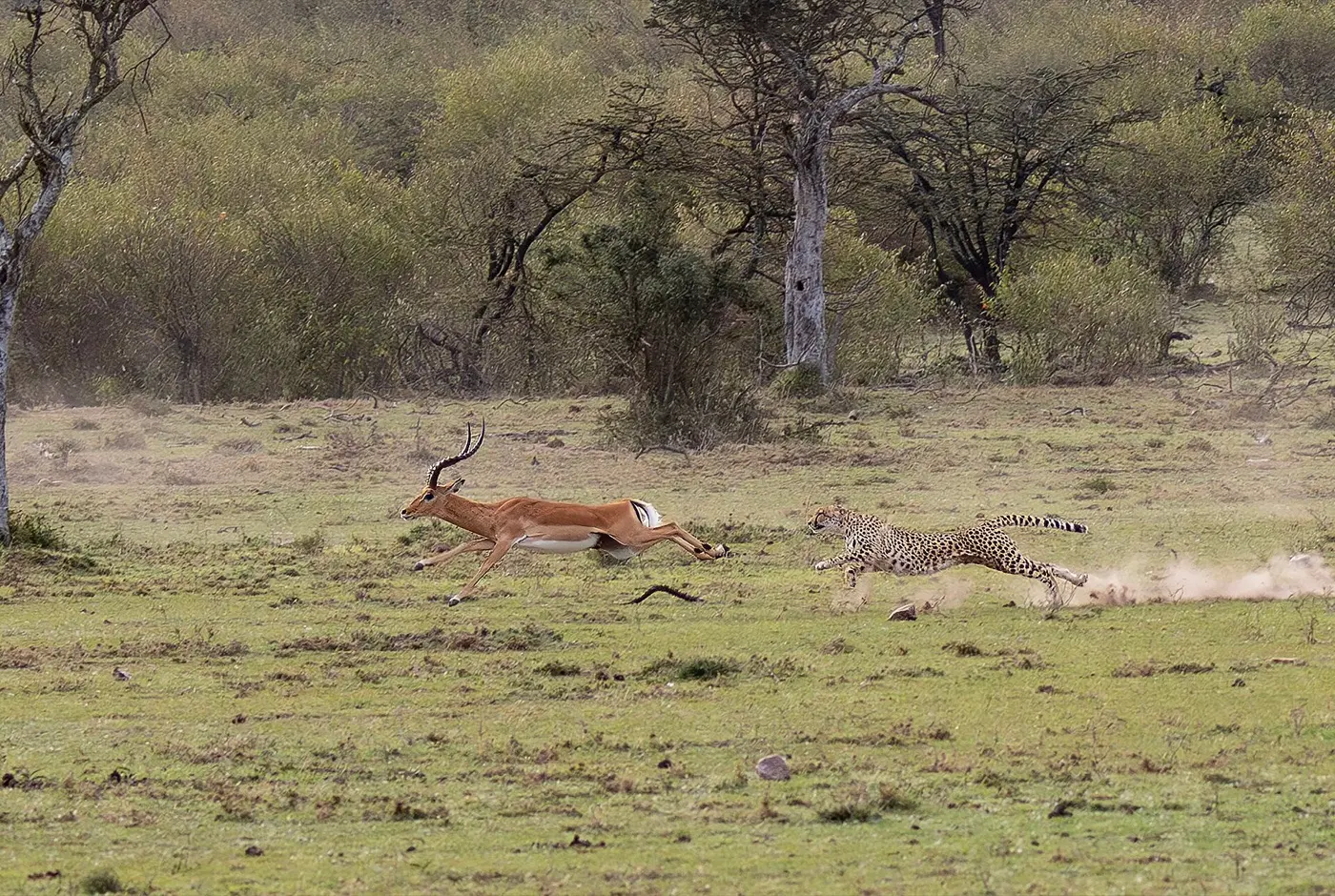
On land, the fastest animal is indeed the cheetah. Its top speed is said to be around 100 kilometers per hour, sometimes more than 110, though these figures vary quite a bit.
In 2013, researchers published a study in which wild cheetahs wore specially built collars that measured how they ran during real hunts. The highest speed recorded was about 93 kilometers per hour (58 mph). What caught the researchers’ attention, though, was less the top speed than how sharply the cats accelerated, braked and changed direction.
A cheetah can’t sprint flat out for long. After a few hundred meters its body temperature rises and it runs out of breath. That is exactly why the ability to hit top speed in an instant, and to cut sharply as fleeing prey twists and turns, decides whether a hunt succeeds or fails.

The ocean’s speed king is a bit doubtful
A name that often comes up as the fastest fish in the sea is the sailfish, with its towering dorsal fin. Field guides and the like sometimes credit it with 110 kilometers per hour.
The basis for that number, however, is rather shaky. It is said to have been estimated from old fishing records, based on how fast a hooked fish pulled line off the reel. Nobody actually measured the speed of the fish itself.
A study published in 2016 estimated the sailfish’s top speed from factors such as how quickly its muscles can contract. The result averaged a little over 8 meters per second, or about 30 kilometers per hour. The researchers also pointed out that at higher speeds, bubbles forming in the water would damage the fins, so going faster than 10 to 15 meters per second would probably be difficult. For now, “110 km/h” is best treated as something close to legend.
Change the yardstick, change the champion
Set the dive aside and compare speeds in level, flapping flight, and the story changes again. In 2016 a study reported that the Mexican free-tailed bat had reached 160 kilometers per hour. Some researchers are cautious about how it was measured, though, so it can’t be called an established record.
If you factor in stamina, you can’t leave out the pronghorn of the North American grasslands. Its top speed falls short of the cheetah’s, but it is said to be able to hold speeds above 50 kilometers per hour for several kilometers.
In the end, “fast” means many things: how fast you fall, run or swim, and how quickly you can accelerate in an instant. Which yardstick you choose reshuffles the lineup of champions.