Were the pyramid workers paid in beer?
Half true. Wages were paid in grain, and part of it was barley, the raw material for beer.
“Workers in ancient Egypt were paid in beer.” You may have heard this one. If you like a pint, it might even make you a little envious.
As it happens, the story isn’t pure invention. But what the workers actually received wasn’t beer poured into a mug. It was the makings of bread and beer. We know this in remarkable detail thanks to a vast trove of records left in the village where the royal tomb builders lived.
The village of the tomb builders
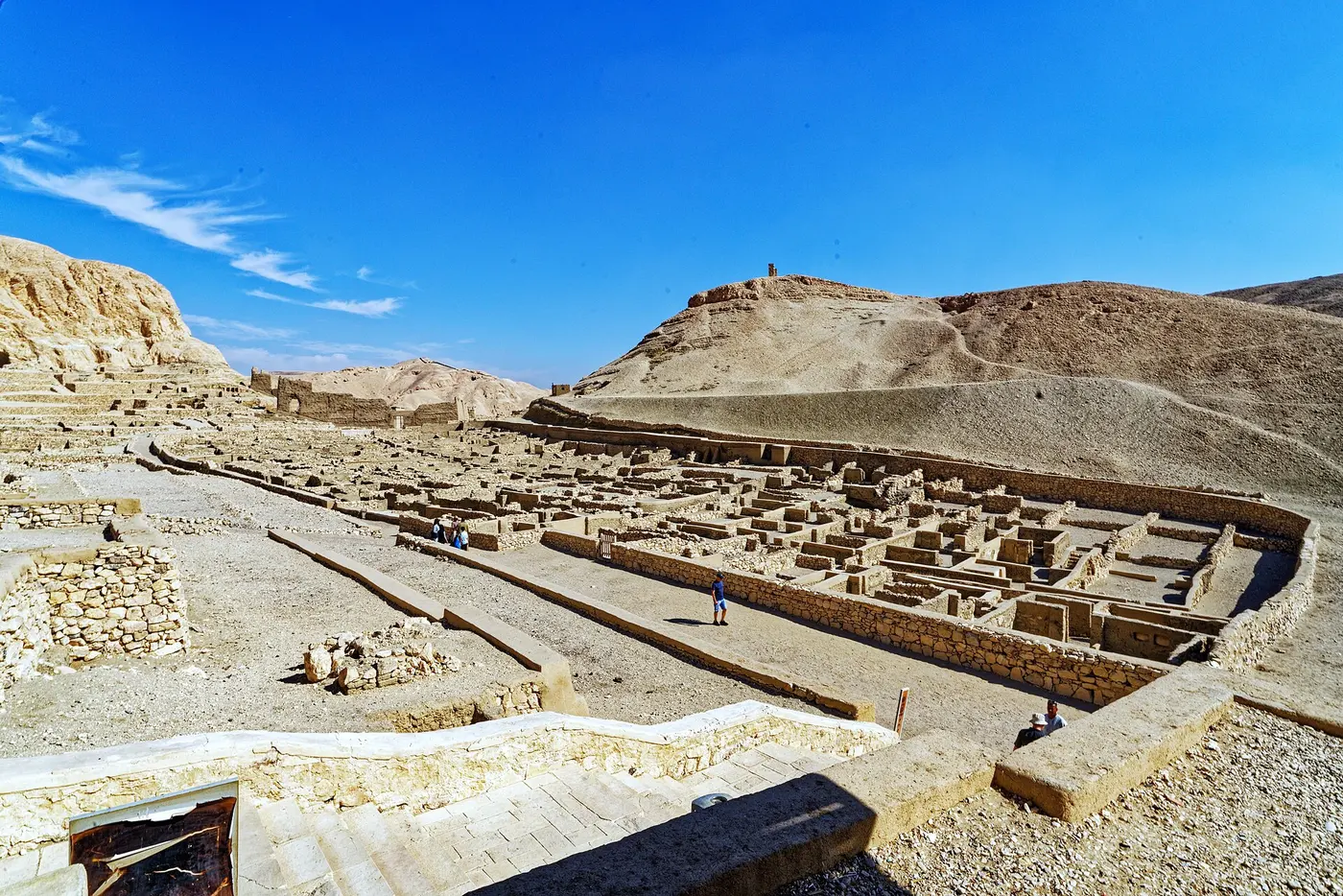
On the west bank of the Nile, across the river from Luxor, lies a site called Deir el-Medina. During the New Kingdom, it was home to the craftsmen who dug the tombs in the Valley of the Kings and decorated them with paintings, along with their families. The village was in use for about 400 years, and at its largest it held around 68 houses.
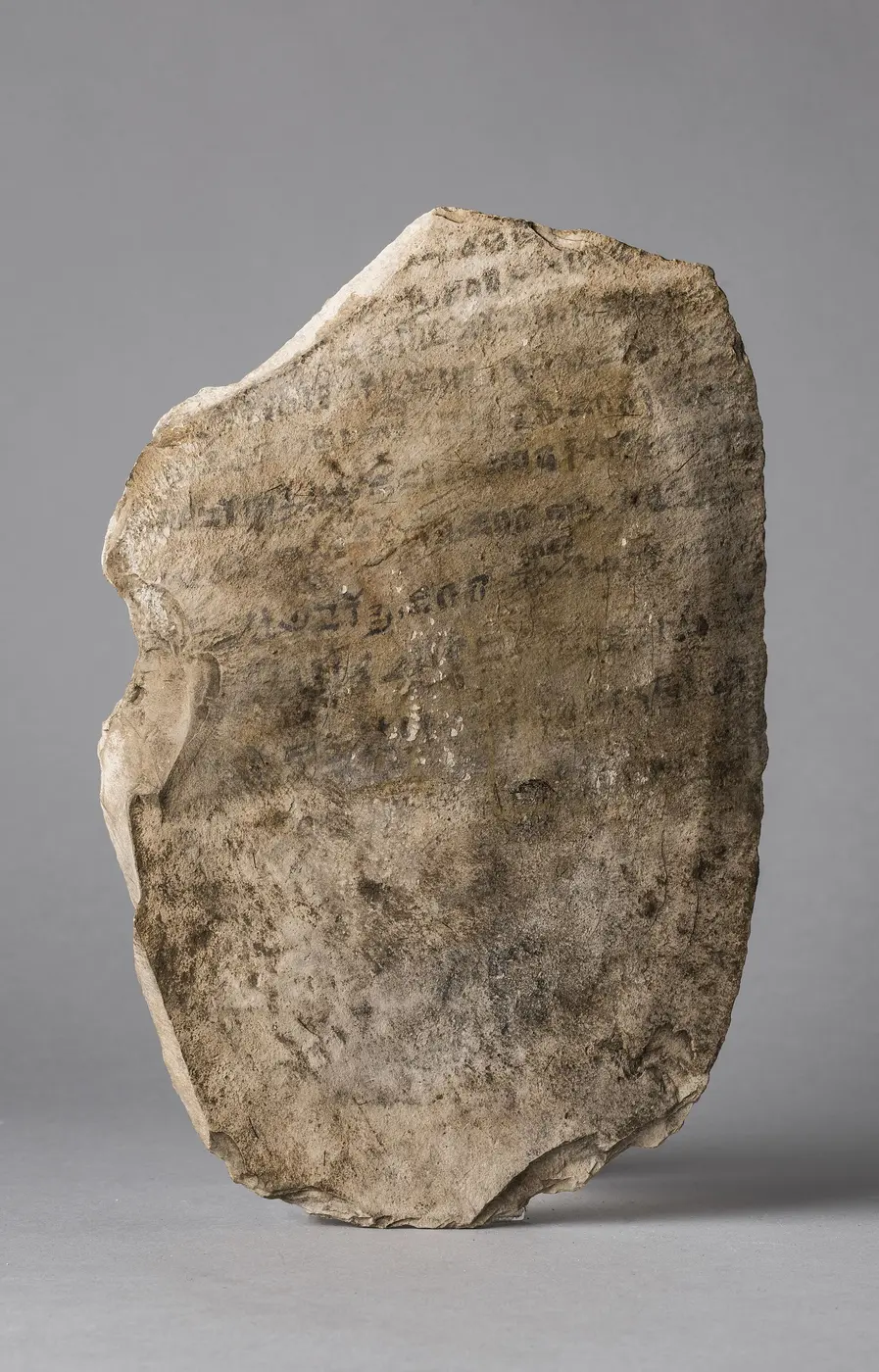
Huge numbers of pottery shards and limestone flakes with writing on them have been found here. These jottings, called ostraca, number in the thousands. They record everyday life in fine detail, from wage payments and trades to who showed up for work. Many people in the village, women included, are thought to have been able to read and write, which is exactly why so much was written down.

Paid in grain
The craftsmen were employed by the state, and their wages were paid each month in grain. According to the records, an ordinary workman received 4 khar of emmer wheat and 1.5 khar of barley. One khar was about 77 liters, so that comes to a little over 400 liters a month. The foremen who led the work crews received 5.5 khar of emmer and 2 khar of barley.
Emmer went into bread, and barley mostly into beer. In other words, the wages were the raw materials for bread and beer. It was far more than one person could eat, but it fed the family, and the surplus is thought to have been traded for other goods. Egypt had no coins at the time; grain itself did the job of money.
Besides grain, the workers were also supplied with fish, vegetables, oil for anointing the body, and clothing. Their pay is said to have been up to about three times that of a field hand.
Day off: “brewing beer”
Beer was the everyday drink of the time, taken in place of water. It is thought to have been cloudier than modern beer and closer to a nourishing food. Beer was made at home, and the brewing was usually overseen by the mistress of the house.
Sometimes, that brewing became a reason to miss work. An ostracon in the British Museum, dated to the 40th year of the reign of Ramesses II (around 1250 BCE), lists the names of about 40 workmen, the days they were absent, and why. Alongside reasons such as “ill,” “looking after a sick colleague,” “stung by a scorpion,” and “his wife was bleeding,” the entry “brewing beer” appears again and again.

Incidentally, the craftsmen’s schedule was eight days of work followed by two days off. Ancient Egypt had a “weekend” of its own.
No pay, so they went on strike
With grain as their wages, a missed delivery meant they couldn’t live. In the 29th year of the reign of Ramesses III, in the 1150s BCE, the rations ran badly late, and the craftsmen finally laid down their tools.
They marched to the nearby funerary temples and staged sit-ins, protesting: “We are hungry, for 18 days have already passed this month.” At night, it is said, they carried on by torchlight. The scribe Amennakht recorded the episode on papyrus, and in the end the workers received their overdue pay. The papyrus is said to be the oldest detailed record of a strike, and it is now kept at the Museo Egizio in Turin, Italy.