What is the driest place on Earth?
Antarctica’s Dry Valleys: valleys on the ice continent with almost no snow or ice at all.
Say “the driest place in the world,” and most people picture the Sahara: a blazing sun and sand dunes rolling to the horizon. Yet the first name that comes up among candidates for the driest place on Earth is, surprisingly, Antarctica, a place most of us picture as nothing but snow and ice.
Antarctica is a continent buried in ice, but judged by precipitation, most of it qualifies as desert. What makes a desert is not heat or sand, but how little falls from the sky. And the driest part of all is a region near the Ross Sea known as the McMurdo Dry Valleys.
Ice-free valleys on the ice continent
The Dry Valleys are a cluster of valleys where, unusually for Antarctica, the bare ground is exposed. With their spreads of rock and gravel, they look less like the frozen south than like some desolate alien planet.
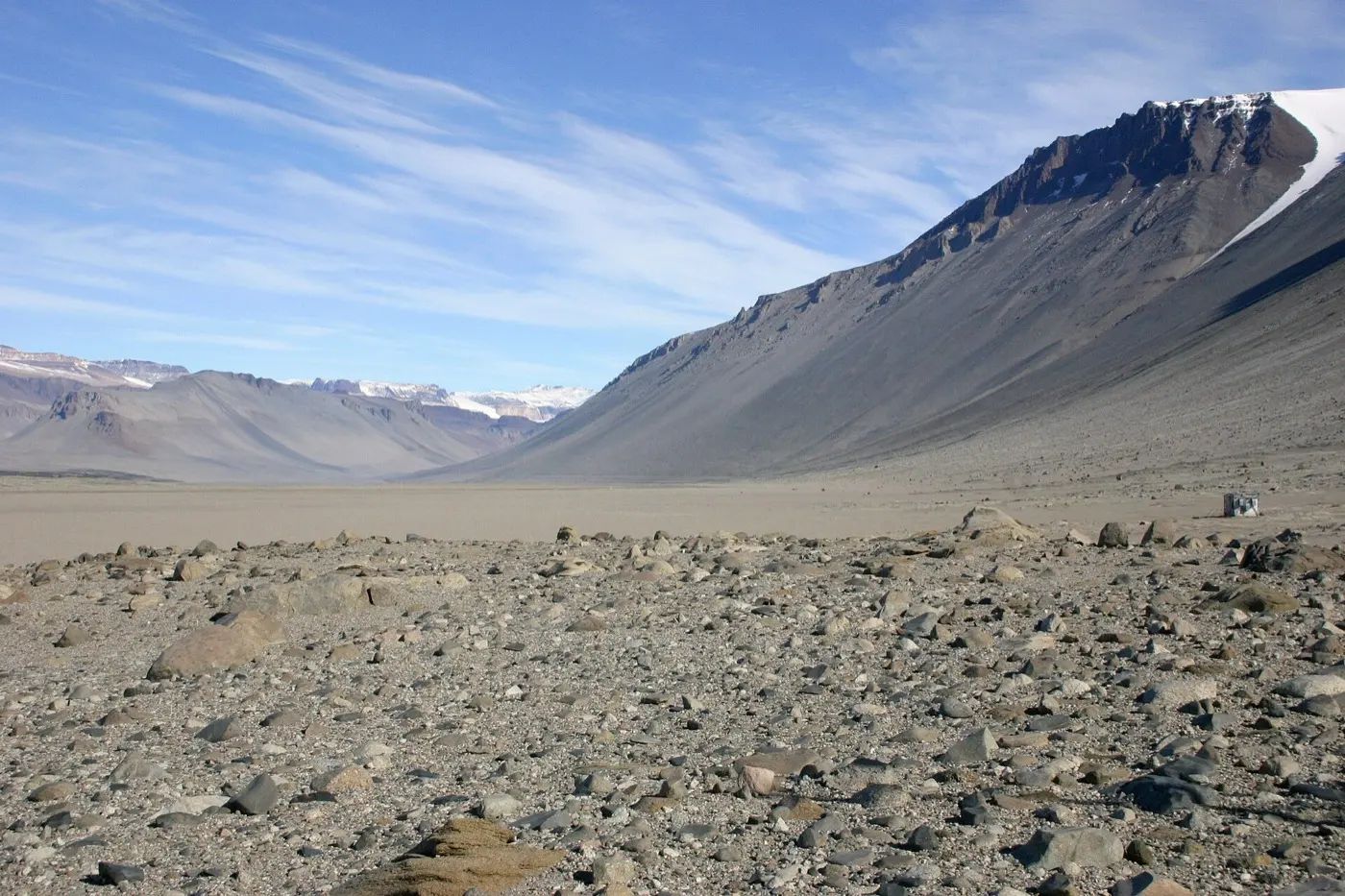

There are two main reasons the area is so dry. First, the Transantarctic Mountains that surround it block moist air flowing in from the sea. Second, there are the katabatic winds that pour down from the high interior plateau. These are streams of cold, heavy air racing downhill, and they are said to sometimes exceed 300 kilometers per hour (about 190 miles per hour). These dry, fierce winds turn what little snow does fall into water vapor before it has a chance to melt. (Ice changing straight into gas without becoming liquid first is called sublimation.)
As a result, it is said that no real rain has fallen in these valleys for about 2 million years. Estimates vary, but the idea that the valleys have stayed dry since long before our own species, Homo sapiens, even appeared is astonishing.
Seals that don’t decay for centuries
Because it is so cold and so dry, things in the Dry Valleys barely rot. Seals that wander in from the sea sometimes die deep in the valleys, and some have been found still lying there, mummified, after hundreds of years or, in some cases, even longer.
An environment where microbial activity nearly grinds to a halt is a perfect testing ground for researchers studying the limits of life. In fact, during preparations for NASA’s Viking missions to Mars in the 1970s, these valleys drew attention as a place on Earth that resembles Mars.
A desert where rain makes the news
Outside the polar regions, the driest desert is said to be the Atacama in Chile, South America. It stretches in a long, narrow strip along the Pacific coast, squeezed between the cold Humboldt Current offshore and the Andes to the east, so rain clouds rarely have a chance to form.
In Arica, a port town at its northern tip, average annual rainfall is said to be less than 1 millimeter. According to the records, there was a stretch from October 1903 to January 1918, about 14 years, when not a single drop of rain was observed. A child born at the start of it would have been a teenager before ever seeing rain.
Rehearsal stage for Mars
In the heart of the Atacama, in an area called Yungay, the soil holds extremely few traces of life, and its chemistry is thought to resemble that of Martian soil. For that reason, NASA and other research teams have used it to test rovers and drilling equipment designed for exploring Mars.
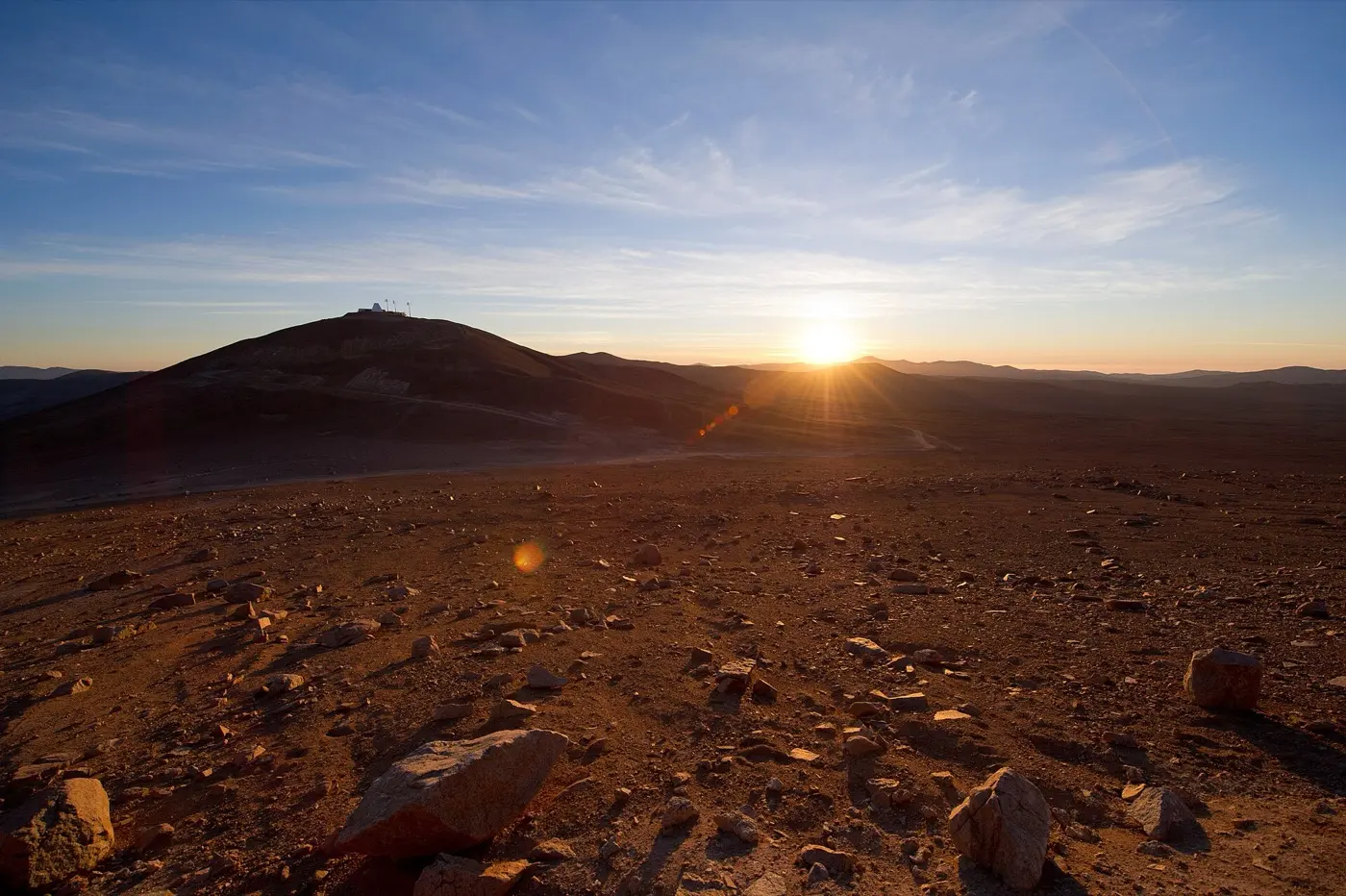

If you want to build a machine that searches for signs of life on Mars, you first have to make sure it works properly in soil that contains almost nothing. The place on Earth with the faintest trace of life has become a practice ground for searching for life on another planet. Dryness itself has turned into a doorway to space, and an empty desert into a stand-in for another world.
Incidentally, the answer to “Where is the driest place?” depends on whether you compare rainfall or the humidity of the air. The Dry Valleys and the Atacama can each be called the world’s driest, depending on the yardstick. Think of them as the two titans of dryness.