Is Japan the only country that sings Beethoven’s Ninth at year’s end?
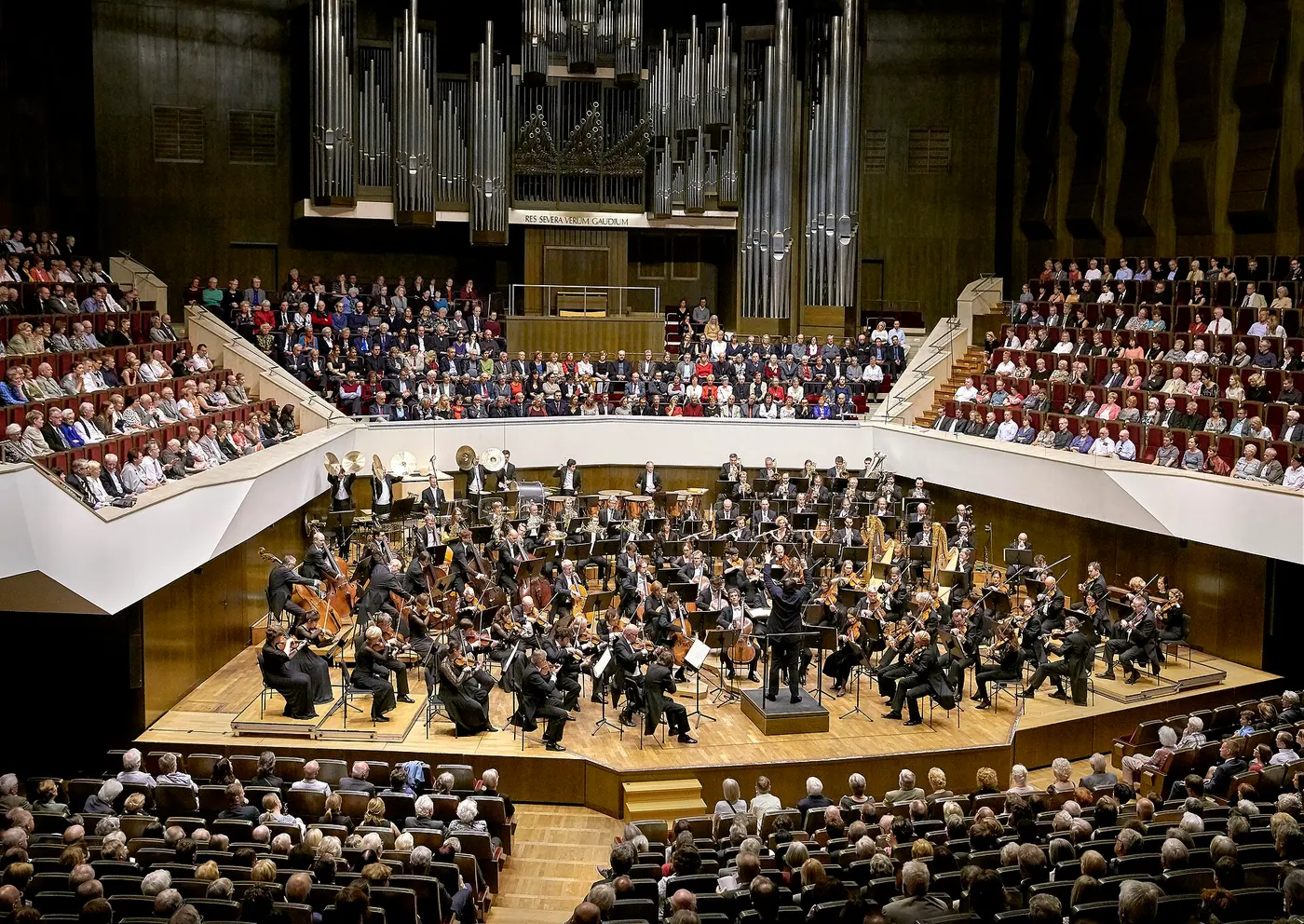
No. In Leipzig, Germany, Beethoven’s Ninth has been played on New Year’s Eve since 1918.
10,000singers
In December, concert halls across Japan fill with Beethoven’s Symphony No. 9, known in Japanese simply as Daiku, “the Ninth.” Professional orchestras are joined on stage by community choirs and school choral clubs, all singing the “Ode to Joy” in the final movement together.
Hearing the Ninth, or singing it, at the end of the year is often described as a uniquely Japanese custom. And it is true that no other country seems to cram quite so many performances of the Ninth into December. But the idea of playing the Ninth on New Year’s Eve came from overseas.
It began on New Year’s Eve in Leipzig
On New Year’s Eve 1918, just after the end of the First World War, an educational institute for workers in the German city of Leipzig held an event billed as a celebration of peace and freedom. The music was entrusted to the renowned Gewandhaus Orchestra and its conductor Arthur Nikisch, and the work was Beethoven’s Ninth.
The concert is said to have started at about 11 p.m., timed so that the final chorus would welcome in the new year. The idea stuck. It was deliberately revived after the Second World War, and the Gewandhaus Orchestra still plays the Ninth at the turn of every year.

Japan’s year-end Ninth dates from 1940
In Japan, the turning point came on the night of December 31, 1940. The New Symphony Orchestra, today’s NHK Symphony Orchestra, played the Ninth under the conductor Joseph Rosenstock, and the performance was broadcast live across the country on NHK radio. The reason given for the program, it is said, was that in Germany the Ninth was customarily played on New Year’s Eve.
After the war, in December 1947, the Japan Symphony Orchestra (again, today’s NHK Symphony) gave three performances of the Ninth at Hibiya Public Hall in Tokyo. From around then the year-end Ninth gradually took hold. When television broadcasting began in Japan in 1953, the year-end Ninth was soon being televised too.
Another reason for all those December concerts
Money is also said to have played a part. In the years just after the war, orchestras earned little, and their musicians needed what Japanese call mochi-dai, “rice-cake money,” to get through the New Year holidays. The Ninth has a large choir, so the singers’ families and friends filled the seats, and tickets sold well.
In time, concerts in which amateur choirs sing the Ninth spread across the country. A 1956 performance by the Gunma Symphony Orchestra in Gunma Prefecture, north of Tokyo, is credited as one of the successes that helped the custom spread nationwide. In 1983 the “10,000 Ninth” concert began as the opening event of Osaka-jo Hall in Osaka, and it has become a December fixture in which about 10,000 members of the public sing together.
Where Japan first heard the Ninth
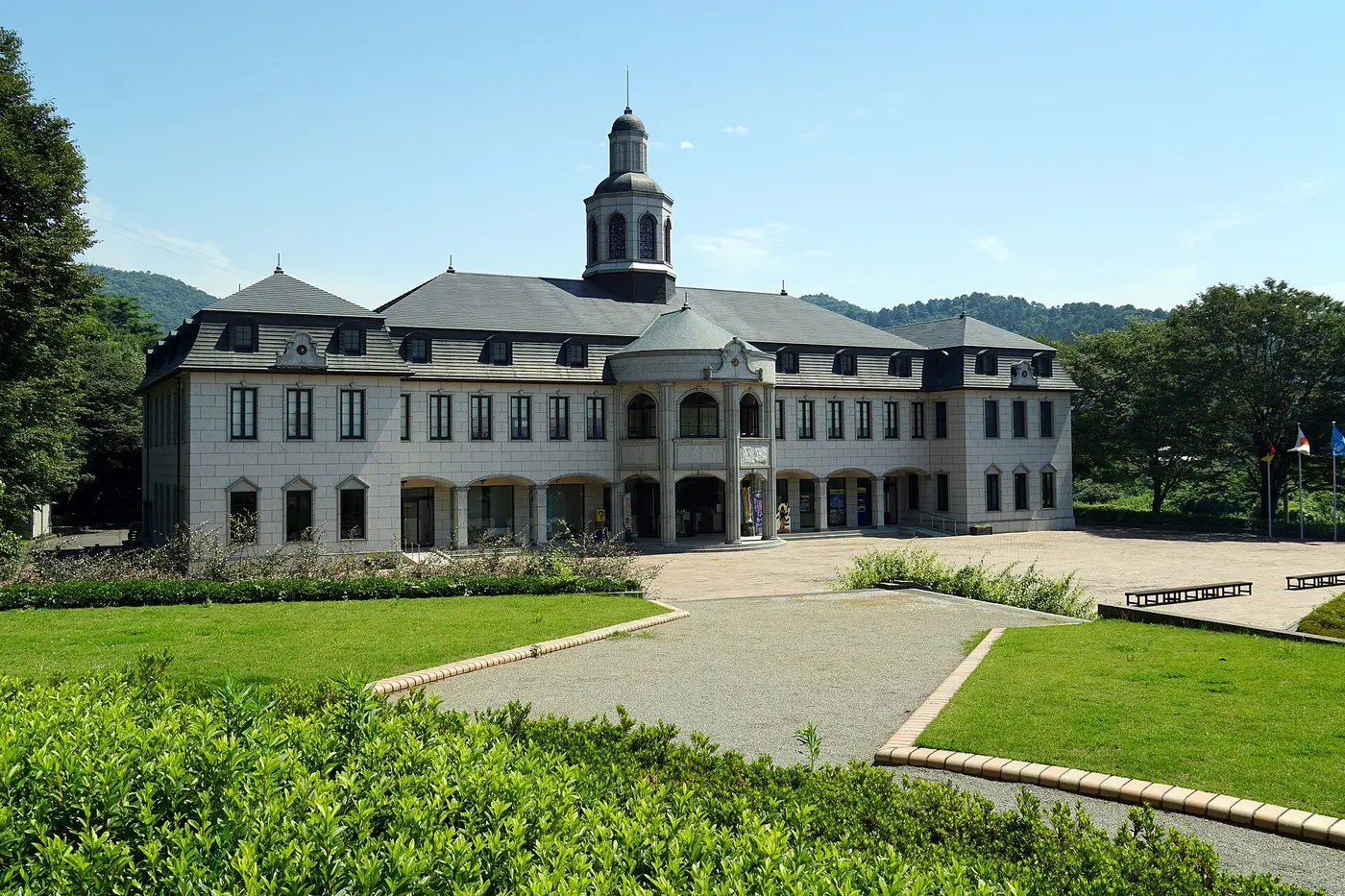
Oddly enough, the first complete performance of the Ninth in Japan took place not at year’s end but in early summer. On June 1, 1918, at the Bando prisoner-of-war camp in what is now Naruto, Tokushima Prefecture, on the island of Shikoku, German soldiers captured in the First World War played the whole symphony. The camp held about 1,000 German prisoners, who formed orchestras and choirs and gave more than 100 concerts in roughly three years. The humane treatment of prisoners under the camp commandant, Toyohisa Matsue, and lively exchanges with local people made this possible.

That was a performance by prisoners inside the camp, and men sang the women’s parts too. The first complete performance by Japanese musicians came in November 1924, at a concert of the Tokyo Music School, today’s Tokyo University of the Arts.