Can a cockroach live without its head?
For a while, yes. It is often said to last about a week, and some have reportedly survived for several weeks.
It scuttles out of a dark corner of the kitchen and makes us jump. The cockroach’s staying power is legendary, and you may have heard that “even with its head cut off, it lives for a week.”
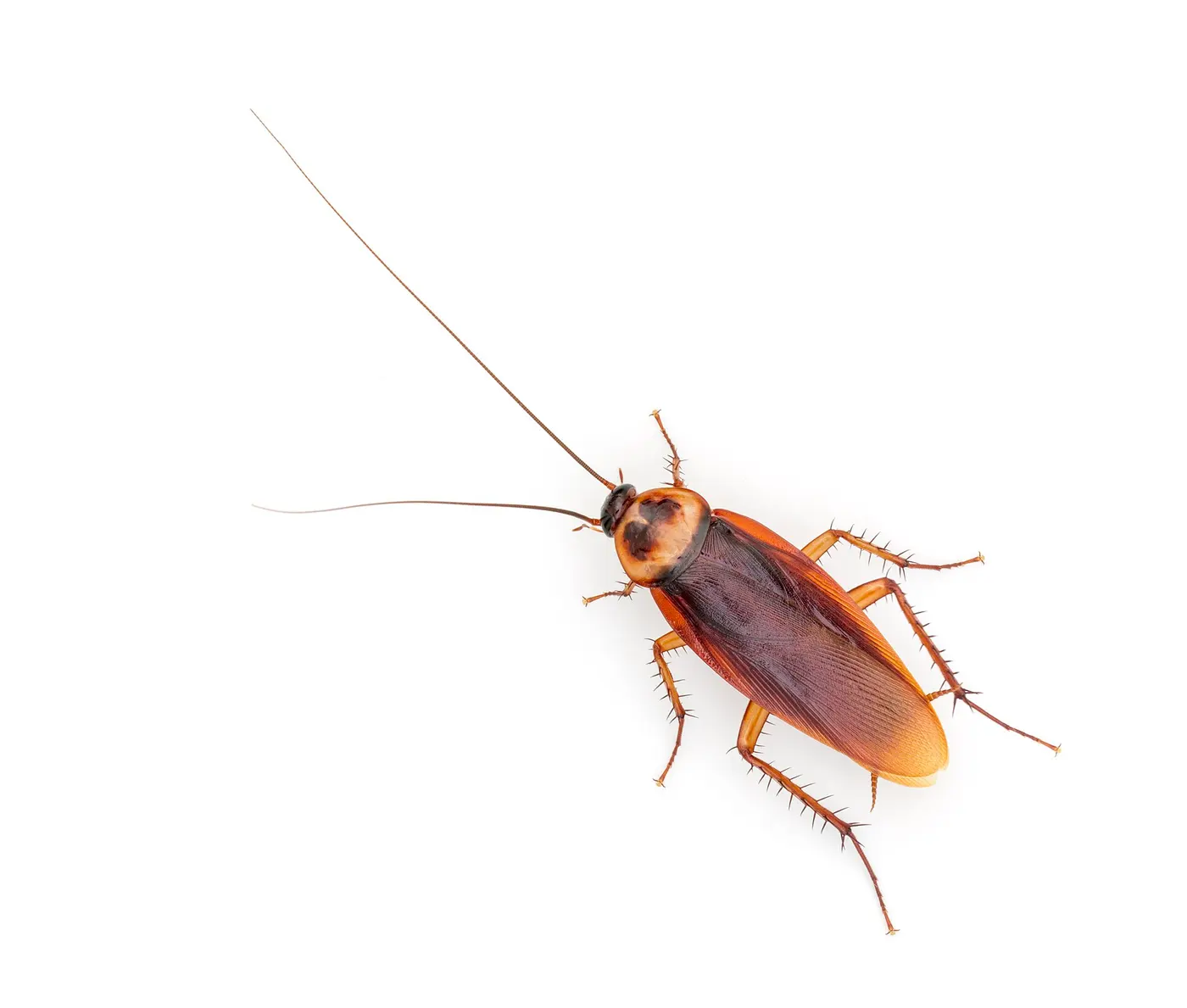
It sounds like an urban legend, but a good deal of it is true. A headless cockroach can stay on its feet for some time, and if you touch it, it may even move its legs to get away. How is that possible? The answer lies in a body built completely differently from ours.
A body that doesn’t bleed out
A human who lost their head would die almost instantly from massive blood loss and the end of breathing. A cockroach is far less vulnerable to either.
For one thing, its blood flows differently. In our bodies, the heart pumps blood at high pressure through a closed network of vessels. An insect’s blood, called hemolymph, isn’t confined to vessels; it slowly fills and flows through the spaces inside the body. This is called an open circulatory system. An insect’s heart is a long, thin tube running along its back. It pushes hemolymph forward toward the head, and from there the fluid simply drifts back through the body, a leisurely arrangement. Because the pressure is so low, a severed neck doesn’t spurt blood. According to Joseph Kunkel, a physiologist at the University of Massachusetts Amherst, the wound often seals itself as the blood clots.
Breathing through holes in the body
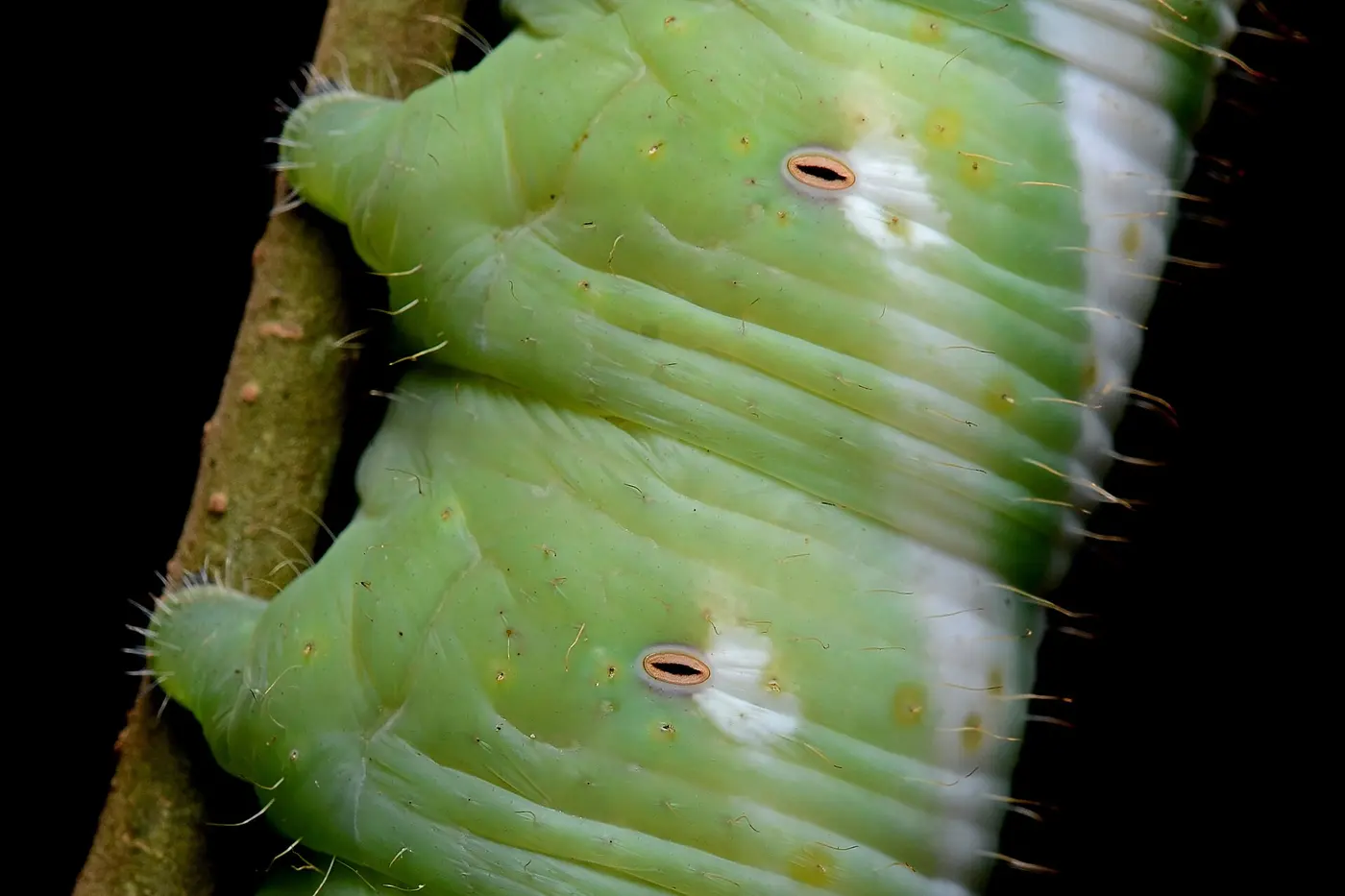
Then there is breathing. Cockroaches don’t breathe through a mouth or nose. Along the sides of the thorax and abdomen is a row of small holes called spiracles. Air taken in through them travels down fine tubes called tracheae directly to tissues throughout the body.
In humans, part of the brain sets the rhythm of breathing, but a cockroach’s breathing doesn’t depend on the brain in its head. Even without a head, air keeps flowing in through the holes in its sides.

A body that moves without a brain
Still, how can it stand or walk with no brain? In insects, the nervous system isn’t all concentrated in the head. Each segment of the thorax and abdomen has a cluster of nerve tissue called a ganglion, which can handle simple reflexes such as leg movements. It is a bit like the knee-jerk reflex in humans, where your leg kicks up without any input from the brain. That is why a headless cockroach can keep standing and respond to touch.
These are only the simplest reactions, though. Anything more complex, like learning or setting out to look for food, is out of the question without a head.

Done in by thirst
So how long can a headless cockroach survive? It is commonly said to last about a week. One researcher who sealed the wound with dental wax found that some lived on in a jar for several weeks. Insects don’t spend energy keeping their bodies warm, so a single meal can tide them over for weeks.
Eventually, though, the end comes. Without a mouth, the cockroach can’t drink, and it is often said to die of thirst in the end. Kunkel also notes that infection by mold or bacteria, or being eaten by another animal, can finish it off.
The severed head, by the way, doesn’t die right away either. It keeps waving its antennae for several hours, and if it is given nutrients and kept refrigerated, it can last even longer.