Why do cats purr?
Purring is thought to be a way of communicating. Exactly how cats make the sound is still being studied.
Stroke a cat, and sooner or later a low rumble starts up from somewhere inside it. You don’t even need to lean in to hear it; the fine vibration comes right through the palm of your hand.
Purring is famous as the sound of a contented cat. Yet the most basic questions about it—how cats produce it, and what it is for—still have no settled answer. That is remarkable for such a familiar sound from such a familiar animal, kept in homes all over the world by the hundreds of millions.
Something trembling deep in the throat
The purr comes from the larynx, the voice box deep in the throat. It is the same organ a cat uses to meow, but the way it is used is quite different.
An ordinary meow is made only while breathing out. A purr carries on through both the in-breath and the out-breath, which is why it seems to rumble on without a break. Its pitch is very low, usually around 20 to 30 vibrations per second, or about 20 to 30 hertz. That is far lower even than a deep male human voice.
Since the 1970s, the widely accepted explanation has been that signals from the brain make the muscles around the vocal cords contract and relax in a regular rhythm, dozens of times a second, and that this produces the sound. The idea was that a small animal weighing only a few kilograms could make such a low sound only thanks to a special muscle-driven mechanism.
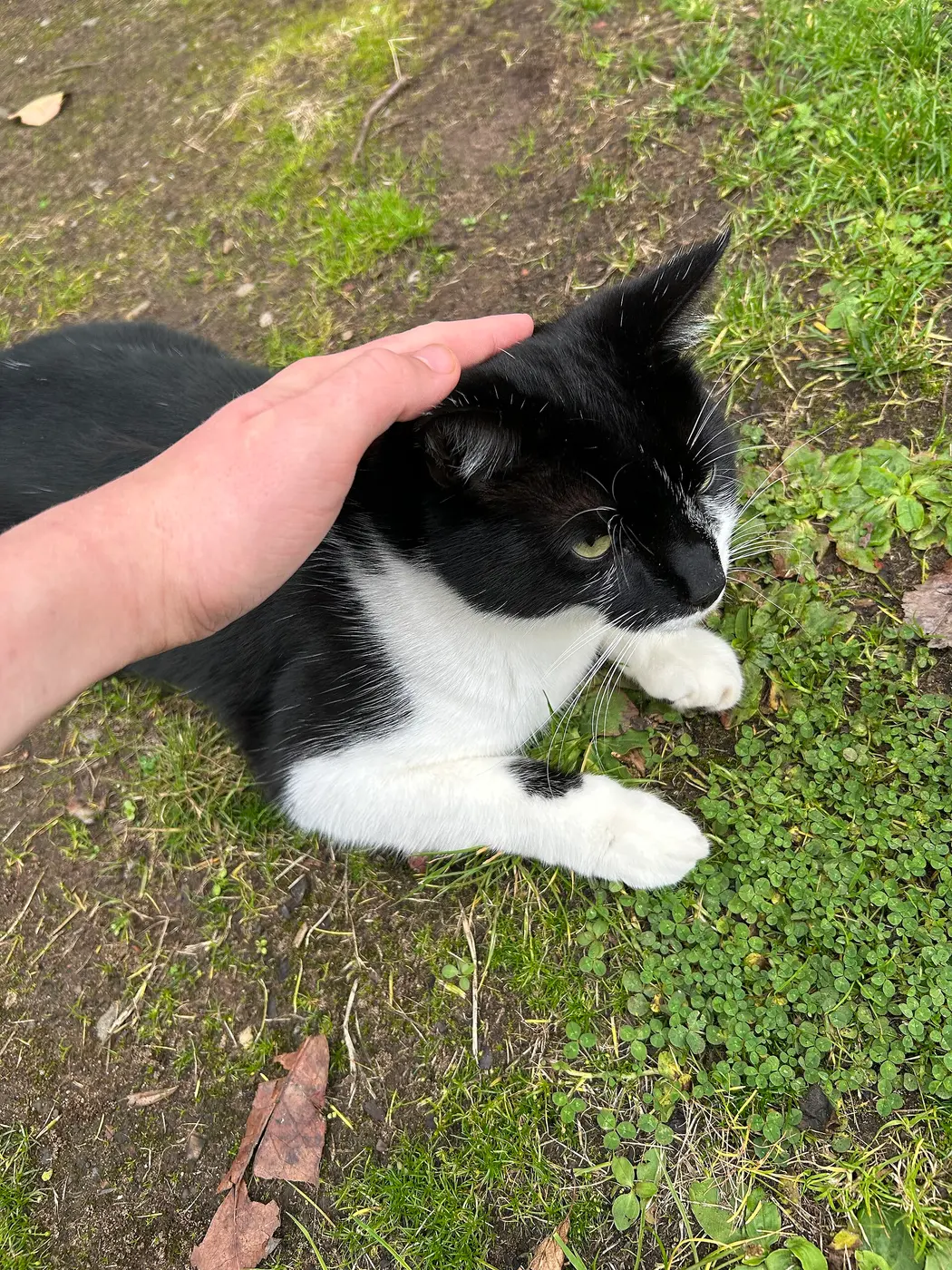

A 2023 twist: the “purring cushion”
That textbook account was shaken by a paper published in 2023 by a research team led from the University of Vienna in Austria.
The team worked with larynges donated from cats that had been euthanized because of illness or other reasons, and blew warm, humid air through them. Even with no signals from a brain and no rhythmic muscle contractions, the larynges vibrated at the same low frequencies as a purr.
The key seems to be thick “pads” of connective tissue embedded in a cat’s vocal cords. The researchers think these cushion-like structures add weight to the vocal cords, making it easier for them to vibrate slowly. The way the sound was produced reportedly closely resembled “vocal fry,” the low, creaky voice people sometimes put on deliberately.
That doesn’t mean the mystery is solved. In a living cat, how the work of the muscles combines with the properties of the vocal cords themselves is still unclear.
Not just “I’m happy”
So why do cats purr at all?
Newborn kittens can barely see or hear. Within a few days of birth they begin to purr, and a nursing mother purrs back. This is thought to be their first form of communication: a way of saying “I’m here” through vibration more than through sound.
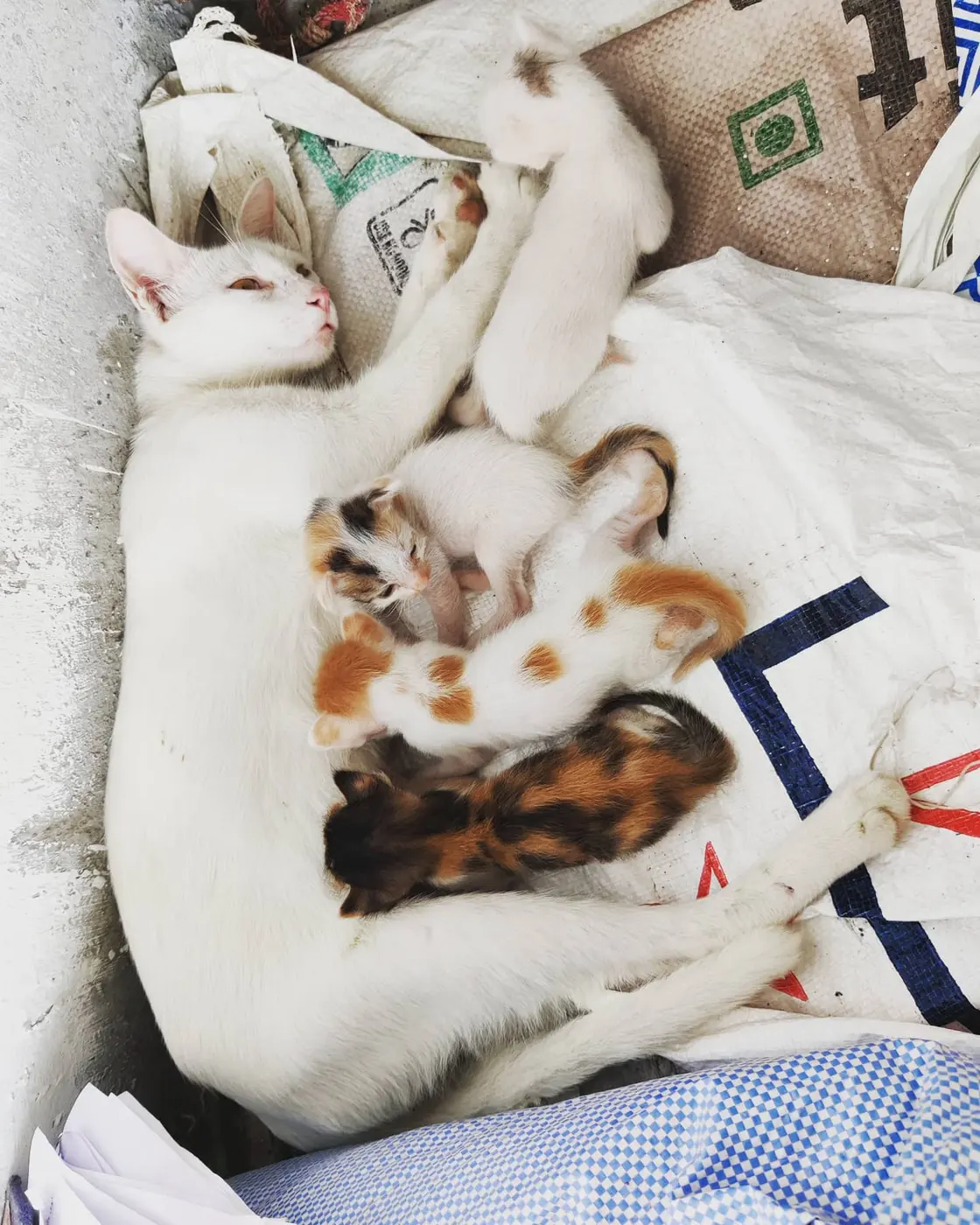

On the other hand, cats also purr when they are injured, when they are giving birth, and on the examining table at the vet—moments when they can hardly be feeling content. Rather than a simple signal of happiness, purring may be a broader message along the lines of “I want to calm down” or “stay with me.”
What’s more, in 2009 a research team at the University of Sussex in England reported that when cats purr to ask their owners for food, the purr contains a component that sounds like a high-pitched cry. This sound, not unlike a human baby’s cry, apparently comes across as more urgent than an ordinary purr. Cats may be changing the way they purr to get people moving.
A vibration that heals bones?
There is one more intriguing hypothesis about purring. Many reports put the frequency of a cat’s purr roughly in the range of 25 to 150 hertz, and in medicine, vibrations in this range have been studied for their possible ability to help bones and tissues recover. From this came the idea that cats use purring to heal themselves.
It is an appealing thought, but no study has yet directly confirmed that a cat’s purring actually speeds up the healing of broken bones. For now, it is best seen as a hypothesis still waiting to be tested.