Where is Chopin’s heart?
Inside a pillar of the Holy Cross Church in Warsaw, Poland. His body lies in Paris, but his heart went home.
2064
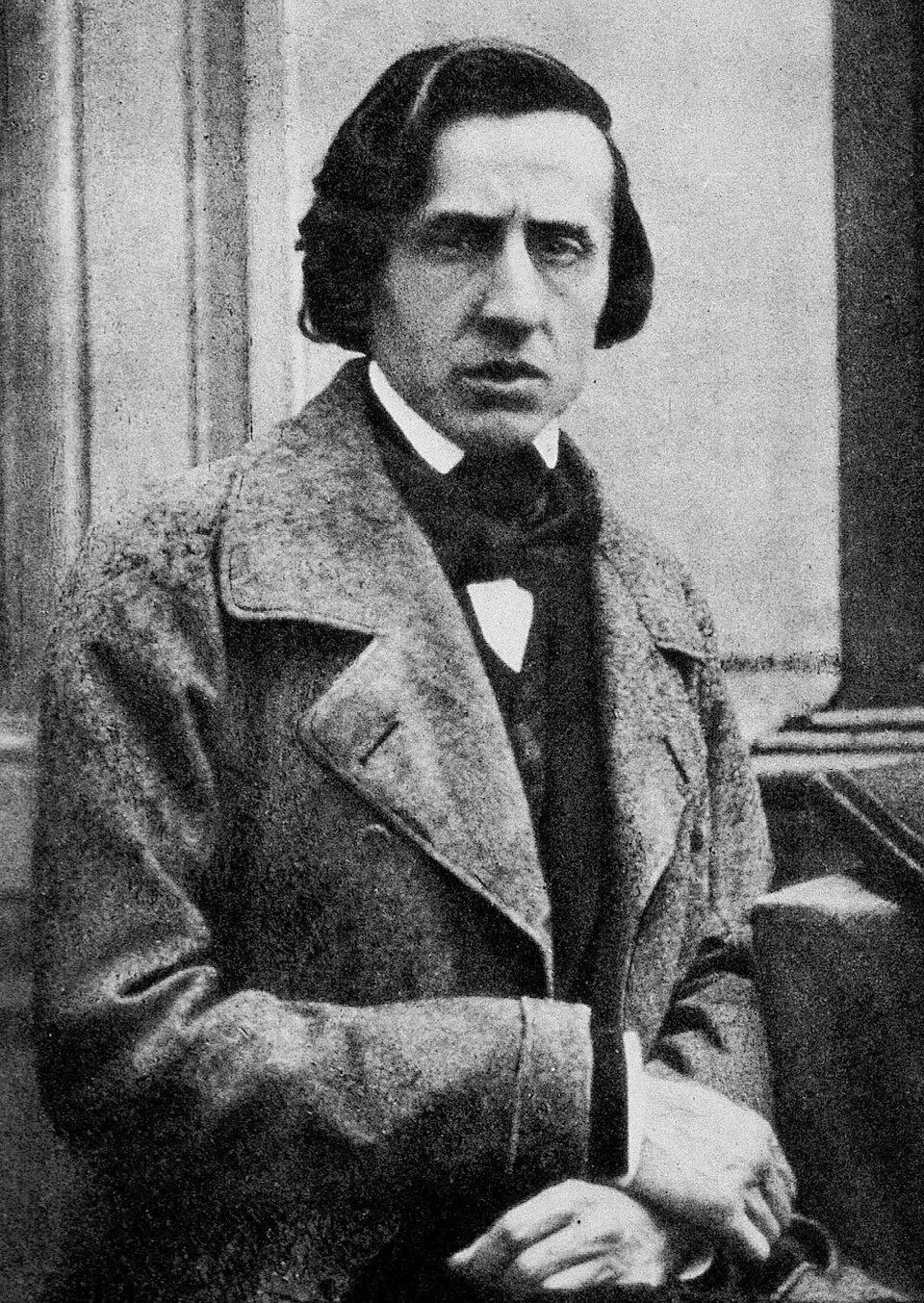
The Polish-born composer Frédéric Chopin died in Paris on October 17, 1849, at the age of 39. His remains still lie in the city’s Père Lachaise Cemetery, where his grave is never without flowers.
But not all of Chopin is buried there. His heart is in Warsaw, the capital of Poland, some 1,400 kilometers (870 miles) away as the crow flies. Why?
A homeland he never saw again
Chopin was born near Warsaw in 1810 and studied music in the city. In 1830, at 20, he left home to make his name as a performer. Soon afterward, an uprising broke out in Poland against Russian rule and was eventually crushed. Chopin moved on via Vienna to Paris and never set foot in Poland again.
In Paris he became famous as a composer, pianist and piano teacher, yet throughout his life he kept writing mazurkas and polonaises based on Polish folk dances. His longing for home poured into his music.

“So that I will not be buried alive”
Chopin had been ill for a long time. Shortly before his death he scribbled a note on a scrap of paper: “As this earth will suffocate me, I implore you to have my body opened, so that I will not be buried alive.” In nineteenth-century Europe, many people feared being mistakenly declared dead and buried alive.
As he asked, the physician Jean Cruveilhier performed an autopsy after his death and removed the heart. It was preserved in alcohol, probably cognac. Then, to fulfill Chopin’s wish to be laid to rest in a church in his homeland, his older sister Ludwika carried the heart back to Warsaw in early 1850. She is said to have hidden the jar under her cloak or skirt as she crossed the borders.
Inside a church pillar
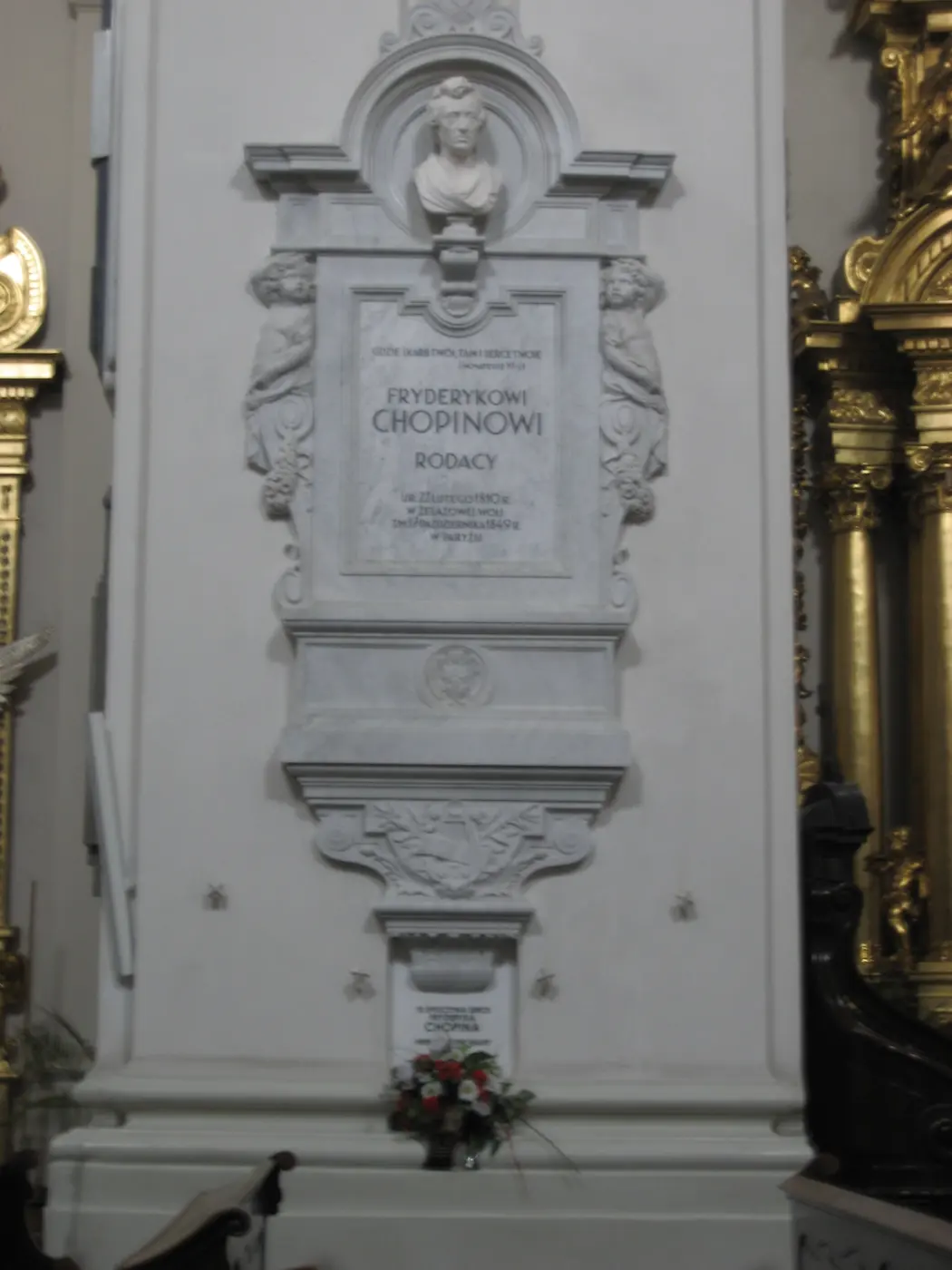
Back in Warsaw, the heart stayed with the family for a time. In 1879 it was sealed inside a pillar of the city’s Holy Cross Church. Poland was then under Russian rule, and the transfer was reportedly carried out in secret. The following year a memorial tablet was mounted on the pillar.
The tablet is inscribed with a line from the New Testament: “For where your treasure is, there will your heart be also.” For a man who treasured his homeland all his life, it is hard to imagine a more fitting verse.

Through war, and back into the light in 2014
The heart’s story did not end there. In 1944, during the Warsaw Uprising of the Second World War, a German officer took it out of the church. Before the war ended it was handed back to the Archbishop of Warsaw, and on October 17, 1945, the anniversary of Chopin’s death, it was returned to its pillar in a ceremony.
On April 14, 2014, church officials and scientists quietly removed the jar and examined the heart from the outside, without opening it. They took photographs, resealed the jar with wax, and announced the inspection only five months later. According to findings published in 2017 in a US medical journal, the heart showed signs of pericarditis caused by tuberculosis, which was most likely what killed him. The next examination is not expected until 2064, fifty years on.