How did Beethoven compose when he couldn’t hear?
Through his ability to hear music accurately in his head, and sketches he worked out on paper.
1802
It is well known that Beethoven suffered from a disease of the ears. Even so, as his hearing failed, he went on writing one masterpiece after another, among them the Ninth Symphony and the late string quartets.
How does a composer who is losing his hearing make music? Looking for the answer, you also discover that Beethoven’s deafness did not rob him of every sound overnight.
Trouble that began in his late twenties
Beethoven is thought to have first noticed something wrong with his hearing in his late twenties. As he later told an acquaintance, it began around 1798. In 1801, in letters to friends including Franz Wegeler, back in his hometown of Bonn, he confided the trouble with his ears and the suffering it caused him in his work and his social life.
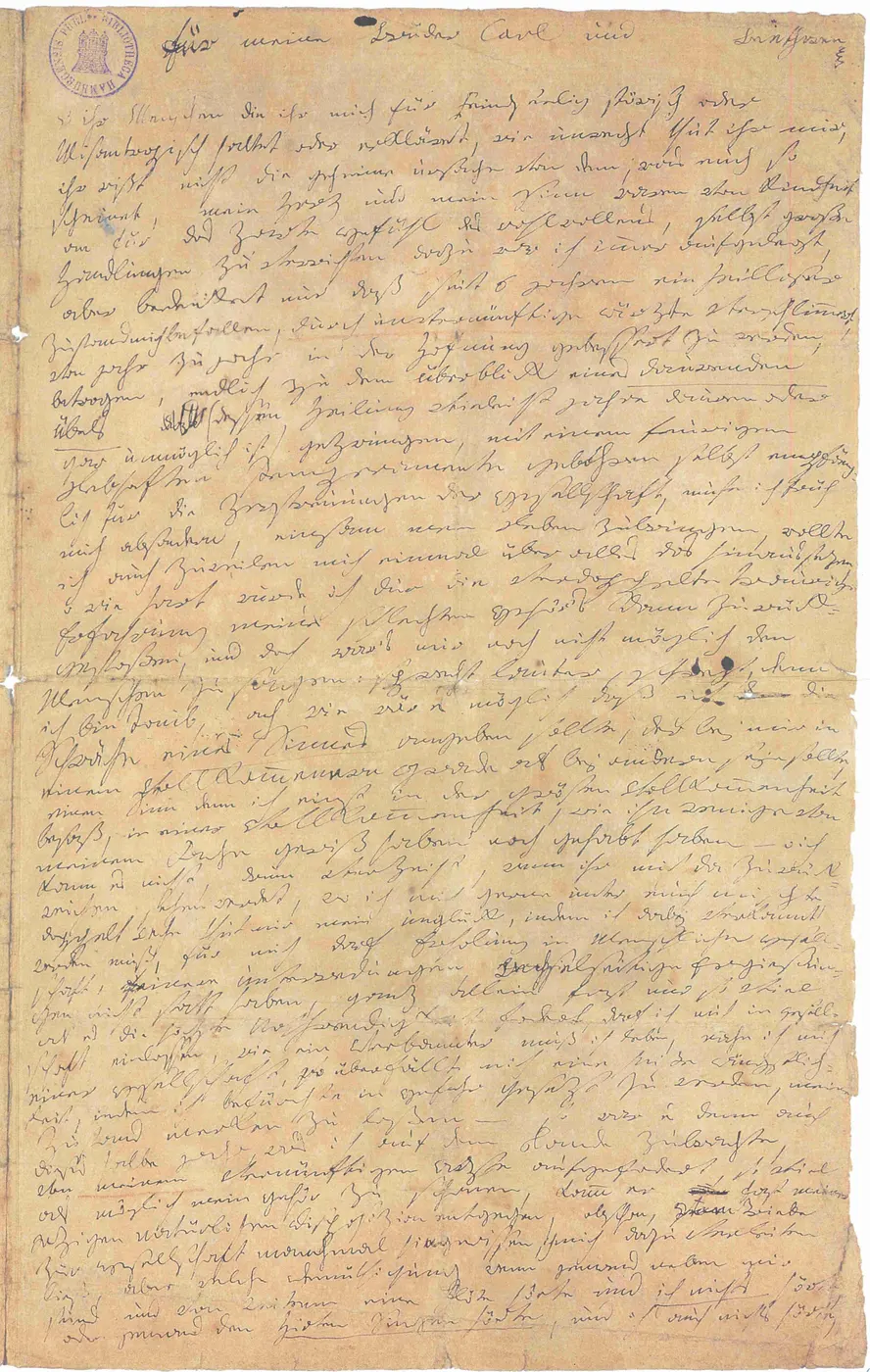
In the spring of 1802, on his doctor’s advice, Beethoven moved to Heiligenstadt, a village outside Vienna. That autumn he wrote a long letter to his two brothers. It spoke of the agony of having people discover he could not hear, of having thought of death, and of his decision to go on living for the sake of his art. The letter, later called the Heiligenstadt Testament, was never sent; it was found only after his death. In it, he also asked that after he died, his illness be described and made public.

The music played in his head
So how did he keep composing? The key is a skill that well-trained musicians have: the ability to hear the sound in their heads just by looking at a score. Beethoven had studied keyboard and string instruments since childhood and first made his name as a pianist. He is thought to have been able to imagine exactly how a combination of notes would sound, or what color a given instrument would bring, without checking by ear.
He was also a composer who constantly jotted down melodies and ideas in sketchbooks. Writing and rewriting, shaping a piece little by little: it was less a matter of composing at the piano, trying out sounds, than of building music on paper.
What’s more, his deafness did not come on all at once. His pupil Carl Czerny said that until around 1812, Beethoven could still hear speech and music normally. Even in his last years, he is said to have been able to make out low tones and sudden loud noises. Whether he ever became completely deaf, and how much sound still reached him, are questions on which researchers disagree.
Conversation books and hearing aids
As his hearing declined, conversation became steadily harder. From around 1818, Beethoven used notebooks known as “conversation books,” in which people wrote down what they wanted to say to him. Because Beethoven usually answered out loud, what survives in the books is mostly the other side of the conversation. About 140 of these books still exist, most of them in the Berlin State Library.
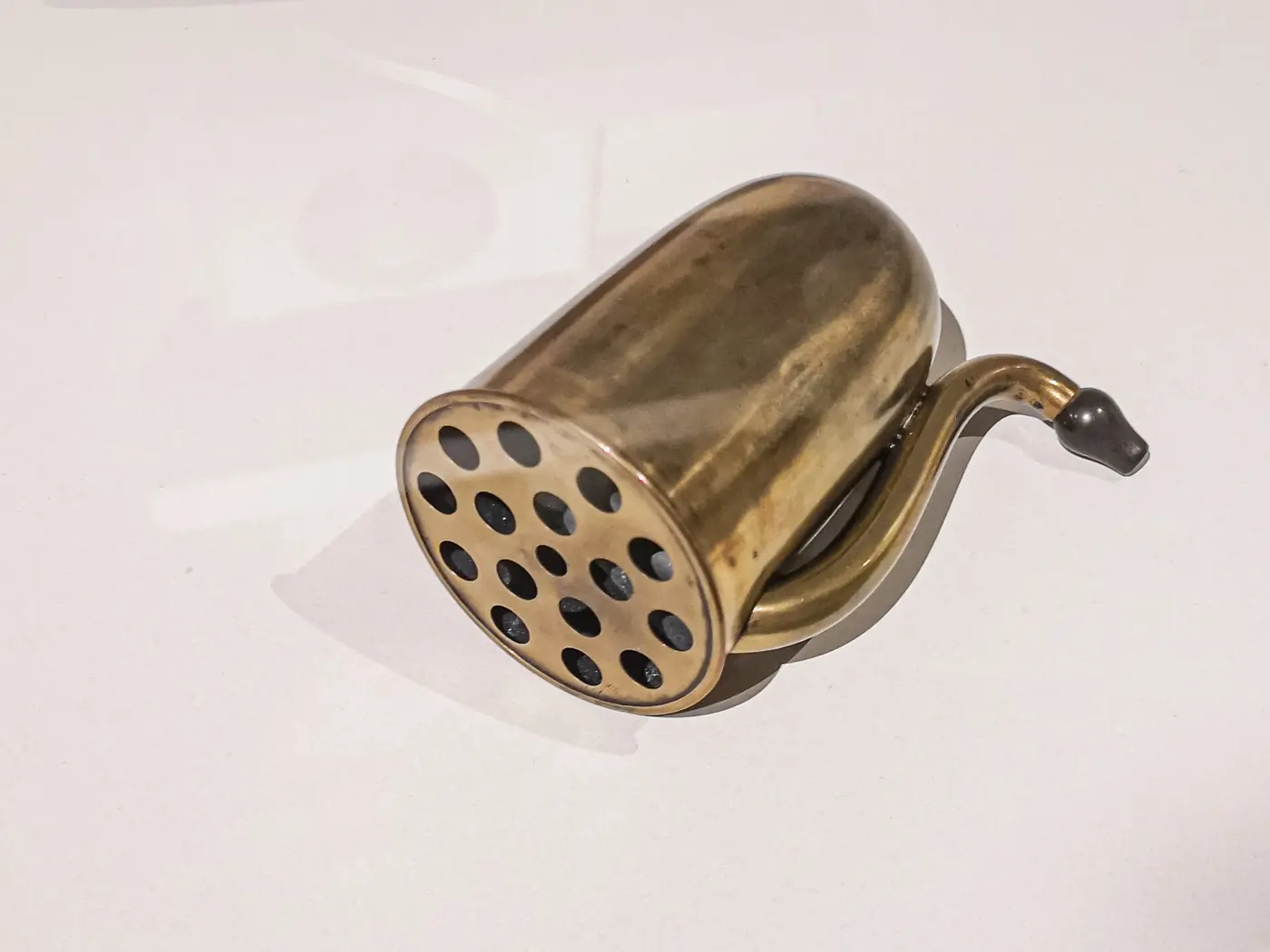
He also used metal hearing aids to funnel sound into his ears. Even so, his failing hearing made performing as a pianist difficult, and he gradually stopped playing in public.

When the Ninth Symphony premiered in Vienna in May 1824, Beethoven stood on stage indicating the tempos. According to a famous anecdote, when the performance ended he did not notice the audience’s ecstatic response until one of the singers prompted him to turn toward the hall, and only then did he see the thunderous applause.
What his hair has begun to tell us
The cause of his deafness is still uncertain. Many theories have been proposed, including otosclerosis, a hardening of the small bones of the middle ear, as well as infections and lead poisoning.
In recent years, researchers have been examining locks of Beethoven’s hair with the latest techniques. A study published in 2023 tested eight locks attributed to Beethoven. Five of them came from one and the same man and were judged almost certainly authentic, and from these the team decoded his genome. They found that he had a genetic predisposition to liver disease and that he had been infected with hepatitis B for at least the last few months of his life. But they found no genetic cause for his hearing loss. The study also revealed that one of the locks long cited as evidence for the lead-poisoning theory had not come from Beethoven at all.
The following year, in 2024, researchers reported that two locks confirmed as Beethoven’s contained lead at roughly 64 and 95 times normal levels. They concluded that, while this amount was not enough to be the sole cause of his death, it may have contributed to his hearing loss and digestive problems. Two centuries on, the “record of his illness” that the composer himself asked for is still being added to.