What makes the fizz in a carbonated drink?
Carbon dioxide that was forced into the liquid under pressure, escaping as bubbles once the pressure is released.
Twist the cap on a bottle of soda and you hear a sharp “pssht.” Pour it into a glass, and fine bubbles stream up from the bottom and sides, one after another; take a sip, and they prickle and tingle on your tongue.
The gas inside those bubbles is carbon dioxide. Yet until you opened the bottle, there were almost no bubbles to be seen. Where was the carbon dioxide hiding, and where do the bubbles actually form? And what is that sharp, tingling bite?
A gas squeezed in by pressure
Gases can dissolve in liquids such as water. The higher the pressure of the gas in contact with the liquid, the more of it dissolves. This relationship is known as Henry’s law.
Carbonated drinks are made by dissolving carbon dioxide in water under high pressure. As long as the container stays sealed, that pressure is maintained and the carbon dioxide stays dissolved. Open it, though, and the pressure drops all at once; the water can no longer hold all the carbon dioxide it had taken in. With nowhere else to go, the gas tries to escape as bubbles. The hiss you hear is the gas that had collected in the space at the top of the container rushing out.
Temperature matters too. Gases dissolve better in cold water, so a soda that has gone lukewarm is more likely to foam over the moment you open it, and to go flat sooner.
Bubbles need a “seed”
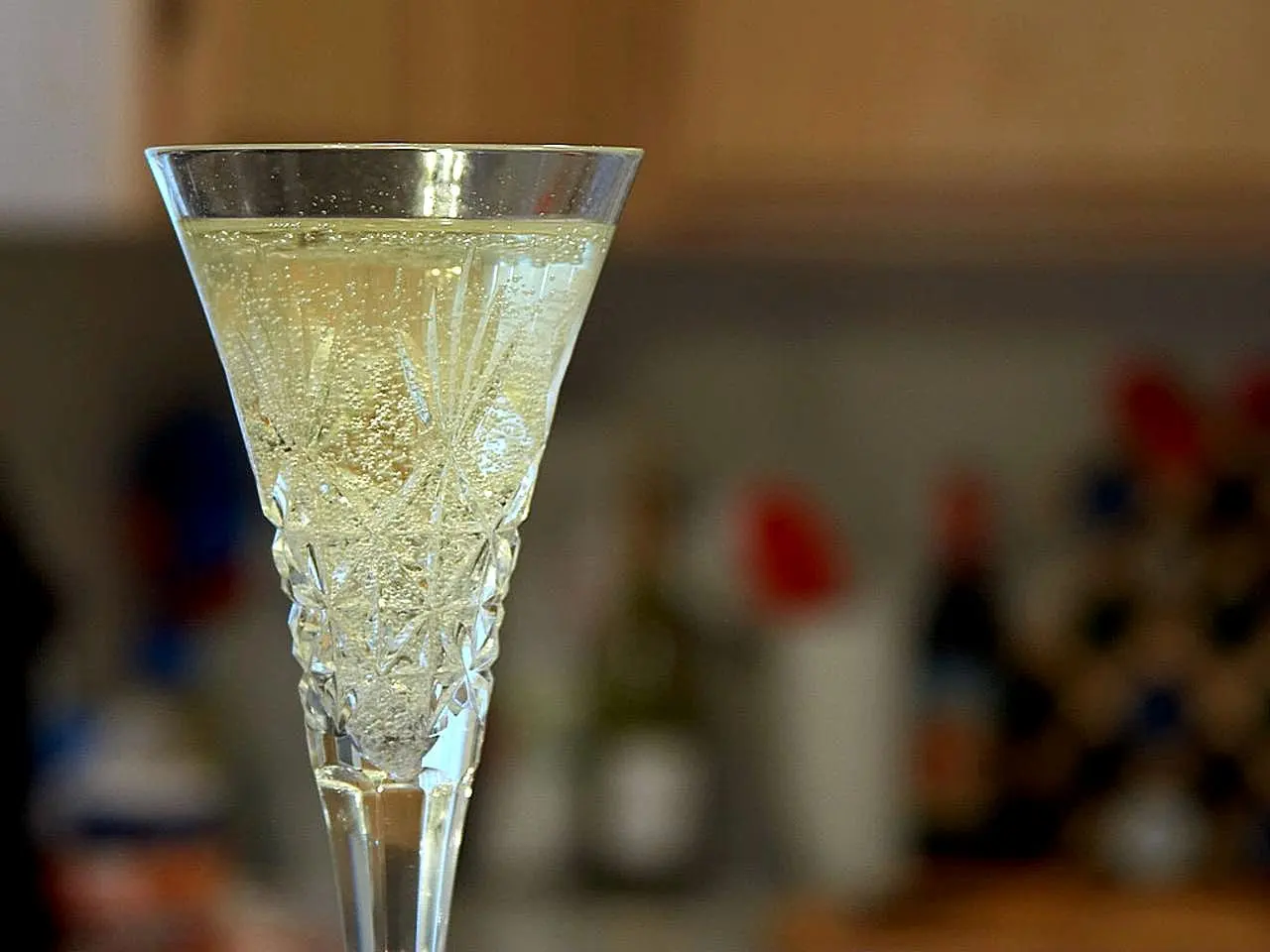
The curious thing is that opening the bottle doesn’t make bubbles well up from every part of the drink. Look closely and you’ll see them forming in strings, like beads, from particular spots on the walls and bottom of the glass.
It turns out to be very hard to create a brand-new bubble in the middle of a liquid, where there is nothing to start from. To grow, a bubble needs a tiny pocket of gas to get it going. Gérard Liger-Belair and his colleagues at the University of Reims in France, who have spent years studying the bubbles in Champagne, used high-speed cameras to show that most bubbles are born from air trapped inside minuscule fibers stuck to the wall of the glass. These are cellulose fibers, left behind by the cloth used to wipe the glass or drifting in from dust in the air.

The famous fountain you get from dropping mint candies into cola is thought to work the same way: the candies’ finely pitted surfaces supply a huge number of seeds for bubbles.
The bite is actually sourness
People tend to assume that the tingle of a fizzy drink is simply the feeling of bubbles bursting. But that, it seems, is not the whole story.
When carbon dioxide dissolves in water, a small fraction of it becomes carbonic acid, a weak acid. In 2009, a team of American researchers reported experiments in mice showing that an enzyme on the surface of the tongue’s sour-sensing cells rapidly converts carbon dioxide into acid, and that this is perceived as the “taste” of carbonation. Then in 2013, an experiment with people was reported in which volunteers tasted carbonated water in a chamber pressurized so that no bubbles could form—and the intensity of the tingle barely changed. Nerves that sense pain and irritation in the mouth are also thought to be involved. The bubbles, it seems, play more of a supporting role, adding texture that heightens the overall sensation.
Soda water, born next door to a brewery
The person who popularized a way of making carbonated water artificially was the English chemist Joseph Priestley. In 1767, while living next to a brewery in Leeds, England, he grew curious about the gas that collected above fermenting beer. By holding a vessel of water over it, he succeeded in dissolving the gas into the water.
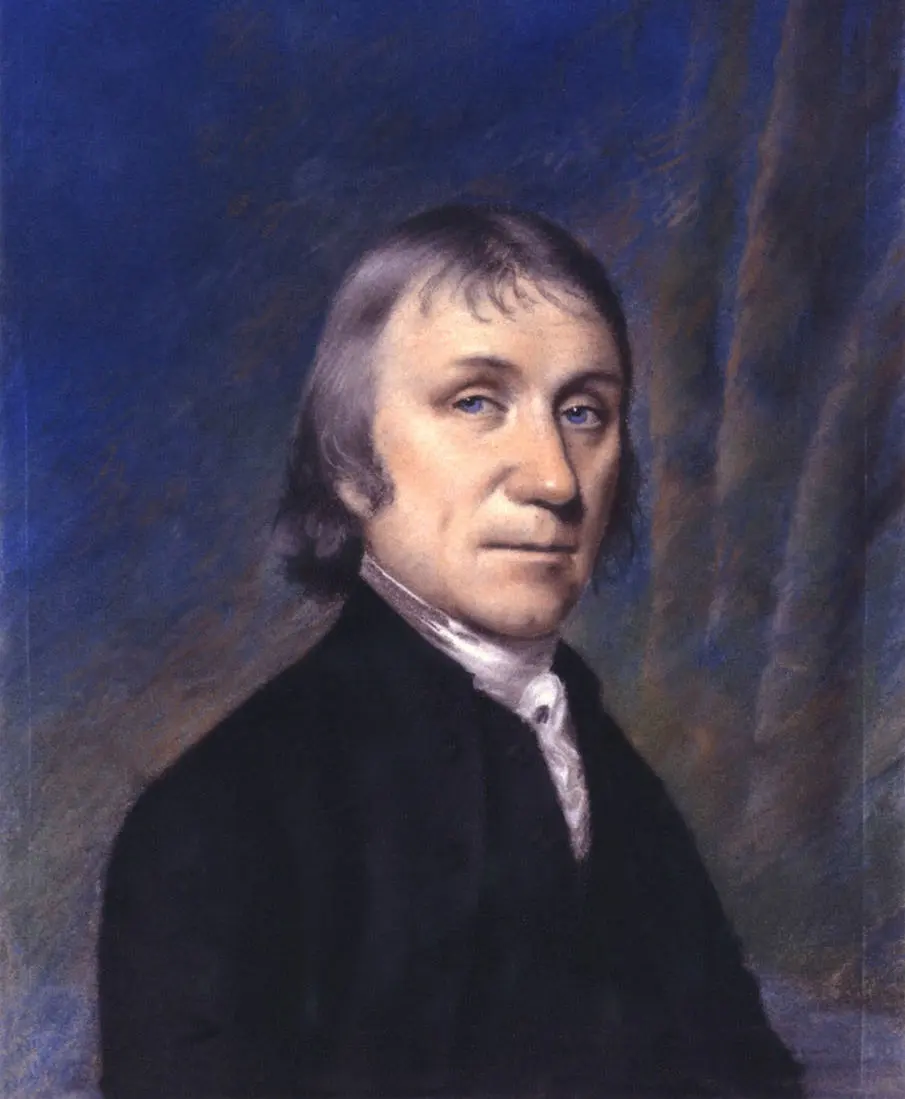

In 1772, Priestley published his method in a paper. He would later become known as one of the discoverers of oxygen, but he also earned a firm place in the history of the fizzy drinks we reach for every day.