Which is colder, the Arctic or the Antarctic?
The Antarctic. Winter averages about −40°C at the North Pole but about −60°C at the South Pole.
−89.2°C
The Arctic and the Antarctic. In both places sunlight arrives only at a slant, and in winter the Sun doesn’t rise for days on end. They are the coldest places on Earth, facing each other from the top and bottom of the globe.
With conditions that seem so similar, you might expect them to be about equally cold. In reality, there is a clear difference between the two.
A 20-degree gap in winter
According to the US National Oceanic and Atmospheric Administration (NOAA), the average winter temperature at the North Pole is about −40°C (−40°F). At the South Pole, it is about −60°C (−76°F). In summer the gap is even more striking. The North Pole warms to around 0°C (32°F), right on the edge of melting, while the South Pole averages about −28°C (−18°F). Even at the height of summer, it is far colder than a Japanese winter.
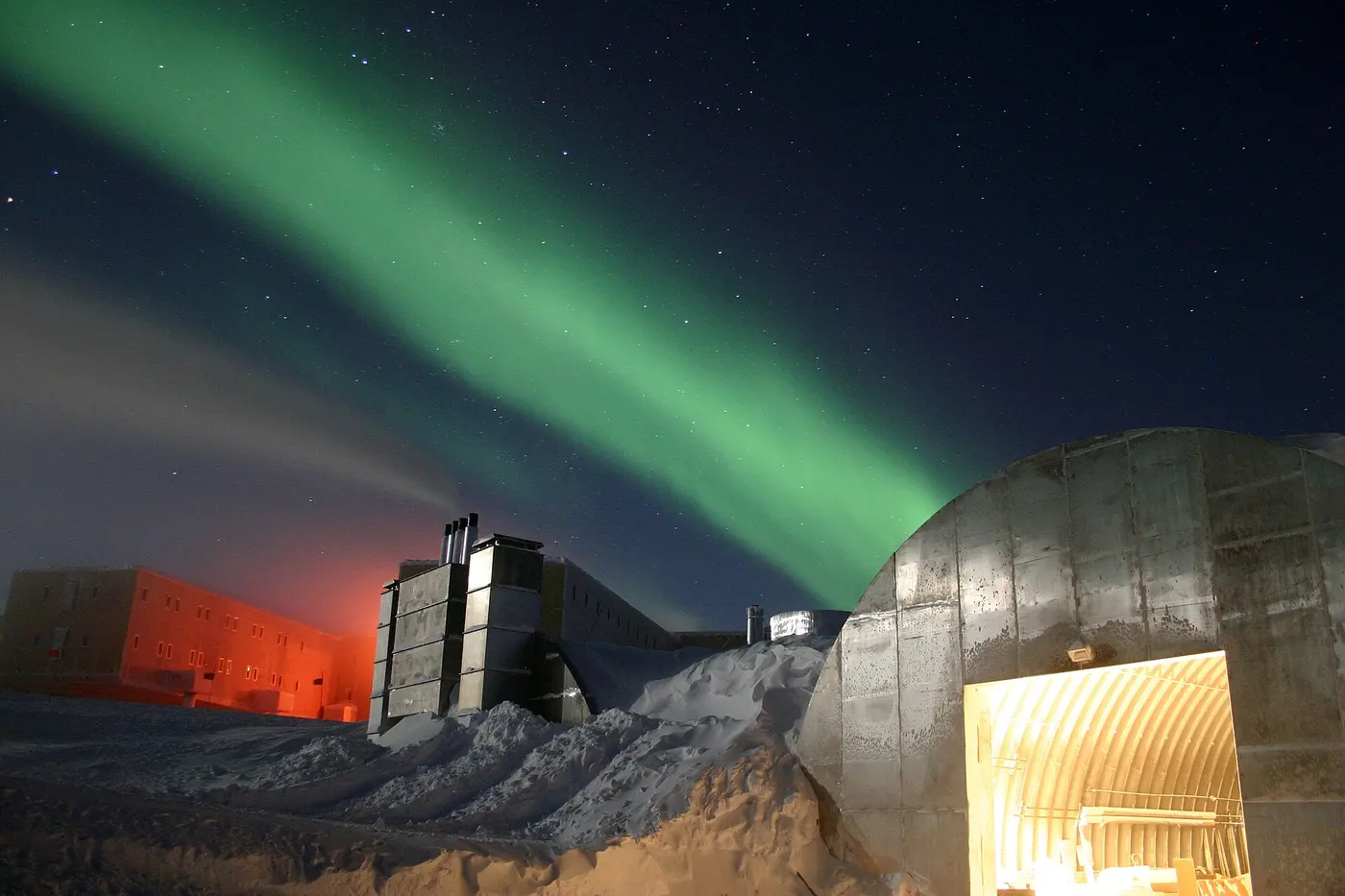

Why is there such a difference between two polar regions? The answer lies in what is underfoot.
The Arctic is an ocean; the Antarctic is a high plateau
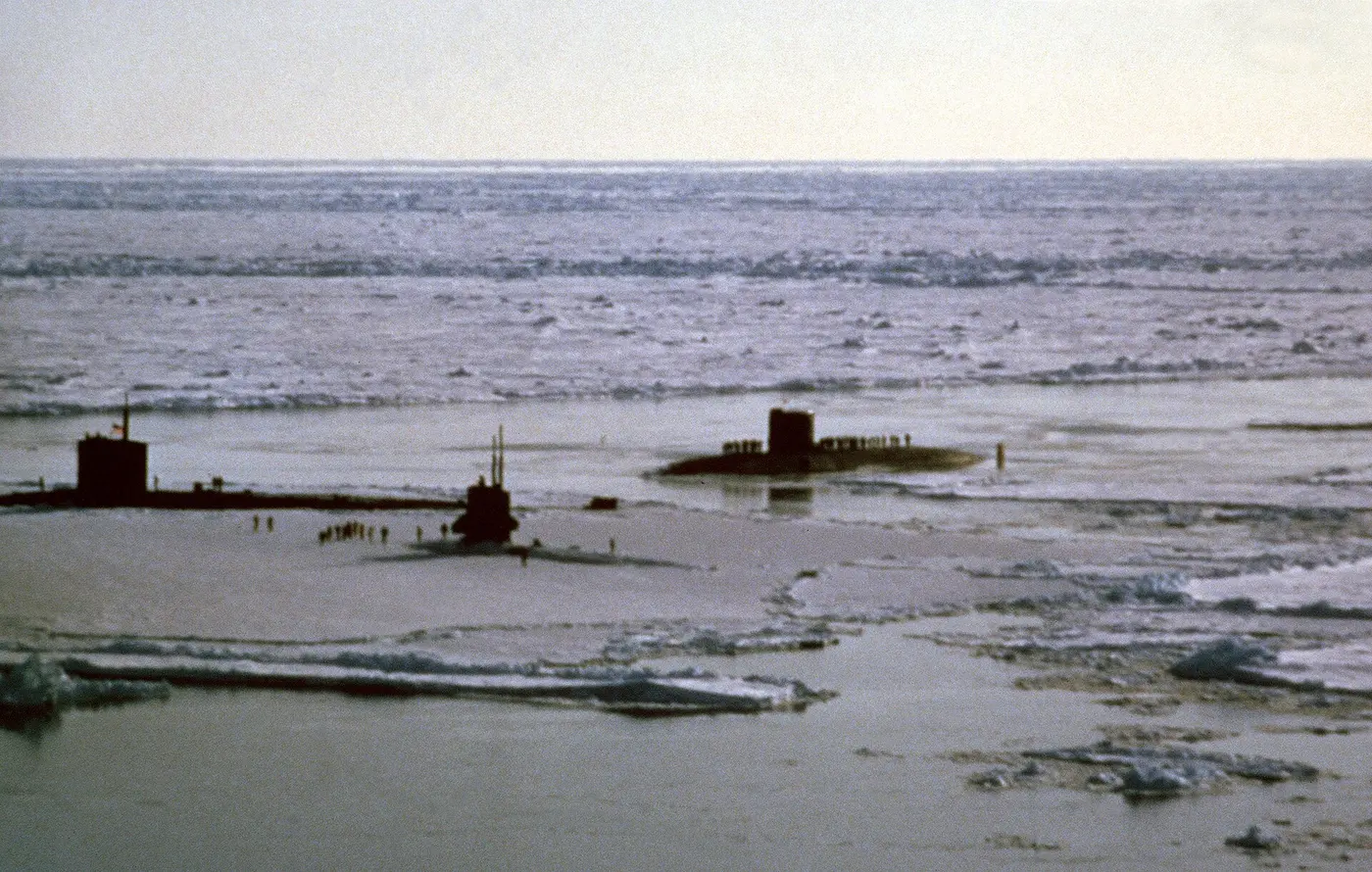
Around the North Pole, there is actually no land at all. What lies there is the Arctic Ocean, its surface covered by sea ice just a few meters thick. Anyone standing at the North Pole is standing on the ocean, separated from it by a single sheet of ice.
That ocean takes the edge off the Arctic cold. Even on the verge of freezing, seawater stays at around −2°C. Heat from the ocean—far warmer than the winter air—passes through the ice and escapes through cracks in it, keeping the Arctic from getting too cold.

Antarctica, on the other hand, is a true continent. And on top of it sits an enormous ice sheet, more than 1.5 kilometers thick on average and close to 4 kilometers thick in places. About 90 percent of the world’s ice is said to be in Antarctica.
As a result, Antarctica has become a continent of very high elevation. The South Pole stands about 2,800 meters (9,200 feet) above sea level, and farther inland some places rise above 4,000 meters. Air gets colder with height, dropping about 6°C for every 1,000 meters you climb. That altitude is a big reason why Antarctica is so cold.
In addition, the white snow and ice reflect most of the sunlight back into space, and the winds circling the continent hold back incoming warm air. Both work to keep Antarctica cold.
The coldest place on Earth
With all these factors combined, Earth’s record low temperature was also set in Antarctica. On July 21, 1983, a temperature of −89.2°C (−128.6°F) was recorded at Vostok Station, then run by the Soviet Union (now Russia), which sits about 3,500 meters up in the continent’s interior. It remains the lowest temperature ever measured at a ground station.
Satellites have found even lower values. According to a study published in 2018, in small hollows in the snow along the ridge between Dome A and Dome F—site of Japan’s Dome Fuji Station—on Antarctica’s interior plateau, the surface temperature can drop to around −98°C. This, however, is the temperature of the snow surface, measured differently from ordinary air temperature.
The Northern Hemisphere’s record low, too, was measured on land rather than at the North Pole out on the ocean. In 2020, the World Meteorological Organization (WMO) certified a reading of −69.6°C, recorded in December 1991 at an automatic weather station about 3,100 meters up on the Greenland ice sheet, as the lowest temperature ever recorded in the Northern Hemisphere. How cold a place gets depends not only on latitude but on whether it is ocean or land, and how high it is.