When did the Winter Olympics begin?
In 1924, in Chamonix, France. But at the time, the event was not called the Olympics at all.
1924
Ski jumping, figure skating, curling, ice hockey: every four years, the Winter Olympics bring the sports of snow and ice together in one place. It is hard to imagine the Olympic movement without them.
Yet it took nearly 30 years after the first modern Olympics in Athens in 1896 for a winter edition to appear. And the event now counted as the first Winter Olympics was not called an Olympics when it was held.
Winter sports at the Summer Games
Winter sports first appeared at the Olympics in London in 1908, when four figure skating events were held. They took place on October 28 and 29 at a skating club in London, about six months after most of the other events. Ulrich Salchow of Sweden, whose name lives on in a figure skating jump, won the men’s singles, and Madge Syers of Great Britain won the ladies’ event.
At the 1920 Games in Antwerp, Belgium, ice hockey joined figure skating. The hockey tournament was held in April and won by Canada. For years, winter sports were simply part of the Summer Olympics, held in a different season.
The Nordic countries said no
The idea of a separate winter event did not catch on right away. The strongest opposition came from the Nordic countries such as Sweden and Norway, where skiing and skating were hugely popular. They had held their own winter multi-sport event, the Nordic Games, since 1901, and did not want it overshadowed by the Olympics.
In 1921, the International Olympic Committee (IOC) seemed ready to approve winter games, but Pierre de Coubertin, the founder of the modern Olympics, cut the discussion short. In the end, the French Olympic Committee pressed ahead on its own in 1922, planning an “International Winter Sports Week” for early 1924 in Chamonix, a mountain resort in the French Alps at the foot of Mont Blanc, western Europe’s highest peak.
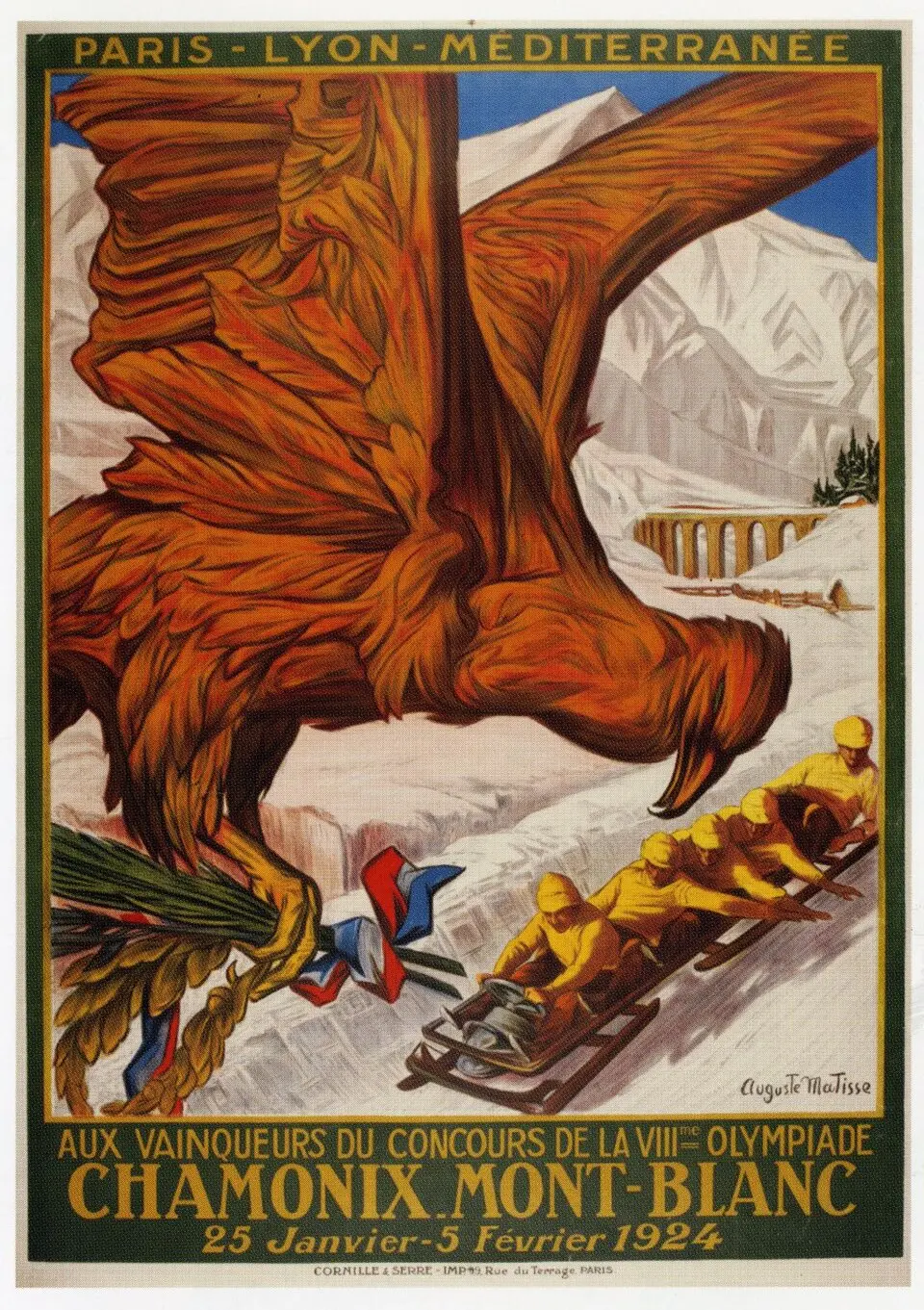

A sports week becomes Games No. 1
The event ran from January 25 to February 5, 1924. About 300 athletes competed in 16 events, from bobsleigh, curling and ice hockey to figure skating, speed skating and skiing. The first champion was American Charles Jewtraw, who won the 500-meter speed skating race. Norway won the most medals.
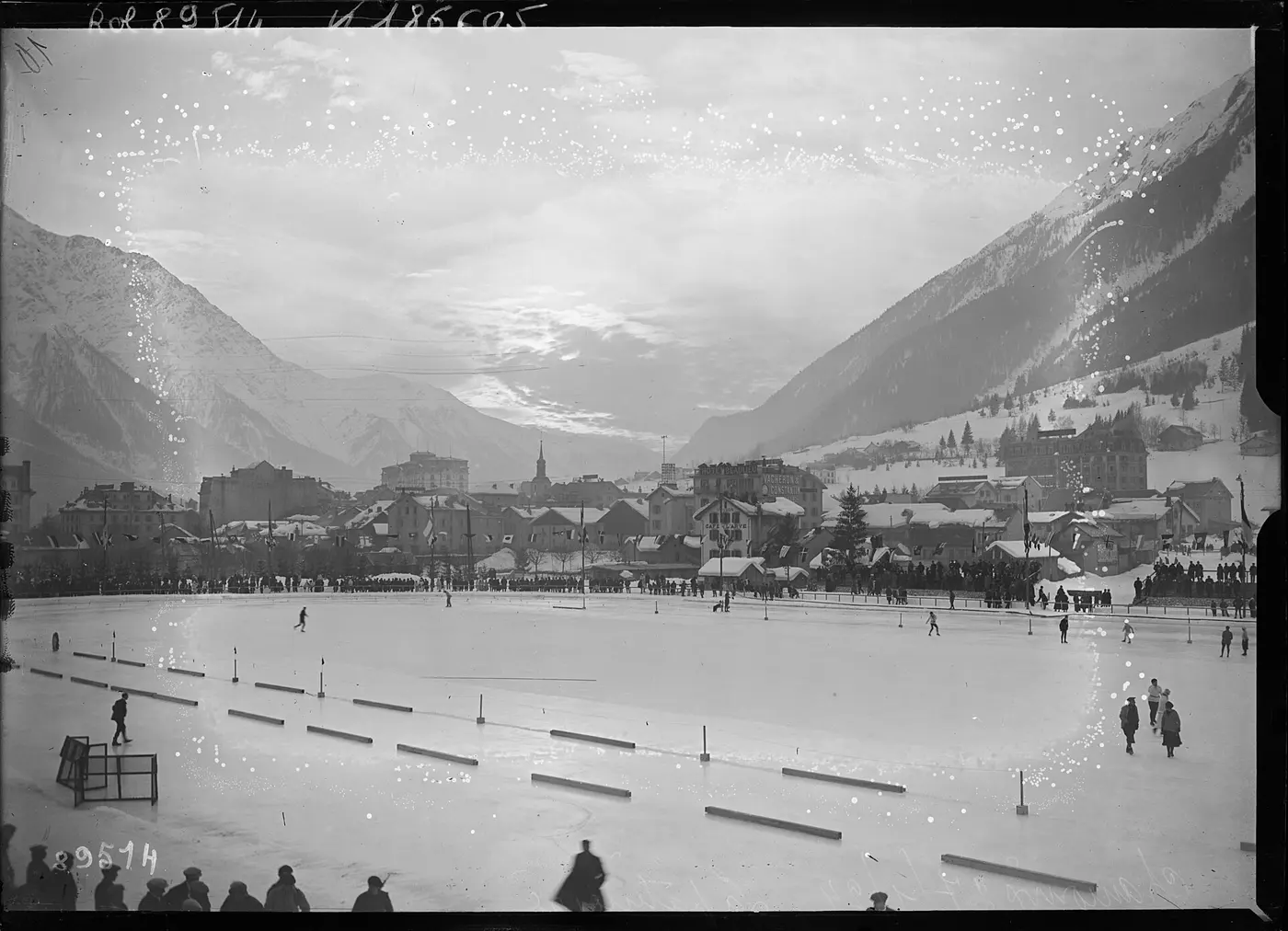

The event’s success changed minds. In 1925, the IOC decided to hold Winter Games every four years, separate from the Summer Games, and in 1926 it retroactively recognized Chamonix as the first Olympic Winter Games. The 1928 event in St. Moritz, Switzerland, thus became the second.
Japan’s debut and a phantom Games
Japan sent athletes to the Winter Olympics for the first time in St. Moritz in 1928: six skiers, making Japan the first Asian country to take part. Its best result was 24th place in the 50-kilometer cross-country race.
In 1937, Sapporo, on the northern island of Hokkaido, was chosen to host the 1940 Winter Olympics; Tokyo had already been awarded the Summer Games of the same year. But war with China broke out soon afterward, and in July 1938 Japan handed the Winter Games back to the IOC. They were moved to St. Moritz and then to Garmisch-Partenkirchen in Germany, before being canceled when the Second World War began.
Sapporo finally got its Games in 1972, the first Winter Olympics held in Asia, where Japanese jumpers swept gold, silver and bronze on the 70-meter hill. The Summer and Winter Games long shared the same year, but after 1992 they were split onto alternating even years. That is why the 1994 Winter Games in Lillehammer, Norway, came just two years after the previous ones.