Where do curling stones come from?
Olympic curling stones are made from granite quarried on Ailsa Craig, an uninhabited island off the coast of Scotland.
19.96kg
A round stone sliding silently down the ice, with players sweeping furiously in front of it. Curling draws a big audience at every Winter Olympics, and Japan is no exception.
Those stones are not plastic or metal. They are real rock. And the rock in the stones used at the Olympics comes from just one place on Earth: a small, uninhabited island off the coast of Scotland.
Twenty kilograms of granite
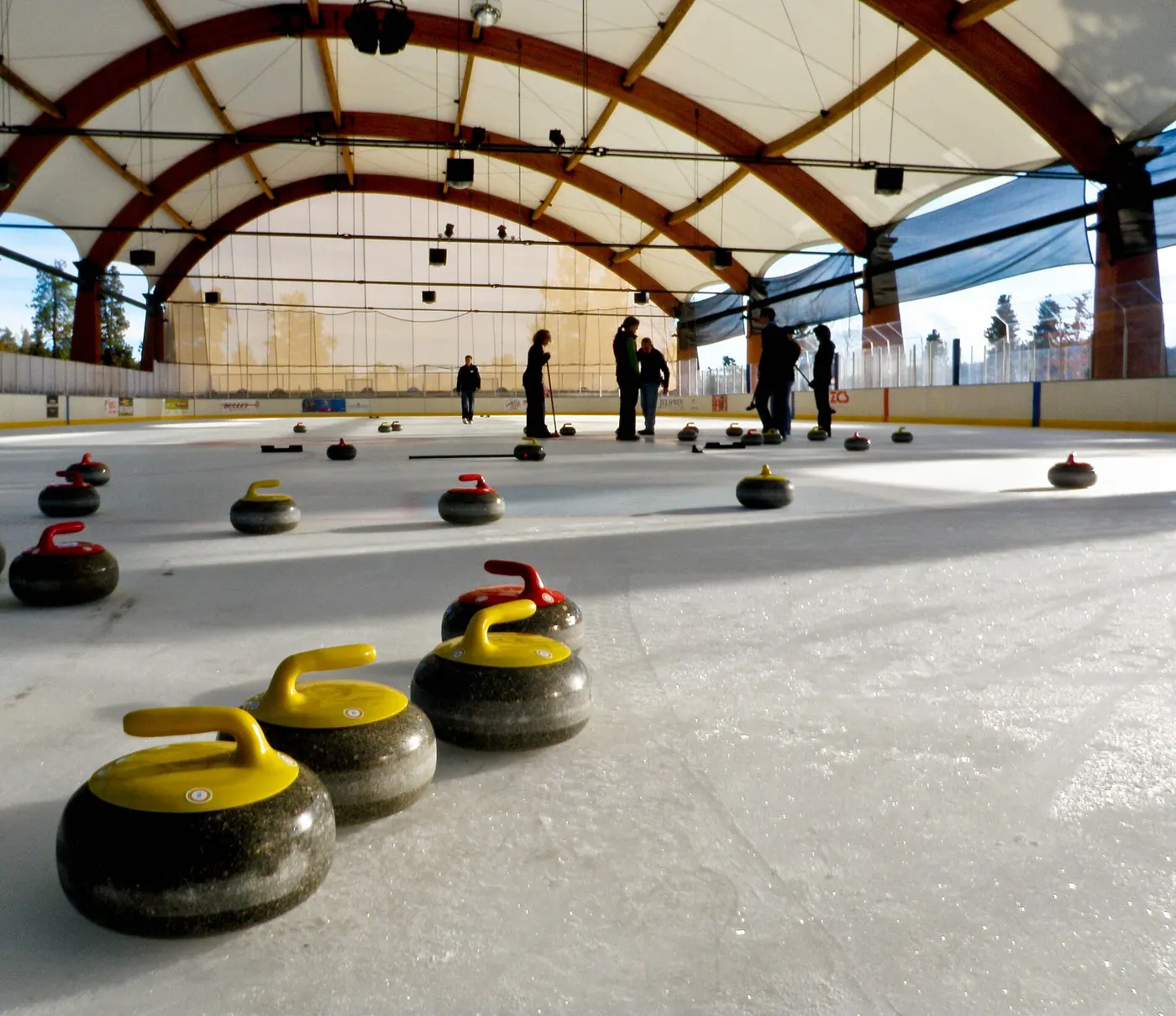
Under World Curling rules, a stone must weigh between 17.24 and 19.96 kilograms (38 and 44 pounds), measure no more than 91.4 centimeters (36 inches) around and stand at least 11.4 centimeters (4.5 inches) tall. It is made of granite, hard and dense.
The bottom looks flat, but it is actually hollowed out. Only a ring about 13 centimeters (5 inches) across touches the ice, and that running surface is just 6 to 13 millimeters wide.
The island of stone
The granite comes from Ailsa Craig, an island at the mouth of the Firth of Clyde off southwest Scotland. It lies about 16 kilometers (10 miles) west of the mainland, covers about 99 hectares and rises some 338 meters (1,100 feet) out of the sea, shaped like an upturned bowl. It is the remains of an ancient volcano.
Nobody lives there now. The island is a bird sanctuary, home to a large colony of northern gannets. Because it sits roughly halfway between Belfast in Northern Ireland and Glasgow in Scotland, it has the nickname “Paddy’s Milestone.”
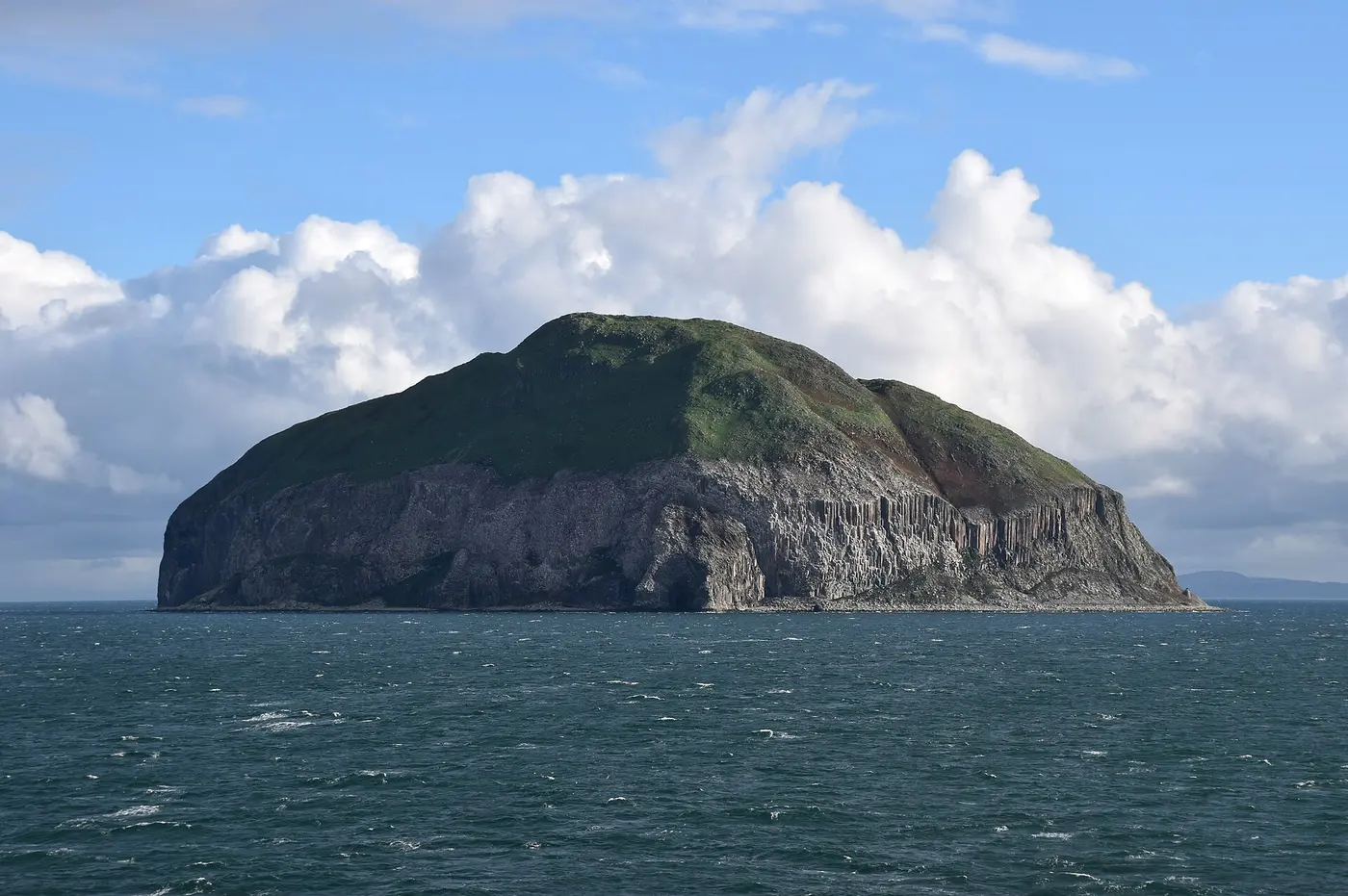

As of 2004, 60 to 70 percent of all the curling stones in use around the world were said to be made from the island’s granite.
Two kinds of stone in one
Ailsa Craig granite comes in several types, and a curling stone uses two of them. The body is made of Ailsa Craig Common Green, which resists chipping when stones collide. The base that touches the ice is an insert of Blue Hone, which absorbs almost no water. That means it does not break down as ice melts and refreezes on it over and over again.
The exclusive right to harvest granite on the island belongs to Kays of Scotland, a company founded in 1851. Kays has supplied stones to every Winter Olympics since the first, in 1924, with the single exception of 2002, and since 2006 it has been the sole supplier. Curling became a permanent fixture of the Winter Games as an official medal sport in 1998, at the Nagano Olympics in Japan.
The granite is not quarried every year. In 2013, after an 11-year gap, about 2,000 tonnes were cut, expected to make around 10,000 stones, and more was quarried in the winter of 2020. Finishing a single stone takes about six hours. Kays makes some 1,800 to 2,000 stones a year, and its biggest market is curling-mad Canada. The island once yielded a reddish stone called Red Hone as well, but that has now been worked out.

The other source: Wales
Ailsa Craig is not the only source of curling granite. Granite from a quarry at Trefor in North Wales is also used, by the Canada Curling Stone Company, which has been making stones from it since 1992.
Still, only Ailsa Craig stone makes it to the Olympic stage. A small island in the sea quietly holds up the whole sport of curling.