Why do some people feel down in winter?
Shorter days are thought to throw off the body clock and brain chemistry. When it becomes severe, it is called seasonal affective disorder.
10,000lux
As the days get shorter, it gets harder to drag yourself out of bed. However much you sleep, you still feel drowsy, and you find yourself craving sweets and starchy food. Seeing people feels like a chore, and you would happily hibernate until spring. Plenty of people know that feeling in winter.
For most, it is a mild case of the winter blues. But some people sink so low every winter that it gets in the way of daily life. That is seasonal affective disorder, or SAD, a recognized form of depression.
Named in 1984
The condition was named by Norman Rosenthal, a psychiatrist from South Africa. After moving from mild Johannesburg to the northeastern United States, he noticed that he had more energy and got more done during the long days of summer, and less in winter.
In 1980, Rosenthal’s team at the US National Institute of Mental Health (NIMH) admitted a man with depression who had noticed that his mood changed with the seasons, and tried treating him with bright light. In 1984, in a paper describing 29 patients, the team gave the condition its name, seasonal affective disorder, and reported early signs that light could treat it.
According to the NIMH, winter-pattern SAD begins in late fall or early winter and lifts in spring and summer. Its telltale signs include oversleeping, overeating, craving carbohydrates and gaining weight. A less common summer pattern also exists, in which people tend to have the opposite symptoms, such as trouble sleeping and poor appetite. SAD is much more common in women than in men and usually begins in young adulthood.
It’s all about light
Why would winter bring on depression? The causes are not fully understood, but much of the attention has focused on sunlight.
Our bodies run on a roughly 24-hour body clock that governs sleeping and waking, and morning light resets it every day. One idea is that when the days grow short, this daily reset stops working properly.
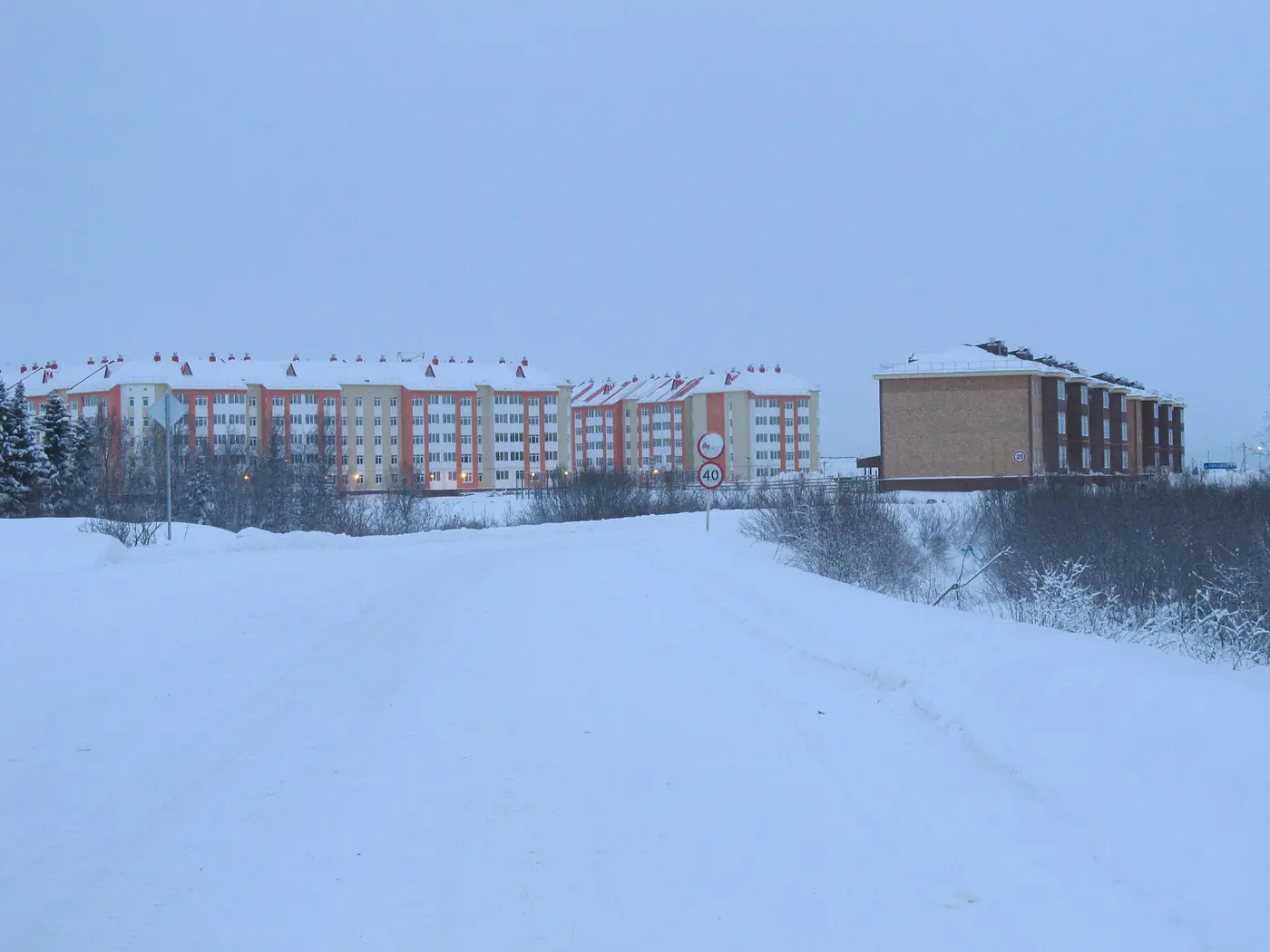

Chemicals in the brain seem to be involved too. The NIMH lists several possible culprits: weaker activity in winter of serotonin, a brain chemical that helps regulate mood; too much melatonin, a hormone released in darkness that makes us sleepy; and a shortage of vitamin D, which the skin makes when exposed to sunlight. None of these, however, is a settled answer.
More common where winter days are short?
If sunlight matters, SAD should be more common farther north, where winter days are shorter. A US survey published in 1990 compared four places at different latitudes, from Sarasota, Florida, in the south to Nashua, New Hampshire, in the north, and found winter SAD to be more common in the northern areas.
Japan carried out a nationwide survey of its own in 1990 and 1991, at psychiatric outpatient clinics in 53 university hospitals. Of 5,265 outpatients with depression, 46 were identified as having SAD. When the researchers compared regions, hours of sunshine turned out to be more closely linked to SAD than either latitude or the average temperature in December.
Treating it with bright morning light
One treatment is light therapy. According to the NIMH, patients sit in front of a special light box that gives off 10,000 lux, about 20 times brighter than ordinary indoor lighting, for about 30 to 45 minutes a day, usually in the morning. A form of talk therapy called cognitive behavioral therapy and antidepressant medication are also used.
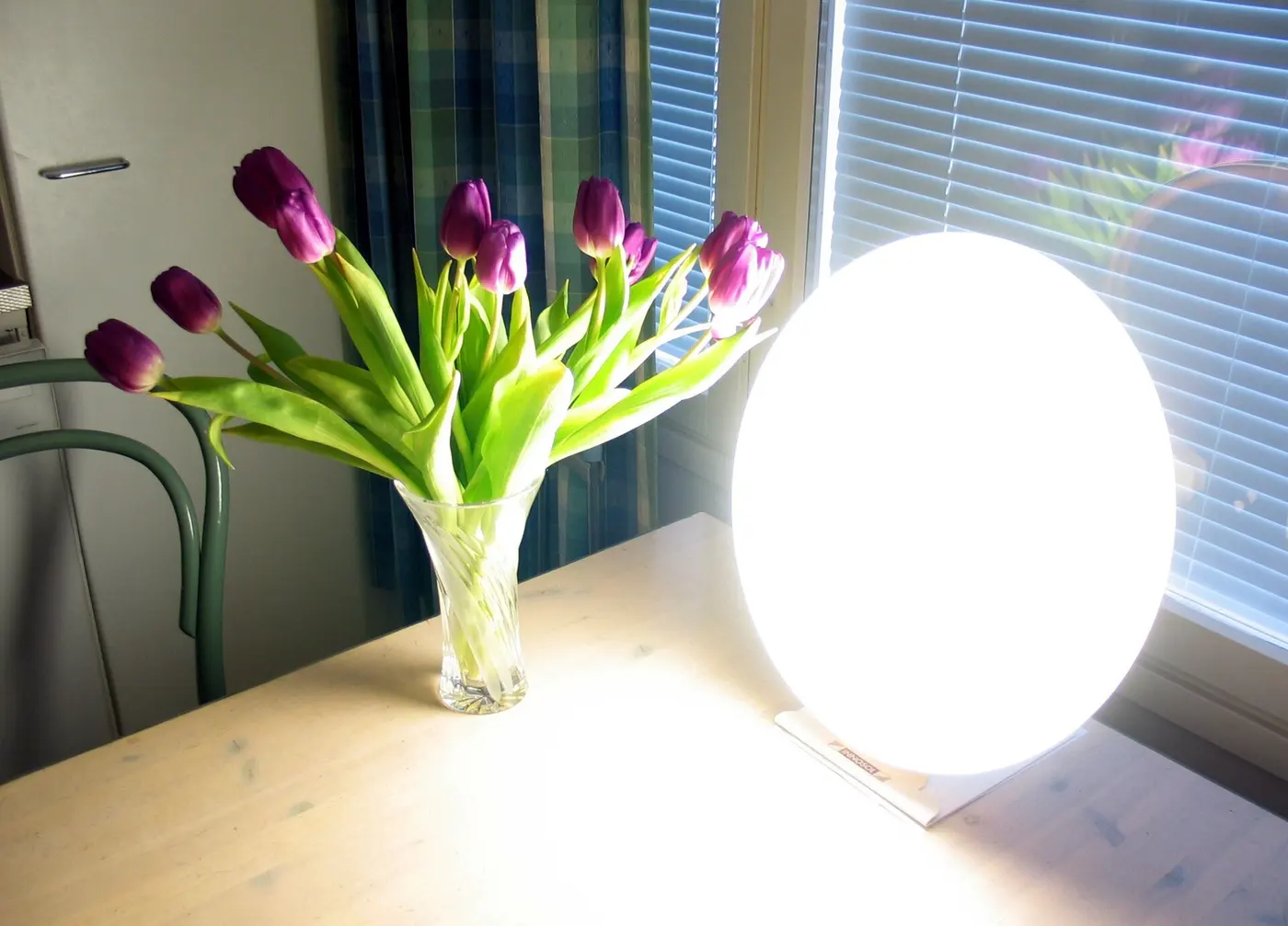

Light boxes filter out ultraviolet light and are considered safe for most people, but those with certain eye conditions or who take medicines that increase sensitivity to light are advised to talk to a doctor first.
Feeling a bit heavier in winter is nothing unusual. But if low mood drags on and gets in the way of work or home life, or if you feel so bad that you think about not wanting to be here, don’t write it off as the season. Reach out to a doctor or mental health professional soon.