Can getting chilled give you a cold?
Not on its own: colds are caused by viruses. But studies suggest a chilled nose may be worse at fighting those viruses off.
33°C
As winter closes in, the warnings start: wear a coat or you’ll catch a cold; don’t go to bed with wet hair or you’ll catch a cold. English even calls the illness a “cold,” the same word as the weather. The idea that getting chilled makes you sick is rooted in cultures all over the world.
A cold, however, is a viral infection. Low temperatures cannot pass on an illness by themselves. So is the link just an old wives’ tale? Follow the research and the story turns out to be less simple than that.
It always starts with a virus
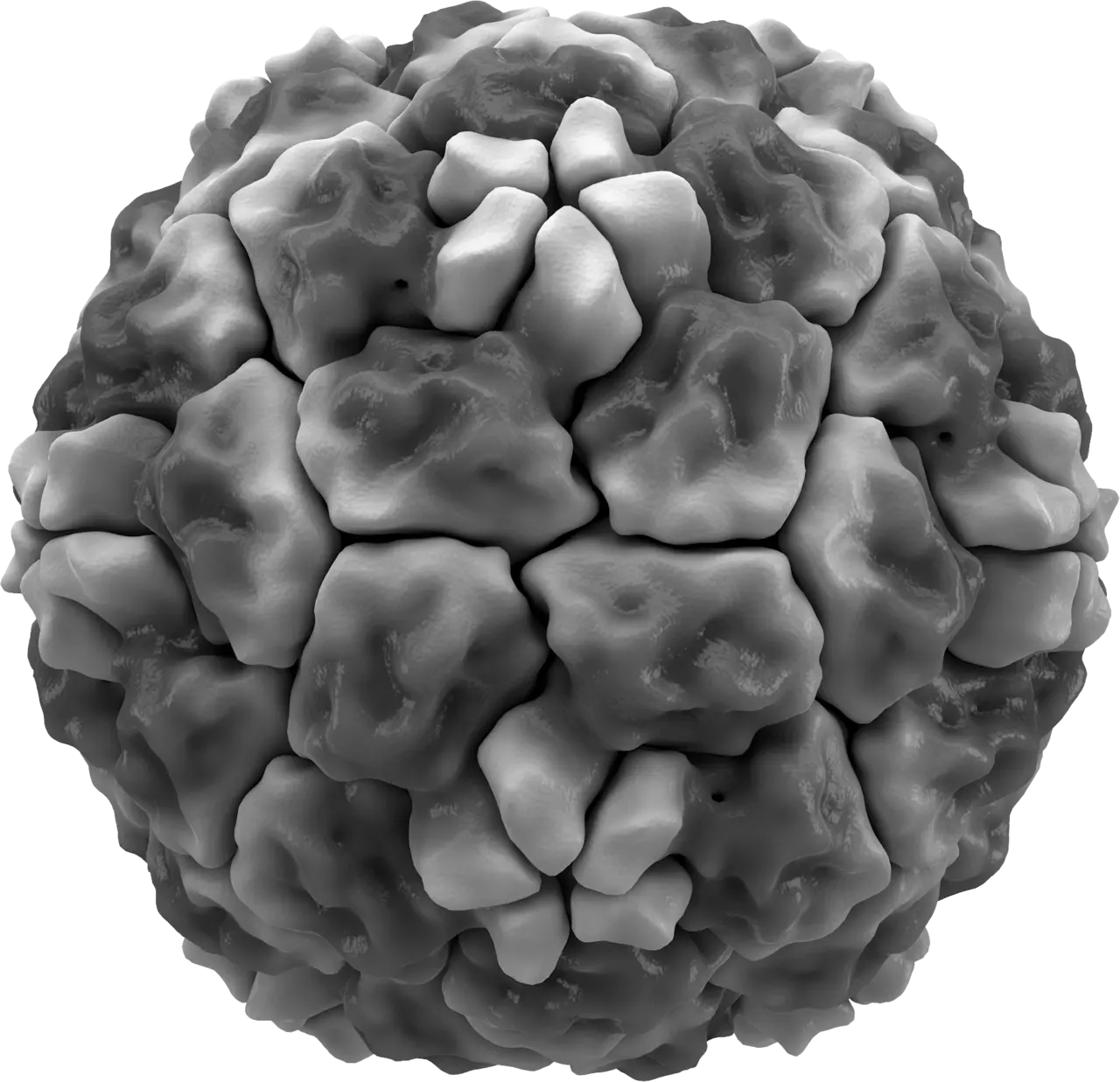
According to the US Centers for Disease Control and Prevention (CDC), more than 200 viruses can cause colds. Rhinoviruses are the most common, and others include members of the coronavirus family and adenoviruses. They spread when we breathe in droplets from coughs and sneezes, or touch our eyes, nose or mouth with hands that have picked up the virus.
Without a virus, no amount of chilling will give you a cold. From 1946, for more than 40 years, Britain ran a research center called the Common Cold Unit, where volunteers stayed in isolation and had cold viruses deliberately dripped into their noses. Chilling experiments were carried out there too. Yet this early research never clearly showed that being chilled made people more likely to be infected.

Cold feet, then cold symptoms?
Then, in 2005, a team at Cardiff University in Wales published a result that raised eyebrows.
During the cold season, from October to March, they recruited 180 volunteers. Half sat with their feet in a bowl of cold water for 20 minutes; the other half sat with their feet in an empty bowl. Over the next four to five days, 13 of the 90 chilled volunteers said they had come down with a cold, compared with 5 of the 90 who had not been chilled.
The researchers suggested that chilling the body surface makes the blood vessels in the nose clamp down, cutting the supply of infection-fighting white blood cells. A virus already lurking in the nose without causing symptoms might then gain the upper hand. But the study did not test whether anyone was actually infected. The volunteers also knew which group they were in, which may have made them more alert to symptoms. The team itself said further studies were needed.
A chilly nose lets its guard down
Other research has focused on the temperature of the nose itself. The core of the body sits at about 37°C (99°F), but the inside of the nose, where outside air flows in and out, is cooler, at about 33 to 35°C (91 to 95°F). Most rhinoviruses were already known to multiply better at that nasal temperature than at 37°C.
In 2015, a Yale University team led by immunologist Akiko Iwasaki looked for the reason using airway cells from mice. At 33°C, the cells’ antiviral defenses, including signaling molecules called interferons, switched on less strongly than at 37°C. Part of the explanation, in other words, was not the virus but the host: cooler cells mount a weaker defense.
In 2022, another US team had volunteers spend 15 minutes in a room at about 4°C (40°F) and found that the temperature inside their noses fell by about 5°C (9°F). When the researchers cooled samples of nasal tissue by the same amount, the cells released about 42 percent fewer extracellular vesicles, tiny particles that act as decoys, mopping up viruses before they can reach the cells.

Winter has more than one trick
Cold noses are not the only reason colds and flu surge in winter. In the cold months people crowd together in rooms with the windows shut, giving viruses more chances to pass from person to person.
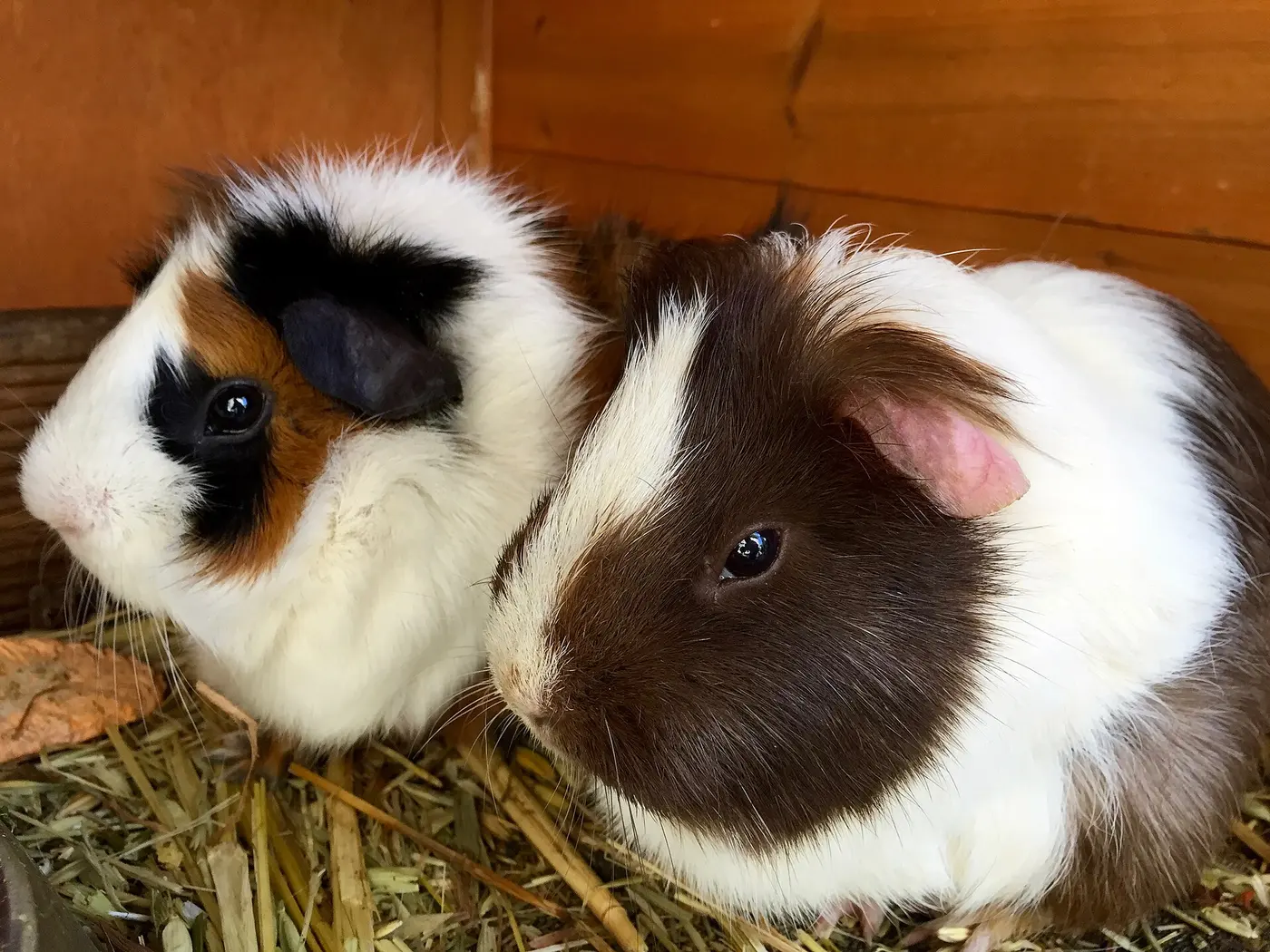
Dry air seems to play a part as well. In 2007, a team in New York used guinea pigs to study how easily influenza virus spreads. Across 20 experiments at relative humidities from 20 to 80 percent and temperatures of 5, 20 and 30°C (41, 68 and 86°F), cold, dry conditions favored transmission, and at 80 percent humidity the virus did not spread. At 5°C, infected animals kept shedding virus at peak levels for about 40 hours longer than at 20°C.
So getting chilled cannot give you a cold by itself. But cold and dry air may tilt the balance, helping the viruses on one side and weakening our defenses on the other. Washing your hands, letting in fresh air, keeping indoor air from getting too dry and not letting your nose and throat get too cold all seem like sensible habits.