Why does cold weather make you need to pee?
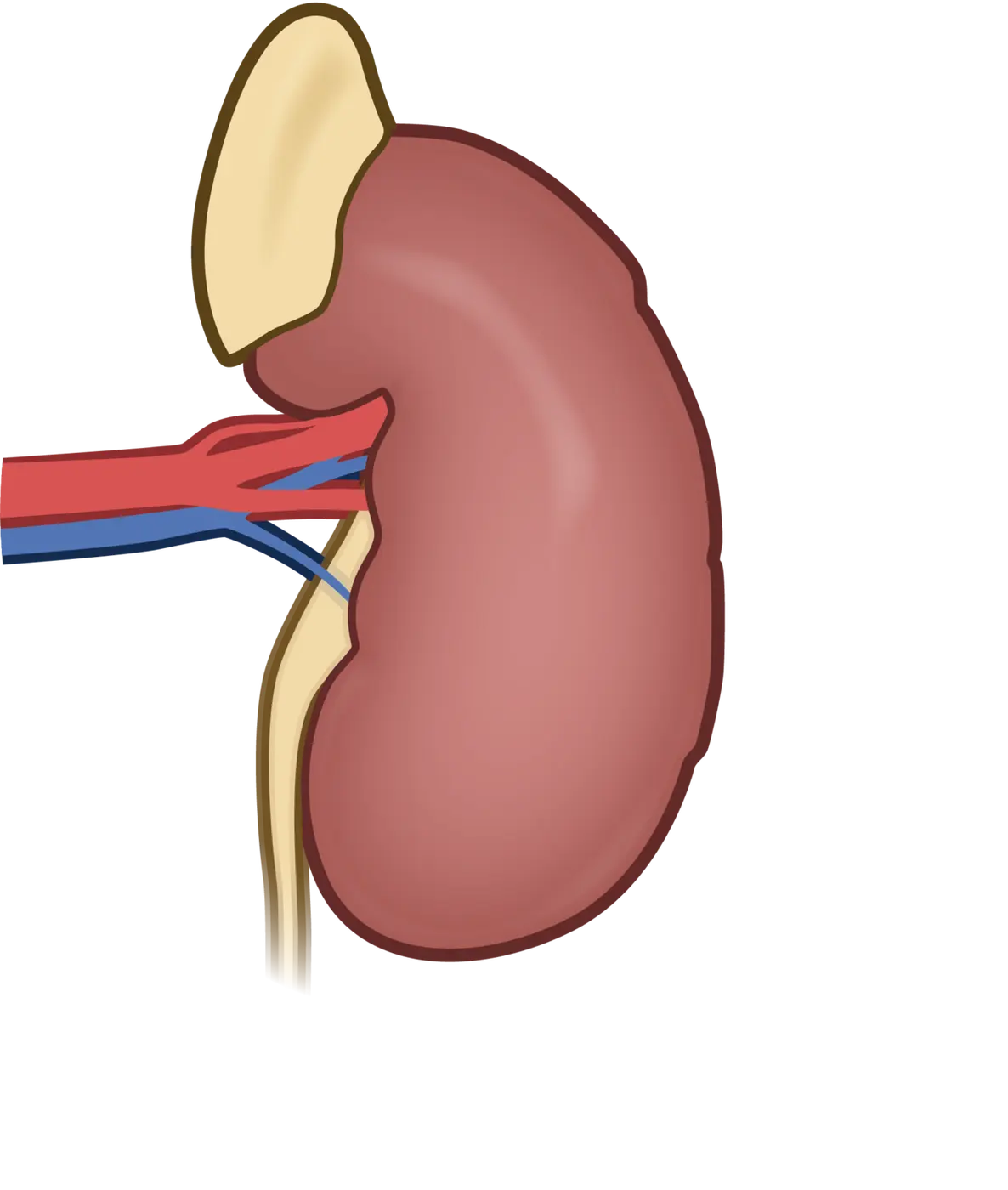
Cold pushes blood toward the core of the body, and the kidneys respond by making more urine. Chilled skin can also set off the bladder.
You climb out of a warm bed on a winter morning and head straight for the bathroom. You wait for a friend outside in the cold and, though you went only a little while ago, the urge is back. Plenty of people notice that they need to pee more often when it is cold.
You haven’t been drinking any more than usual, so why? The answer lies in the way the body protects itself from the cold, and in a bladder that turns out to be surprisingly sensitive to temperature.
Blood heads for the core
When you get cold, the first thing your body does to hold on to heat is narrow the blood vessels in your skin, hands and feet. That is why your fingertips go pale and cold in winter. The blood that was flowing near the surface has to go somewhere, so more of it ends up in the core of the body, in the chest and abdomen.
The body then reacts almost as if it had too much fluid. Blood pressure rises, and levels of antidiuretic hormone (vasopressin), which normally tells the kidneys to hold on to water, may fall. The result, it is thought, is that the kidneys make more urine. This is called cold-induced diuresis.
The effect has been noticed for a long time. As early as 1764, a report described an increase in urine after cold-water bathing. Yet researchers still disagree about the details, such as which hormones are involved. A 1996 review by scientists at the US Army Research Institute of Environmental Medicine concluded that the shift of fluid toward the core caused by narrowing blood vessels in the limbs is likely to be involved, while noting that the mechanism is disputed.
On top of that, you sweat less in winter. With less water leaving through the skin, a larger share of the water your body gets rid of goes out as urine, which is another reason the bathroom calls more often.

The bladder feels the cold too
Making more urine isn’t the whole story. The bladder, where urine is stored, seems to respond to cold as well.
A research team at Shinshu University in Japan found that when rats were moved from a room at 27°C (81°F) to one at 4°C (39°F), they urinated at shorter intervals and their bladders held less before emptying. A temperature sensor in the skin and elsewhere called TRPM8, which switches on below about 25 to 28°C (77 to 82°F), appears to play an important part. TRPM8 is the same sensor that picks up the cooling sensation of menthol, the compound behind mint’s chill.
In 2015, a team at KU Leuven in Belgium reported that a brief puff of cool air on the skin of anesthetized mice and rats was enough to make their bladders contract and empty. In mice genetically engineered to lack TRPM8, the response was much weaker. The researchers suggested that the sudden urge to pee when you touch something cold is not a learned habit but a reflex shared widely among animals. Rodent bladders work differently from ours, though, so the results cannot simply be applied to people.
Winter is no time to skip drinks
Since cold sends you to the bathroom, you might be tempted to drink less. But cold also blunts thirst. The 1996 review describes observations of people working outdoors in the cold who didn’t mention being thirsty until they were brought inside and warmed up. It also notes that people in cold places often cut back on fluids so they won’t have to get up and leave a warm bed to urinate at night.
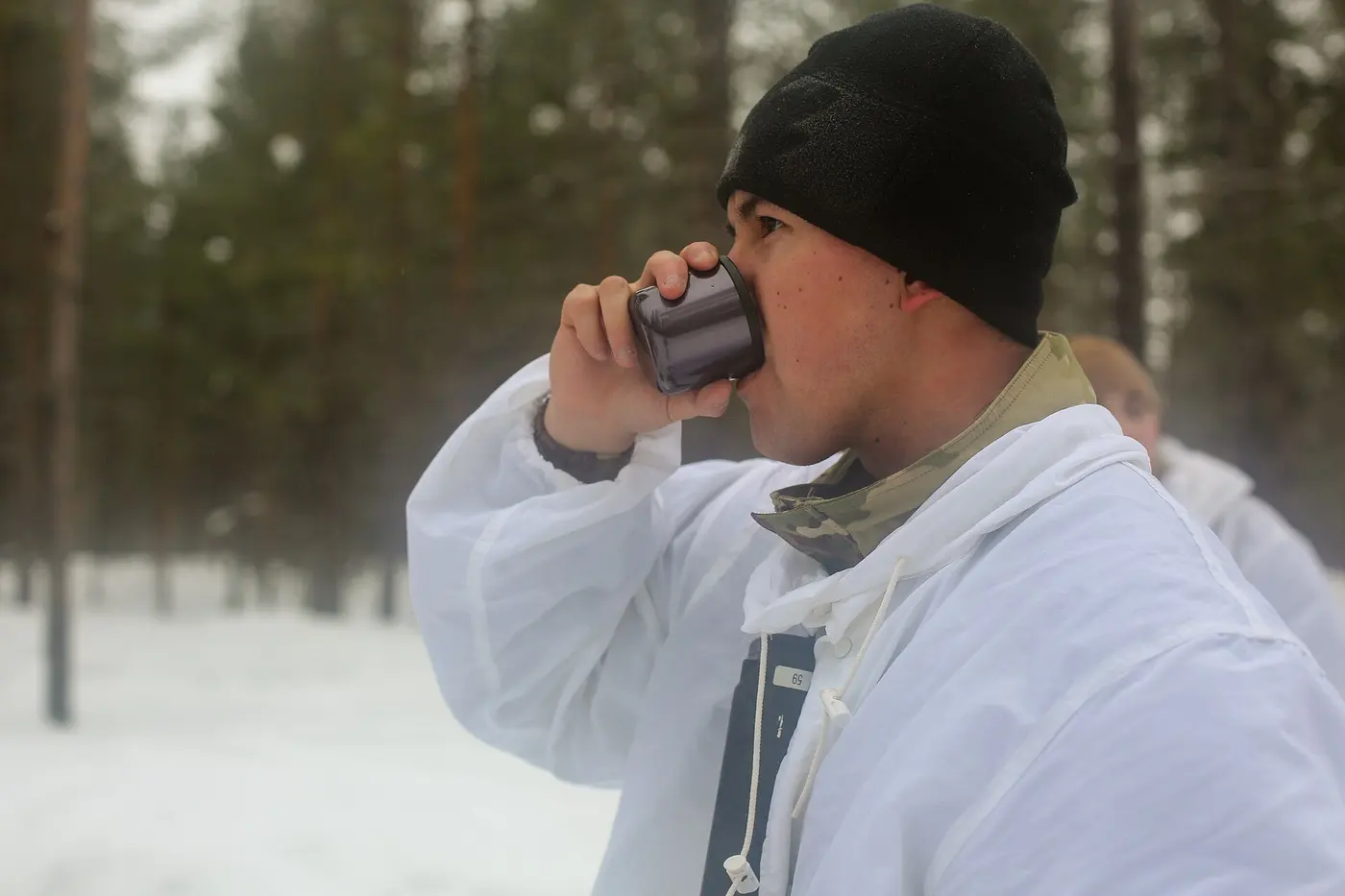

Losing more water as urine while drinking less can quietly leave you short of fluid. It makes sense to sip regularly, perhaps something warm, even if you don’t feel thirsty. And if cold skin really does stir up the bladder, keeping your feet and lower body warm may help too.
That said, if you are going so often that it gets in the way of daily life, or if it hurts to urinate or there is blood in your urine, something other than the cold may be to blame. It is worth seeing a doctor sooner rather than later.