Does “Wi-Fi” actually mean anything?
Not really. It is a name a branding firm coined to echo “hi-fi,” and it is not short for anything.
Cafés, train stations, hotels: hardly a day goes by without a sign announcing “Wi-Fi available.” For anyone with a smartphone or laptop, Wi-Fi has become as basic a utility as running water or electricity.
So what does “Wi-Fi” stand for? Plenty of people would answer “wireless fidelity.” That answer is, in fact, only half right at best.
The unwieldy “IEEE 802.11b”
Wi-Fi is a wireless LAN technology, a way of exchanging data over radio waves. Its standards are set by the IEEE, an engineering organization headquartered in the United States. The first standard, IEEE 802.11, came out in 1997, and in September 1999 came IEEE 802.11b, with a top speed of 11 megabits per second.
At the time, though, equipment from different manufacturers often failed to work together. So in 1999, companies including 3Com, Lucent Technologies and Nokia formed an industry group to test whether products from different makers could connect properly, and to certify those that could.
But “IEEE 802.11b compliant” was never going to stick in anyone’s mind. The technology needed a friendlier name.
A play on “hi-fi”
The job of naming it went to Interbrand, a branding consultancy. “Wi-Fi” was chosen from a list of ten names the firm proposed.
The name was designed to echo “hi-fi,” a familiar term from the world of audio. Hi-fi is short for “high fidelity,” meaning sound equipment that reproduces the original sound faithfully and with high quality. By borrowing that ring, the hope was that people would assume this wireless technology was high quality too.

“Wireless fidelity” came later
Where did “wireless fidelity” come from, then? After the name was chosen, the group used the advertising slogan “The Standard for Wireless Fidelity” for a while. The phrase caught on, and the idea that Wi-Fi is short for “wireless fidelity” took root.
Phil Belanger, one of the group’s founding members, has explained that Wi-Fi is not an abbreviation and that the word itself has no particular meaning. The slogan was simply tacked on after the name already existed. Between the naming idea borrowed from “hi-fi” and the insistence that it stands for nothing, the conclusion is the same: Wi-Fi is not an abbreviation with a hidden meaning.

A name that spread a technology
In 2002, the industry group renamed itself the Wi-Fi Alliance. Today, products that pass its tests can carry the “Wi-Fi Certified” label.
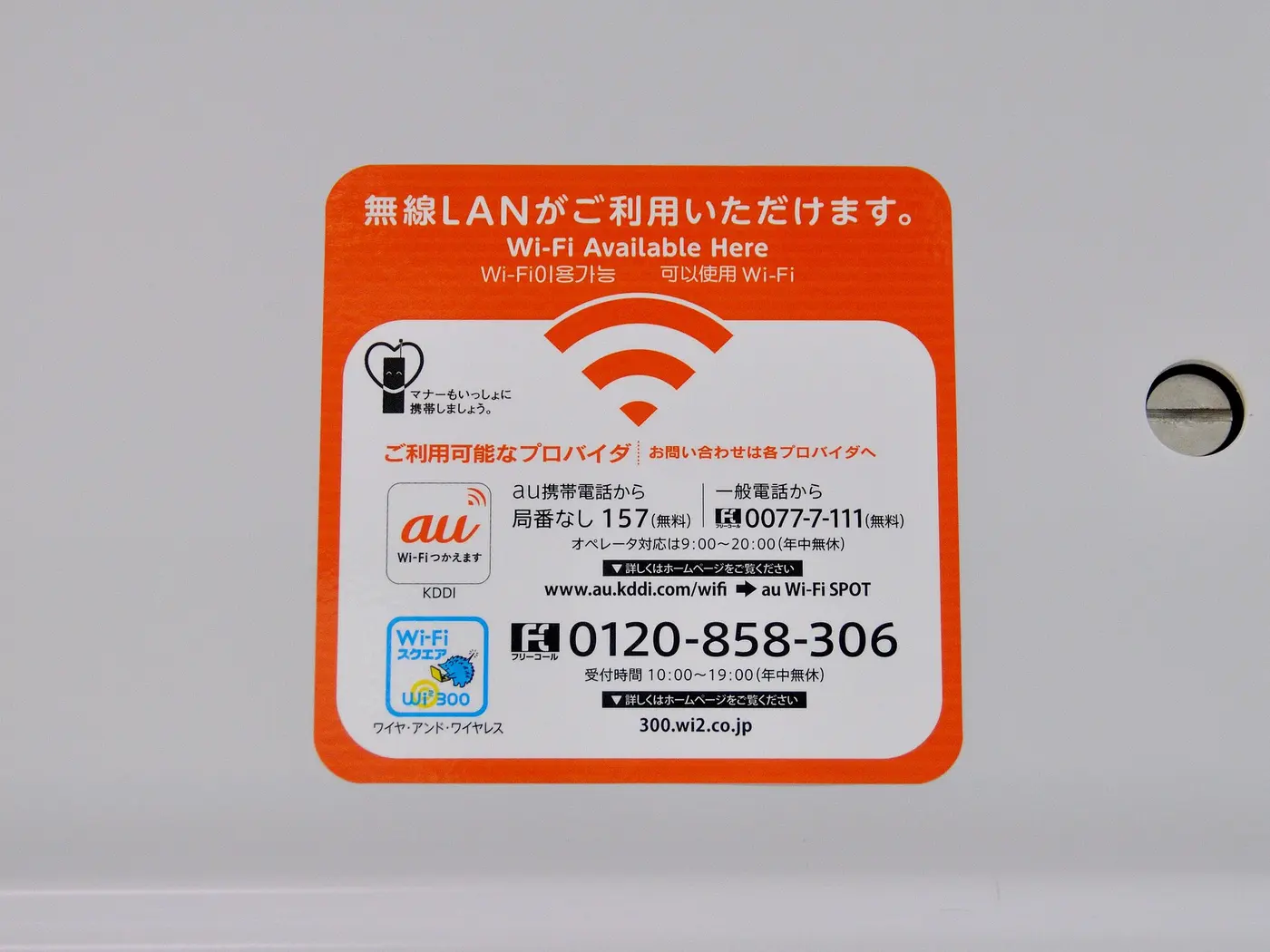
The catchy name made a big difference, and “Wi-Fi” spread around the world as the everyday word for wireless LAN itself. In Japan, signs in stations and shops began to show “Wi-Fi” alongside the older term “musen LAN” (wireless LAN), and today “Wi-Fi” is by far the more familiar of the two. In 2018, the Wi-Fi Alliance also overhauled how the standards are named, switching to generation numbers so that, for example, IEEE 802.11ax became “Wi-Fi 6.” A short name with no meaning made a complicated technology feel approachable to everyone.