Does the Japanese word “saboru” come from French?
Yes. It is a verb made from a shortened form of the French “sabotage,” coined in Japan’s Taishō era.
1919
“I sabotta class today.” In Japanese, “saboru (サボる),” meaning to skip school or slack off at work, is a word that just about everyone, from children to adults, has used at some point. It is often written in hiragana as さぼる, the script used for native Japanese words, so some people may even assume it has been part of the language forever.
In fact, “saboru” has a rather unusual origin: it was made by taking a foreign word and tacking on -ru, a typical Japanese verb ending. The source was the French word sabotage. And that word originally referred to a tactic in workers’ struggles.
“Sabotage” began as a labor tactic
Sabotage is a tactic in which workers deliberately slow down or do sloppy work to put pressure on management. In Japanese it is translated as taigyō (怠業), “work slowdown.” Unlike a strike, in which work stops completely, its defining feature is that workers stay on the job while lowering the quality or quantity of what they produce.
Sabotage in this sense first appears in writing in late 19th-century France. In 1897, at a congress in Toulouse of the CGT (General Confederation of Labor), the national federation of trade unions, the anarchist Émile Pouget and others submitted a report recommending the tactic. The French word sabotage is said to have been chosen as the equivalent of “ca’ canny,” a slogan meaning “go slow” used by workers in Britain.
Did workers really wreck machines with wooden shoes?
Sabotage comes from sabot, the French word for a wooden shoe. Hence a story that is often told: “Angry workers threw their wooden shoes into the machines to break them, and that is why destruction and obstruction came to be called sabotage.”
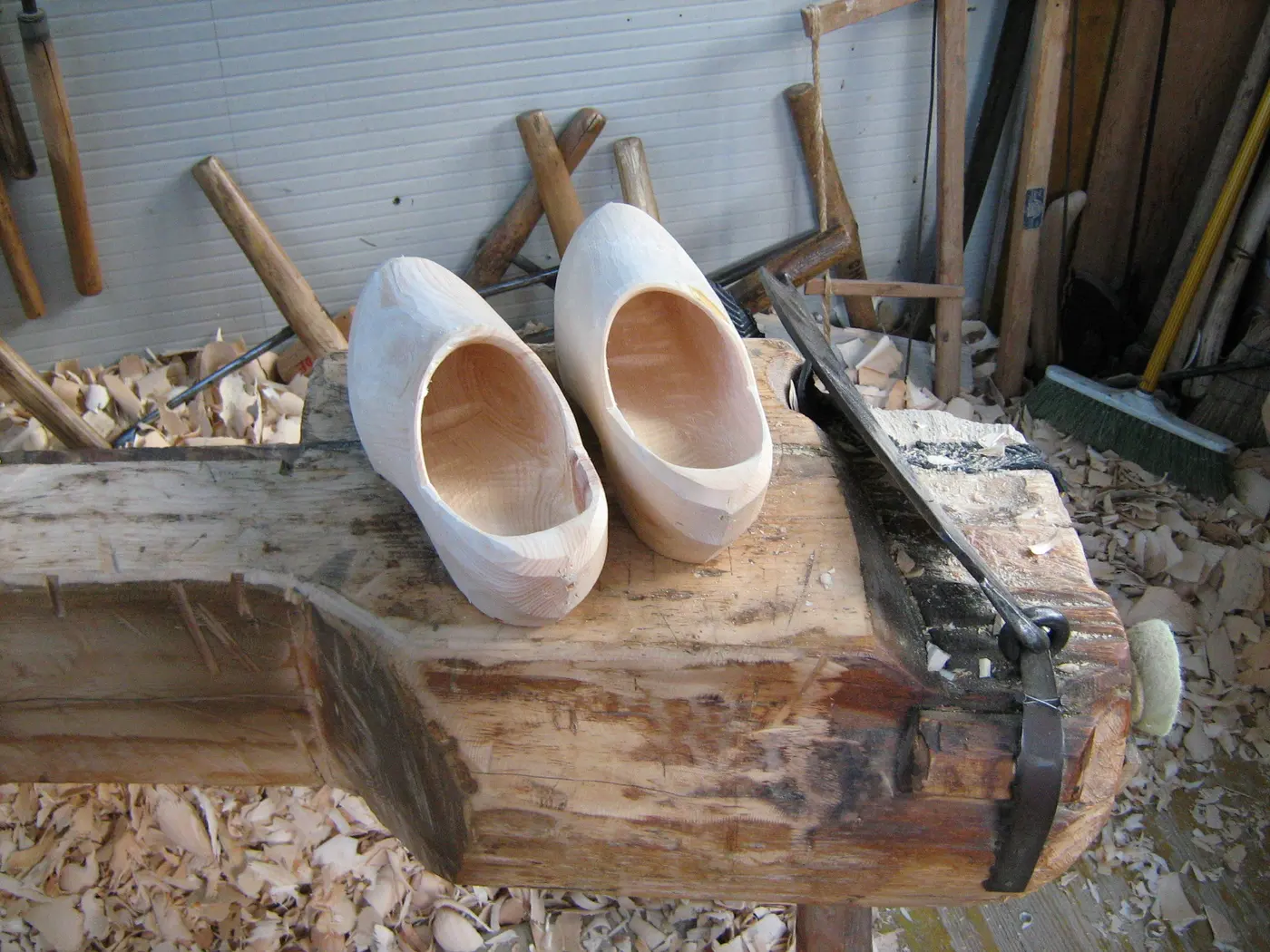

It is a vivid image, but no record has been found showing that wooden shoes were actually thrown into machines. Among etymologists in the English-speaking world, the prevailing view is that the story is an explanation invented after the fact.
So how are wooden shoes connected with doing a poor job? The French verb saboter originally meant “to clatter about in wooden shoes,” and from there it came to mean “to do careless work” or “to botch.” Behind that, some think, lay a prejudice that country people in clogs were clumsy. The labor movement then adopted this idea of bad work, turning “doing a poor job on purpose” into a means of protest.
That said, explanations in Japanese often still present the machine-wrecking story, so it is fairest to say that accounts of the word’s origin differ.
From a Kobe shipyard to a buzzword
What made the word suddenly spread in Japan was a labor dispute in 1919 (the eighth year of the Taishō era, 1912–1926) at the Kawasaki Shipyard in Kobe. That September, workers demanding higher pay and other improvements chose not to strike but to stay at their posts and slow the pace of work.
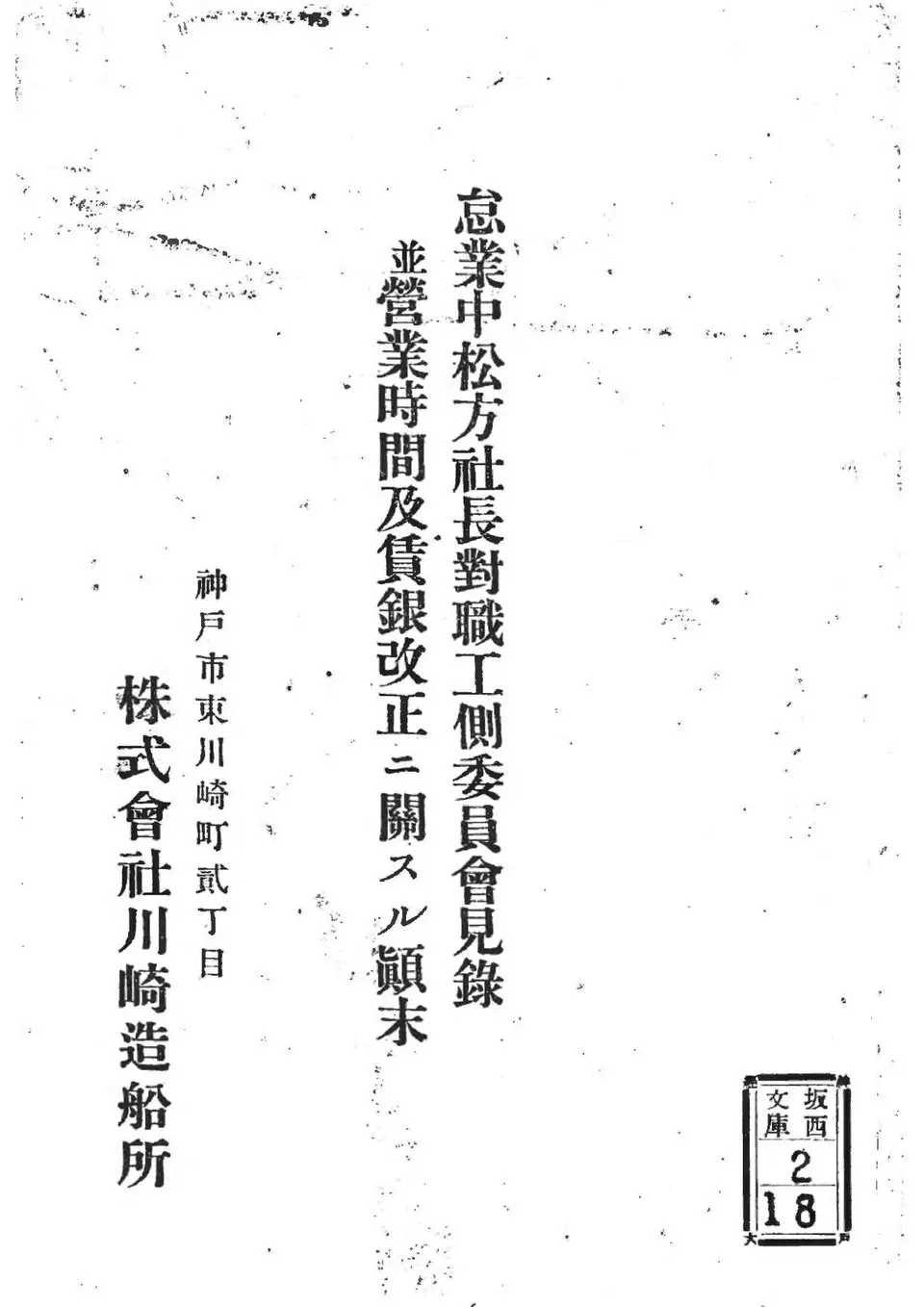
Newspapers reported the tactic as “sabotage,” and the dispute was settled when the company announced an eight-hour working day. It is still remembered as Japan’s first eight-hour workday. The following year, 1920, the journalist Yoriyuki Murashima even published a book titled simply Sabotāju. And so an unfamiliar foreign word became a buzzword of the Taishō era.
From “sabo” to “saboru”
Once it had caught on, sabotāju was soon shortened to sabo, and then the ending -ru was added to make the verb saboru. Along the way its meaning grew lighter, shifting from a tactic in labor disputes to a word for an individual slacking off at work or skipping class.
Turning a foreign word into a verb by adding -ru is common in Japanese today, as in daburu (to overlap, from “double”), misuru (to mess up, from “miss”) and hamoru (to harmonize). “Saboru” is one of the earliest examples. In French and English, meanwhile, sabotage now mainly means deliberate destruction or obstruction. That the same word grew into “to slack off” in Japan and “to wreck” in the West is a fascinating parting of the ways.