Was the word “quiz” really invented for a bet?
The bet story is most likely made up. “Quiz” was in use before the supposed wager, and its origin is unknown.
TV quiz shows, pop quizzes at school, trivia apps on your phone: kuizu (クイズ) is a thoroughly familiar word in Japanese, too. It comes from the English “quiz,” and there is a very famous story about how that word was born.
The story says it began with one man’s bet. A word invented just to win a wager: could that really happen?
A Dublin theater manager’s wager
The setting is Dublin, the Irish capital, in 1791. Richard Daly, a theater manager, made a bet with his friends: “I can make a brand-new word with no meaning spread across the whole city in no time.” The deadline is variously given as 24 or 48 hours.
Daly rounded up his theater staff and the city’s street children and, overnight, had them chalk “QUIZ” on every wall in town. The next morning, Dubliners puzzled over the mysterious four letters and kept asking one another, “What’s a quiz?” Daly won his bet, and the word “quiz” was born. Or so the story goes.
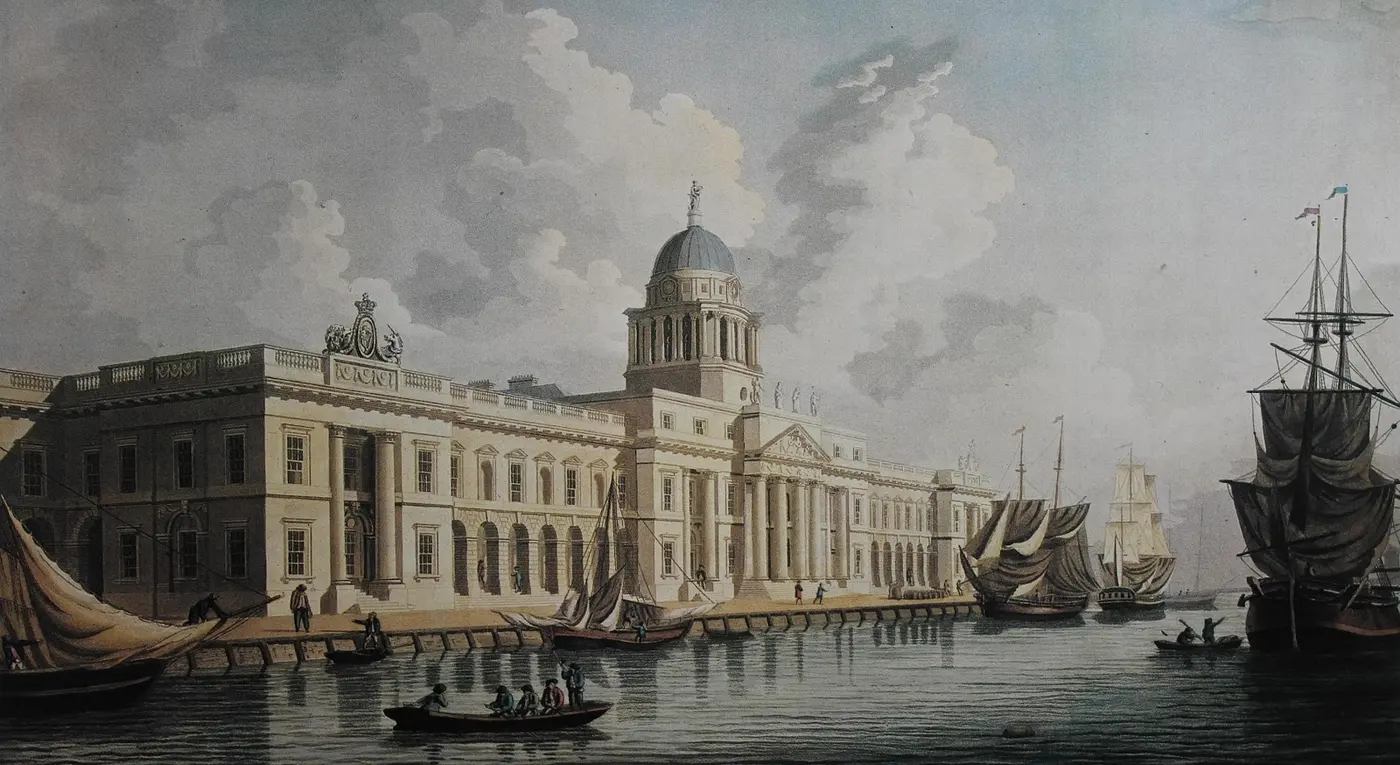

It is a wonderfully satisfying tale, and it still gets presented as the origin of the word. But it has a big problem.
“Quiz” was around before the bet
The decisive point is that “quiz” was already in use before the year Daly supposedly made his bet.
The word appears in an entry dated June 1782 in the diary of the English writer Fanny Burney. The Oxford English Dictionary also gives 1782 as its earliest example. It has further been pointed out that an Irish newspaper printed a poem using “quiz” about two months before August 1791, when the wager was said to have taken place. In other words, by the time of the bet, the word had been in use for close to ten years at least.
What’s more, the bet story only shows up in print in the 19th century, more than 40 years after the supposed event. It is thought to be an etymology legend created after the fact.
It once meant an oddball
So what did “quiz” originally mean?
In the late 18th century, a “quiz” was an eccentric or odd-looking person. The word could also mean a joke or a piece of teasing. It appears to have been slang used by young people and students of the day.
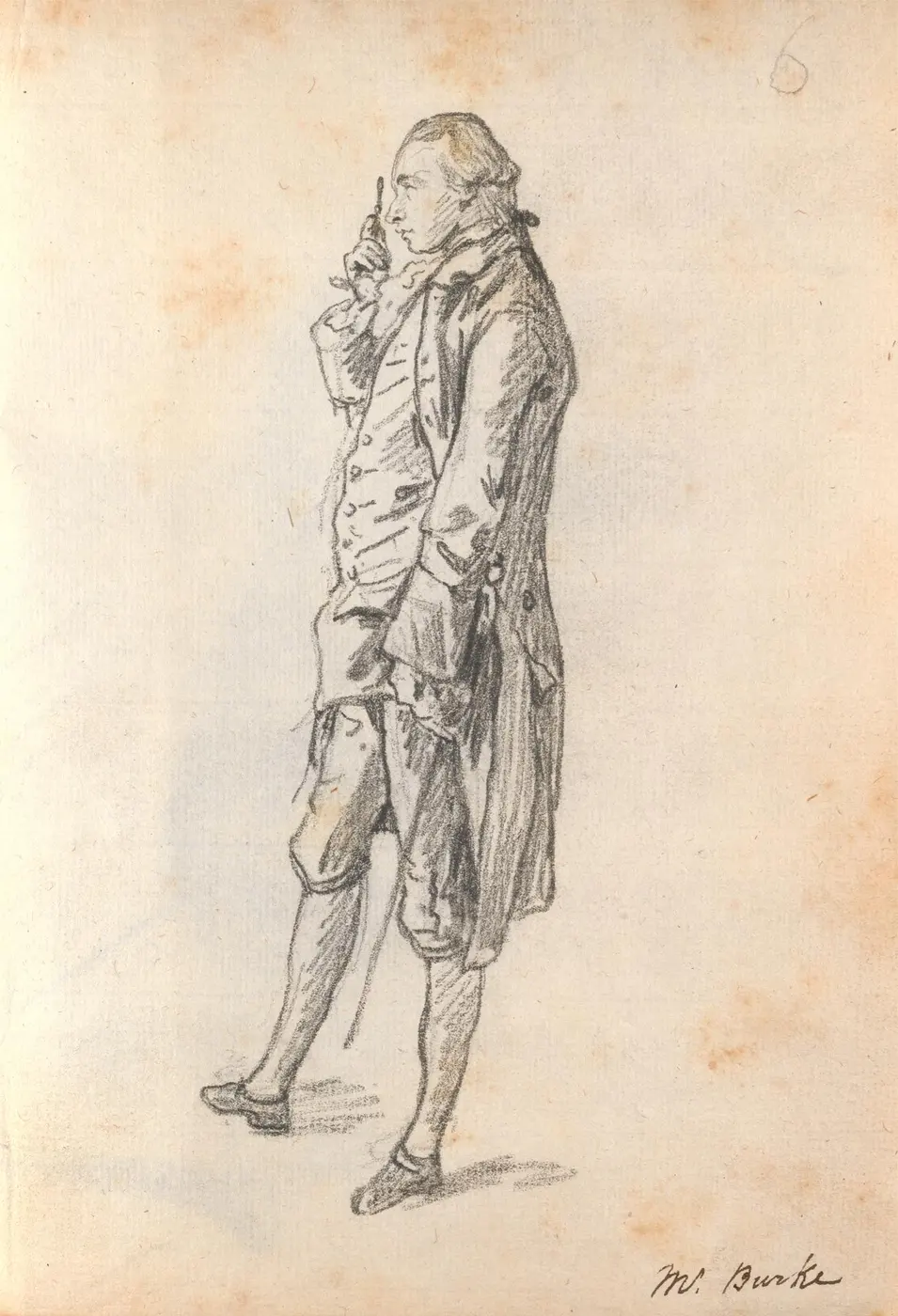

In the 19th century, it also came to mean “to stare at” or “to question closely.” Some suggest it was pulled in that direction by the sound of words like “question” and “inquisitive.” It was in the 19th century, too, that monocles came to be called “quizzing glasses”: eyeglasses for staring at people, or quizzing them. Then, in the United States in the second half of the 19th century, the modern meaning of a short test or oral examination emerged.
As for the word’s ultimate origin, there are theories such as one tracing it to the Latin “qui es?” (“who are you?”), but none is conclusive, and the etymology is still listed as unknown.
In Japan, it arrived with postwar radio
The word kuizu spread in Japan after World War II. In December 1946 the NHK radio program Hanashi no Izumi (Fountain of Talk) began, followed in November 1947 by Nijū no Tobira (Twenty Doors), and both became hits. Each was produced under the guidance of the Allied occupation authorities, modeled on American quiz shows.
At first, the word ate-mono, a guessing game, was sometimes used to translate “quiz,” but from around 1951 the katakana kuizu is said to have taken hold.